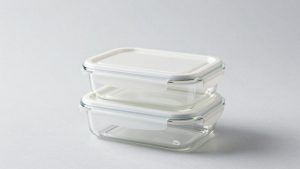
Choose 1 cup glass containers with lids with simple press-on tops for fridge snacks and small leftovers. For dressing or sauces that travel, look for a model explicitly rated leakproof and leave room below the rim. If you need to pack a full measured cup plus toppings, move up a size so the lid can close cleanly.
What to check on 1 cup glass containers with lids
Start with the capacity of each dish, then check the usable space once the lid is on. A small contaier can be just right for salsa or a snack portion but awkward for a full cup of food you need to stir. Check the bundle count and exterior dimensions before comparing two sets.
How much food fits under the lid?
One U.S. cup is 8 fluid ounces by volume. That conversion helps you compare listings, but it tells you little about clearance under the lid. If you portion a full measured cup of oatmeal or yogurt and add toppings, look for a larger dish with enough room to close and stir comfortably.
For a container you already own, pour in water from a liquid measuring cup and see how much clearance remains before the lid touches the water. This checks usable volume at home. It cannot tell you whether the container will seal when tipped or whether it has enough headspace for freezing.
How many dishes come in the set?
Count glass dishes with matching lids before comparing pack sizes. A seller may call four dishes and four lids an eight-piece set. In a mixed-size pack, count only the dishes that match the capacity you need, especially if you plan to fill several identical portions on the same day.
For example, Walmart lists the Anchor Hocking 1-cup round set as four glass dishes with four lids. Use the same counting method on any mixed bundle. A set with several larger dishes can still be a good buy if you need those sizes, but it may leave you short of containers for your weekly snack prep.
Match the lid to how you carry and clean it
Choose a lid based on what happens between filling the dish and washing it. A press-on lid can work well for a container that stays upright on a fridge shelf. If the dish spends a commute sideways inside a tote, the relevant feature is a leakproof claim for that exact model and lid.
| Use | What to prioritize | Trade-off |
|---|---|---|
| Fridge snacks and leftover sides | Easy-opening press-on lid and a stable stack | Keep wet contents upright |
| Dressing or sauce in a lunch bag | Explicit leakproof rating and an easy-to-inspect seal | Gaskets and latches can take extra cleaning |
| Sauces or broth in the freezer | Freezer rating for both parts and room for expansion | A full one-cup portion may need a larger dish |
| Reheating a small portion | Microwave directions for the glass base and lid | The lid may need to be removed or vented |
When are leakproof 1 cup glass containers with lids worth it?
Pay for a leakproof design when you regularly pack thin liquids and the container can tip during travel. Check whether the manufacturer specifically covers leaks with the lid fully engaged. Locking tabs describe how a lid closes, while an airtight claim describes its seal against air.
Once you have a model intended for transport, check its seal with cool water over a sink before packing it. Close it according to the instructions and inspect the rim for drips as you tip it. This is a fit check for your container. Repeat it if the lid warps or the gasket starts sitting unevenly. If you carry mostly dry snacks, prioritize a lid you can open comfortably and wash quickly.
Can you replace a lid without buying another set?
Look for a matching lid by model or part number, especially if you are buying several sets for weekly prep. Equal capacity and a similar round shape still leave room for differences in rim diameter and shape. Check the dish model, the lid model, and whether the part is sold separately.
Pyrex, for example, identifies its blue replacement lid for compatible 1-cup round Simply Store dishes. That pairing illustrates what a useful compatibility listing looks like. Check the part’s availability before you count on a replacement, and confirm what comes in the original package.
Plan for freezer space and reheating
Read the care instructions for the glass and lid separately. A freezer rating helps you choose a dish for make-ahead portions, while a microwave rating tells you how the manufacturer allows it to be reheated. Check the exact product instructions for transitions between cold and hot conditions.
How should you portion food for the freezer?
For liquids such as stock, leave headspace according to the manufacturer’s directions. If the amount you want to freeze brings the liquid close to the rim, pick a larger freezer-rated container. For small portions, measure the shelf height with the lid on so the set fits where you plan to stack it.
Measure the footprint at the widest point, including any protruding tabs. A container that nests when empty can still take up substantial room when every dish is full and closed. If you already use a freezer bin, compare its inside dimensions with the outer dimensions of a loaded stack.
What should you check before microwaving?
Read the lid instructions even when the base is microwave-safe. Some lids must be removed and others can be used with a vent or a gap. Check the directions before reheating straight from cold storage, and use the model’s instructions for handling hot glass and placing it on a suitable surface.
Snapware’s instructions for its Total Solution Pyrex glass line warn against sudden temperature changes and placing hot glass on wet or cool surfaces. Use a dry trivet or the surface specified by the manufacturer. If the bowl chips or cracks, check the product’s care guidance and retire it from food use.
Compare cost per usable container
Divide the delivered price by the number of dishes you expect to use with matching lids. Include tax and shipping when you know them, and compare sets on the same basis. A bigger assortment makes sense if the other sizes earn their shelf space in your kitchen and fit your prep routine.
A hypothetical $12 set with four usable bowls costs $3 per bowl before tax or shipping. A hypothetical $15 assortment with only two bowls in the size you need costs $7.50 per relevant bowl if you assign the other sizes no value. Pay more when a verified seal, a compatible replacement lid, or a better fit for your freezer solves a problem you actually have.
Conclusion
Buy a same-size set for repeat snack or side portions, and put your money toward a verified leakproof closure if you carry liquids. Check the bundle contents, lid care directions, and exterior dimensions before ordering. If a full measured cup crowds the lid, buy the next size up.
More from Amazon
Programs that pair well with the guide above. Offers and eligibility are set by Amazon and may change.
Set up recurring deliveries of everyday items on eligible products. Terms and savings are set by Amazon.
Explore Subscribe & SaveCollect the home and kitchen items you want in one registry that guests can shop from.
Create a wedding registryFree shipping on eligible items, Prime Video and more. Eligible new members can start with a free trial.
Start a Prime free trialAudiobooks and podcasts to listen to on the go. Eligible new members can start with a free trial.
Try Audible freeAs an Amazon Associate we earn from qualifying purchases.