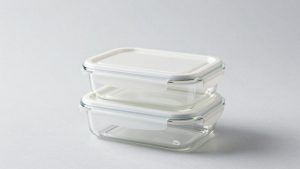
Choose 1 cup glass food storage containers for snack portions, side dishes, and small leftovers. Check how much food fits below the lid and count how many bowls in the set are actually 1 cup. For sauces carried in a bag, look for an explicit leakproof claim. Size up if you need room for a full measured cup plus toppings.
When 1 cup glass food storage containers make sense
A one-cup dish is most useful when you serve the contents as a small side or add them to a meal packed separately. Think chopped fruit, a serving of hummus, or cooked vegetables left over from dinner. The right shape and lid depend on whether you eat straight from the dish, pour from it, or stack several at once.
| What you store | What to look for | What can change your choice |
|---|---|---|
| Berries, nuts, or cut vegetables | A wide opening and a lid that opens easily | Bulky pieces can reach the lid before you use the full nominal capacity |
| Yogurt with toppings | A bowl wide enough for a spoon | If you pack the toppings together, allow extra room to stir |
| Salsa, dressing, or sauce for travel | An explicit leakproof claim for the complete container | A smaller vessel can be easier to pour from when you carry only a few tablespoons |
| Cooked sides for later in the week | Identical bowls with lids that stack securely | Your portions may fit better in a shallow dish with a wider base |
| Frozen meal components | Freezer approval and room above the food | For frequent batch prep, compare how much shelf space the glass takes up |
Measure usable space in 1 cup glass food storage containers
One U.S. cup equals 8 fluid ounces by volume. The advertised capacity describes the size class, while usable capacity depends on the bowl profile, the underside of the lid, and the room you need above the food. A bowl that holds a cup of water near the rim may feel cramped with a cup of chunky fruit.
Start by measuring the portion you actually pack. For yogurt and granola, put the yogurt in a measuring cup, add the amount of granola you typically use, and look at the space the combination takes up. Account for stirring if you plan to eat from the bowl. A dish that closes over the ingredients may still be too small to mix them comfortably with a spoon. If you serve the granola separately, you can allocate the entire bowl to the yogurt and choose a much smaller container for the topping.
With a bowl you already own, pour in a measured cup of room-temperature water while it sits level on the counter. Look at the distance between the water and where the lid sits. Then try your usual food and close the lid upright. Pay attention to protruding pieces and whether food touches the sealing surface. Treat the water check as a way to estimate headroom, and use the food check to decide whether the bowl suits the job. For measured servings, portion the food with a measuring cup or scale as the recipe requires and use the glass bowl to store it.
Choose a shape that works with your food
A wide bowl gives a spoon a shallower path into the corners and makes it easier to see how much food is left. A taller cup takes up less shelf width at a given volume but may be awkward to scoop from. Compare the outside dimensions for storage and the opening for filling, eating, and washing.
Round dishes make sense for foods you scoop, such as cottage cheese or mashed sweet potatoes, because a spoon can follow the curve. Square or rectangular bowls are worth a look if you want rows of containers on a shelf. Measure across the lids or latches at their widest point. A bowl can fit into a lunch bag on its own while the lid tabs catch at the opening or keep a second container from sitting beside it.
Depth matters when leftovers are chunky. A shallow, wide dish can spread out chopped vegetables so you can close the lid without pushing pieces down. A narrow, deeper vessel may suit liquids you pour, especially if it has an opening you can aim over a plate. If you dress salads at work, compare a small sauce cup with a full one-cup bowl. The sauce cup can free up room in the bag and is easier to hold while pouring, provided its lid is intended for transport.
Use a different size for full servings and small extras
The one-cup size is useful enough to buy in multiples when it fits a repeated task. A half-cup size can be more convenient for dips, and the next size up may handle a measured serving with room to mix. Choosing around the food you pack most often gives you a better basis for buying than the total number of pieces in the box.
A household packing five portions of cooked grains might use five matching small bowls each week. Someone who only saves the occasional spoonful of pesto could get more use from one small bowl and put the rest of the budget into larger sizes. Think about when the bowls return to the kitchen. If two tend to stay at work until Friday, factor those two into the number you need at home. If you wash and repack every evening, fewer bowls may cover the same number of lunches.
Pick a lid for the way you carry and wash it
A fridge lid needs to close easily and stay seated when the dish is moved. A lid for commuting has to suit the contents and the angles it may encounter in a bag. Check what the manufacturer says about the exact bowl and lid combination, then look at how much effort it takes to clean the sealing surfaces.
Match the closure to upright storage or travel
Press-on lids are convenient for bowls that sit upright in the fridge. A gasket and latches may be worth the extra cleaning for foods you carry in a lunch bag. Look for a written leakproof claim for the version you are buying, since photos of a closed lid leave its intended use and any restrictions unclear.
If a dish mostly holds berries or nuts, test how easily you can close the lid around the entire rim. Some shoppers prefer a corner or tab they can get a finger under. If you need to open a jar of dressing at a desk, consider whether the lid releases smoothly when you hold the container steady with your other hand. A tight lid on a tiny bowl can require more effort than you expect, especially if the bowl is too small to grip securely from the sides.
Check the care instructions before testing a new container advertised as leakproof. With cool water, leave headroom, clean the rim, and close the lid as instructed. Over a sink, gently tip the dish toward each side and see if water appears around the seal. Use the check to catch an uneven closure or a gasket that needs reseating before packing lunch. A short test covers only the conditions you tried. For a commute, keep the bowl upright where practical and give glass a padded spot away from hard objects that could strike it.
Check how the seal comes apart and goes back together
A lid with a removable gasket can give you access to the channel beneath the seal. Follow the maker’s instructions for removal and reassembly so the gasket sits evenly. If you regularly pack oily sauces or thick dips, inspect the underside of the lid for recesses you will need to reach and dry after washing.
Look at the seal after a normal wash. A folded edge, a small crumb, or food on the glass rim can interfere with how the lid seats. If the gasket is designed to come out, note which side faces the bowl before removing it. Let the lid and seal dry before putting them back together. For a fixed seal, check whether you can reach the edges with a soft brush or sponge as allowed by the care instructions. A simpler lid may make more sense for storage at home when you open and wash several dishes every day.
Check how each part handles cold, heat, and washing
Treat the bowl and lid as two separate items when reading the care instructions. A glass base approved for the microwave or dishwasher can come with a lid that has different limits. Look up the instructions for the exact version if you intend to freeze portions, reheat them in the same bowl, or wash the full set by machine.
Leave room for freezing and plan the thaw
Choose a freezer-approved container if you want to store broth, soup, or cooked components for later. Leave space above liquids for expansion and follow the maker’s fill and temperature instructions. Consider how you will thaw each portion before buying enough containers to freeze an entire recipe.
Check whether the container has a fill line. If instructions give a freezer limit, use it when deciding how many dishes a batch requires. A recipe that yields four cups of broth may take more than four nominal one-cup dishes once you allow space for freezing. Label the contents and date on a surface you can see when the dishes are stacked. If you regularly take one portion at a time, arrange the stack so you can reach the oldest portions without unloading the shelf.
For refrigerated leftovers, package warm food into small, shallow containers and refrigerate promptly. CDC guidance puts the limit for perishable food at two hours, or one hour when exposed to temperatures above 90°F. Keep the refrigerator at 40°F or below. When handling food that is still very hot, check the glassware’s temperature instructions before filling it. Plan for both the food’s cooling needs and the container’s temperature limits.
Separate microwave, oven, and lid instructions
If you reheat sides in the storage bowl, look for microwave approval for the glass and check how the manufacturer says to handle the lid. If the lid needs to come off, plan on using a suitable microwave cover. Anyone who uses an oven or toaster oven should verify that appliance separately for the exact dish.
Avoid abrupt temperature changes as directed by the maker. For example, a freezer-approved bowl and a microwave-approved bowl can be the same product, while the instructions may still restrict moving it directly from one temperature extreme to another. If you habitually heat food straight from frozen, look for specific directions for that transition or transfer the thawed portion into suitable cookware. For reheating cooked leftovers, CDC recommends an internal temperature of 165°F. Check with a food thermometer and stir where practical to help distribute heat.
Think through where the bowl will sit when it comes out of the appliance. Use a suitable dry surface or trivet as directed by the maker. A shallow dish can also be easier to handle if you routinely use oven mitts, but check whether there is enough room to grasp its sides. If you rarely use a storage dish for heating, prioritize the fit, lid, and cleaning routine over additional heat-use claims.
Fit the dishes into your actual washing routine
Small bowls and lids can shift around a dishwasher rack or collect water if they sit flat. Check the maker’s rack instructions for each piece, and consider how the dishes will fit alongside your other items. If the lids are hand-wash only, account for that time before buying a large set for daily prep.
For frequent use, look for enough clearance between dishes in the dishwasher so the glass pieces avoid striking each other. With lids, think about how you will hold them in place and let water drain. When washing by hand, a wide opening makes it easier to reach the bottom with a sponge. Inspect the rim periodically, especially after a dish bumps the sink or counter. Follow the maker’s guidance for retiring damaged glass, and stop using a bowl with a chipped rim or visible crack.
Compare pack sizes, replacement lids, and cost
Shop by the number of complete dishes you will use at the size you need. Retailers may count lids as pieces, and mixed sets often put several sizes under a single product photo. Verify the written breakdown, then compare the cost of a uniform pack with a mixed set only if the other sizes have a place in your kitchen.
Count bowls and lids separately in each listing
Start with the pack contents and find the line that gives the number of one-cup bowls. Then check that the matching lids are included. A total piece count can describe several bowl-and-lid pairs in assorted sizes, while the main picture may make it difficult to tell the difference between a one-cup and a two-cup dish.
Anchor Hocking’s retail catalog illustrates the difference. Its 30-piece SnugFit set lists four one-cup round dishes with four lids alongside several larger dishes and two 6-ounce custard cups. That may work if you want storage for sides, sandwiches, and bigger leftovers in the same purchase. If you need five equal snack portions, the four one-cup bowls fall short even though the box contains other small pieces. A catalog example helps decode the package, while the exact seller listing determines what comes in the box you order.
Before comparing two sets, write down the count of complete one-cup pairs and the delivered cost you see at checkout. If you only need that size, divide the total by that count. For example, in an illustrative comparison, a set costing $20 with four usable pairs comes to $5 per pair, while a $24 set with six comes to $4. The smaller purchase can still make sense if you only have space for four or would leave two unused. If you need the larger dishes as well, compare the mixed set with the cost of buying all the useful sizes separately.
Verify replacement fit before paying for extras
A matching lid can extend the usefulness of a glass bowl that is still in good condition. Check the model identifier on the glass or the manufacturer’s compatibility list. Round lids from different families can look similar in a photo, and nominal capacity alone gives you too little information to confirm the fit.
For example, Pyrex lists replacement lid model 7202PC for its Simply Store one-cup round dish, SKU 1094505. The product specifications show a bowl about 4 inches across and 2 inches high. Use the model reference when shopping for a replacement, and check the item description to see whether the listing is for a bowl, a lid, or a complete set. If you already own several compatible bowls, pricing the replacement lids can be more useful than comparing new sets by piece count.
Before expanding a set, check how the dishes store both filled and empty. Measure a shelf with the lids on, especially if you put containers under a drawer or shelf lip. An empty nested stack can occupy much less space than the same dishes with lids fitted. If you store lids separately, set aside a spot where they can stand on edge or stay grouped by model. That makes the spare lid useful when you actually need it.
Frequently asked questions
The final decision often comes down to how the listing describes capacity and whether your everyday portion behaves like the one shown in the photos. Check the units, the usable headroom, and the dimensions of the assembled bowl before you commit to multiples for a specific lunch bag, drawer, or refrigerator shelf.
Is an 8-ounce glass container the same as a one-cup container?
Yes, if 8 ounces means U.S. fluid ounces of capacity. If the number refers to the weight of the glass or to the weight of the food, it measures something different. Look for a volume label such as 8 fl oz or 1 cup, then compare the shape and the usable room under the lid for the portion you plan to pack.
Fluid ounces and ounces by weight answer different questions. A recipe might call for a cup of chopped vegetables, while a meal plan could specify a certain weight of those vegetables. How finely you chop the pieces affects how they settle in the dish. For a weight-based portion, measure it on a scale and try it in the bowl you plan to use, with any toppings or sauces you typically add.
How many small glass dishes do you need for meal prep?
Count how many portions you expect to store at once and how often dishes come back to the kitchen. Five containers cover five separate sides only when each side fits and every dish has a lid. If some dishes stay at work or hold leftovers for several days, account for those before committing to a set size.
For example, prep three sides at a time if you typically cook twice a week and have room for only one short stack. If you cook once and pack a side and a dip for each lunch, count the two jobs separately. You may need five one-cup bowls and a set of smaller dip cups. Estimate the number for your busiest normal week, including a dish you may leave at work or reserve for a serving in the freezer. That gives you a pack size based on how the bowls circulate rather than how many pieces are pictured.
Conclusion
Buy enough matching one-cup bowls for the portions you routinely store. Verify the lid model, appliance instructions, and assembled dimensions before buying a set. Choose an explicitly leakproof version for sauces on the move, and size up when a full serving needs clearance for toppings, stirring, or freezing.
More from Amazon
Programs that pair well with the guide above. Offers and eligibility are set by Amazon and may change.
Set up recurring deliveries of everyday items on eligible products. Terms and savings are set by Amazon.
Explore Subscribe & SaveCollect the home and kitchen items you want in one registry that guests can shop from.
Create a wedding registryFree shipping on eligible items, Prime Video and more. Eligible new members can start with a free trial.
Start a Prime free trialAudiobooks and podcasts to listen to on the go. Eligible new members can start with a free trial.
Try Audible freeAs an Amazon Associate we earn from qualifying purchases.