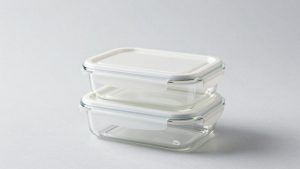
Choose 2 cup glass food storage containers for individual sides, snacks, or small portions of leftovers. A wide dish gives you room to scoop, while a lid rated leakproof is worth checking if you carry soup. If your meal already measures two cups before you add toppings or sauce, choose a larger dish with room to close and stir.
When 2 cup glass food storage containers make sense
Two U.S. cups equal 16 fluid ounces by volume. That makes this size easy to compare across listings, but a dish rated for two cups may feel crowded with a full portion and toppings. Decide how much you actually pack, how you will eat it, and whether anything needs to go in a separate container.
| What you pack | What to look for | When to change sizes |
|---|---|---|
| A side of rice or cooked vegetables | A wide opening and a lid that opens easily | Size up if you mix the side with a main dish in the same container |
| Yogurt or overnight oats | A bowl deep enough to stir without spilling | Size up if a full two-cup portion needs toppings |
| Soup or a saucy lunch | An explicit leakproof claim covering the exact lid | Size up if the recommended fill limit leaves too little room |
| A handful of nuts or a few tablespoons of dressing | A small dish that fits alongside your lunch | Size down if the portion takes up only a fraction of the dish |
| Crackers, sliced fruit, or a snack box | A low rectangle with usable interior length | Size up if fragile items need to sit in a single layer |
How to check usable space in 2 cup glass food storage containers
If you already own a similar dish, use a liquid measuring cup to add water in small increments. Look at the water level relative to the underside of the lid and any marked fill line. Stop at the level you would use for a real portion and write down how much water you added before shopping.
This check is especially helpful when a recipe is already portioned. Say your lunch includes a cup of rice, half a cup of vegetables, and a few pieces of chicken. A two-cup dish may work if the pieces lie flat. If you want to toss everything with dressing in the same bowl, extra room can matter more than whether the lid just manages to close.
Check product listings for capacity per dish. A set title might list several sizes or highlight the largest dish in a photograph. The item description or contents list should identify how many two-cup vessels are included. Treat fluid ounces as volume when comparing these listings. A serving that weighs 16 ounces can occupy a different volume depending on what it contains.
Choose a shape that fits the food and the shelf
Pick a shape based on what you need to fit inside and where the closed dish will sit. A round bowl is convenient for spooning oatmeal or stirring a side dish. A shallow rectangle can keep sliced fruit in a single layer and may fit better alongside an ice pack in a rectangular lunch bag.
Look at the measurements of the base and opening separately when you plan to pack foods that need to stay flat. A dish that appears wide at the rim may taper toward the bottom. If you already have a lunch bag, measure the space it leaves after you put in the things you always carry. Include the lid tabs in the dimensions you compare. A dish that fits an empty bag can be awkward to remove once there is a drink or ice pack beside it.
For the refrigerator, consider how you will reach the containers. A row of wide dishes can use up shelf depth quickly. Two shorter dishes stacked on stable lids may leave more room alongside them, provided you have space to lift the stack out. If you store dishes in a drawer, check the height with lids on and the height of the empty nested stack. Those are different measurements.
Match the lid to how you carry the container
A simple lid can be enough for leftovers that stay upright on a refrigerator shelf. Once the dish goes into a backpack with soup or dressing, the manufacturer’s claim for that exact lid matters more. Also check how the lid comes apart for cleaning and whether you can replace it if it wears out.
For fridge storage, start with a lid you can open easily
For cut fruit, rice, or other upright leftovers, look for a lid with a tab or edge that is easy to grip. Check whether you can steady the dish on a counter and peel back the lid without lifting the whole bowl. If you use several dishes at once, a single lid size can make putting food away faster.
A catalog example is Anchor Hocking’s 2 Cup Round Food Storage with TrueSeal lid in clear glass with a cherry lid. The manufacturer’s 2025 catalog shows the item moving from 91844L20 to 91844L24 and also lists two two-cup dishes in a mixed-size gift set. This is a useful example of why checking the contents matters. Buying an assorted bundle may leave you with fewer matching dishes than you need for a week of portions.
For wet lunches, read the seal claim closely
Look for a leakproof claim on the exact dish and lid you intend to buy, then read the conditions the manufacturer gives for carrying liquids. A gasket and locking tabs show how the lid closes. A documented claim for that combination gives you a better basis for deciding whether to pack soup in it.
If the gasket is removable, find out how it comes out and how it seats again. A removable seal can make the groove easier to clean after a spill or oily dressing, but it also gives you one more part to dry and reinstall. For a lid you use several times a week, check for replacement lids or gaskets by model number before buying a large set.
If the model is rated for liquid transport, you can check your own unit with cool water. Close it according to the instructions, dry the outside, and briefly tip it over a sink. Look along the edge and under the tabs for droplets. This gives you a way to catch a lid that was seated unevenly. Follow the manufacturer’s instructions for actual transport, including any restrictions on orientation or contents.
Check care instructions for the dish and lid
Start with the appliances you use most often, then check the instructions for each part. A dish you want for work lunches needs to fit the microwave at work. A dish you want for frozen portions needs explicit freezer guidance and enough room for any clearance the manufacturer tells you to leave.
If you reheat food in the dish, look up whether the lid must come off or can stay on in a specified position. For oven use, look for the manufacturer’s instructions on preheating, temperature limits, and moving the glass between cold storage and heat. For dishwasher use, check the rack guidance for the lid and any removable seal. Keep those details tied to the actual item in your cart, especially if a listing groups several lid styles on one page.
If you regularly portion one batch for several meals, choose the container based on your most demanding step. A dish that fits the refrigerator perfectly can still be a poor choice if it needs hand-washing every night or if the approved fill line leaves too little space for your usual portion. An extra dish can help when you stagger cooking and washing, but it will also need space in the cabinet between uses.
Compare the cost of complete containers
Count the glass dishes and their matching lids before you compare prices. A set advertised by piece count may include lids in the total, and only some of the dishes may hold two cups. Divide the delivered cost by the number of complete containers you will use for the job you are shopping for.
For example, if you want four matching bowls for weekday snacks, an assorted set with two two-cup bowls meets only half of that need. It may still be worthwhile if you also need the other sizes. If you already have larger dishes and mainly need snack portions, compare the delivered cost of four matching two-cup dishes, including any shipping charges shown at checkout.
If you are deciding where to spend extra, match the expense to your routine. A fridge-only dish benefits from easy opening and a shape that stores well. A container that regularly carries liquid deserves closer attention to its seal and replacement parts. If you are unsure which shape works, start with one dish and check your usual portion, lunch bag fit, and cleaning routine before ordering a set.
Conclusion
Choose a wide 2-cup dish for individual sides and leftovers, and check for a documented leakproof seal if it will carry liquids. Measure the closed dish against your shelf or lunch bag, and verify care instructions for both parts. Size up if your usual portion reaches the rim or needs room to mix.
More from Amazon
Programs that pair well with the guide above. Offers and eligibility are set by Amazon and may change.
Set up recurring deliveries of everyday items on eligible products. Terms and savings are set by Amazon.
Explore Subscribe & SaveCollect the home and kitchen items you want in one registry that guests can shop from.
Create a wedding registryFree shipping on eligible items, Prime Video and more. Eligible new members can start with a free trial.
Start a Prime free trialAudiobooks and podcasts to listen to on the go. Eligible new members can start with a free trial.
Try Audible freeAs an Amazon Associate we earn from qualifying purchases.