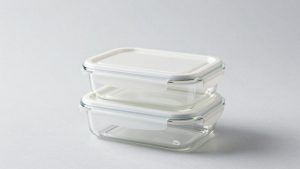
Choose 3 cup glass food storage containers for a single lunch or a portion of leftovers that fits below the lid. Pick a shallow dish for meals you eat with a fork and a leakproof model for soup you carry in a bag. If you already serve a full 3 cups and need room to stir, freeze, or add toppings, size up.
What fits in 3 cup glass food storage containers?
Three U.S. cups equal 24 fluid ounces, or about 710 milliliters. That label gives you a starting point for comparing dishes. Your useful capacity depends on the shape of the food, how much space the lid takes up, and whether you need clearance to stir, carry, or freeze the portion.
Check your usual lunch before buying a set
Measure the meal as you actually pack it, including sauce and toppings that go in before you close the lid. A grain bowl with a compact base and leafy greens on top can need more clearance than the same measured volume of stew, especially if you want to toss it after opening.
If you already own a similarly sized dish, assemble a representative lunch in it and close the lid. Check whether the lid touches the food, whether the rim stays clean, and whether a fork can move around the edges once you open it. Repeat with the bulkiest lunch in your regular rotation. For example, cubed chicken and rice might fit in one even layer, while a whole piece of chicken over the same amount of rice can sit high enough to interfere with a shallow lid.
A liquid measuring cup can help if you mostly pack soup. Pour your usual serving into it first, then transfer the liquid to a dish you already own and look at how far it sits below the rim. That shows how much room you like to have while carrying or stirring a portion. Check any fill limit from the manufacturer separately. The water exercise measures clearance and does not establish how much liquid a dish can safely carry or freeze.
Choose the next size when the meal needs room to move
If your lunch already fills a three-cup measure, a four-cup dish gives you more room to mix ingredients and can keep food clear of the seal. The extra space is especially useful when you add dressing at the table or reheat a meal you need to stir partway through.
For a large salad, check the portion by packing the leaves as loosely as you want to eat them. A dish that closes only when you press down on the greens is inconvenient once you try to mix the dressing. With pasta, ask whether you need space to stir in the sauce or simply want to reheat a portion already mixed. The same nominal capacity can work for one lunch and feel too small for another.
Consider separating ingredients if texture matters. A three-cup glass dish can hold the warm component, with cold toppings or crunchy garnishes in a separate small cup. This adds a second lid to wash, so it earns its place when the ingredients genuinely need different handling. If everything gets mixed and reheated together, choose one larger dish.
Choose a shape that fits the way you eat
Compare the depth and opening before deciding between two containers with the same capacity. A shallow rectangle gives food a broad surface and is easier to eat from with a fork. A deeper bowl can suit soup or stew and may leave room beside it in a narrow bag.
| What you usually pack | Shape to consider | What to check |
|---|---|---|
| Rice, sliced protein, and vegetables | Shallow rectangle | Check whether the tallest piece clears the lid |
| Stew or chili | Deeper bowl with a leakproof closure | Check bag width, fill guidance, and room for a spoon |
| Chopped salad or pasta you mix at lunch | Wide dish, often closer to 4 cups | Leave enough room to turn the food with a fork |
| Portions lined up in a fridge drawer | Matching rectangular dishes | Measure across the lid and latches |
| Two components you want to keep separate | Two small dishes or a divided model | Check each compartment’s usable capacity and whether the lid seals between compartments |
Where a shallow rectangle works best
A low rectangular dish makes it easier to arrange food side by side and reach each part of the meal with a fork. It can also fit into a short refrigerator shelf. Check the widest point of the lid and the depth of the food, particularly if you pack thick pieces of protein.
The Pyrex Simply Store 3-Cup Rectangular Glass Food Storage Container illustrates the shallow format. Pyrex lists approximate dimensions of 7.25 inches wide by 5.5 inches deep by 1.75 inches high and specifies replacement lid model 7210PC. Use those dimensions as a comparison point for shelf space. For a tight lunch bag, verify the outside dimensions of the exact base and closure together, as the lid can change how the dish fits.
When portioning leftovers, a broad dish can also help spread food into a shallow layer. USDA guidance recommends dividing leftovers into shallow containers for faster cooling and refrigerating them promptly. The portion you actually put in the dish matters here. If one serving makes a deep mound in a small base, divide the batch further or use a broader vessel.
Where a deeper round dish makes sense
A deeper round dish can fit a bag pocket or sit next to a drink where a wide rectangle would use too much floor space. For chili, stew, or yogurt with toppings, look for an opening large enough for your spoon and enough clearance to stir without touching the rim.
Target’s listing for the Rubbermaid 3-Cup Brilliance Glass Round Food Storage Container illustrates this format. The retailer lists the round container as leakproof and gives the glass base an oven rating of up to 450°F. Those details apply to the 3-cup round listing. Check the selected variant if the same product page offers another size, and read the package directions for the lid before heating.
Take one extra measurement if you want to eat from a deep bowl at your desk. Compare the opening and depth to the spoon you normally bring. A short spoon can make it awkward to reach the last portion of thick food. A wide base is also easier to stabilize if you cut food with a fork. If the bowl rides in a side pocket, check how far it sticks above the pocket and whether it stays upright when the bag is carried.
Choose a lid for the trip your food takes
The same lunch can call for different lids depending on whether it sits in your refrigerator or rides sideways on a commute. Buy for the most demanding trip you make regularly. Wet food in a crowded bag calls for a closure the maker or retailer explicitly identifies as leakproof.
When to pay for a leakproof closure
An explicit leakproof claim matters most for thin liquids that can reach the lid as a bag shifts. Check the directions for seating the seal and engaging every latch, and check whether the product specifies conditions for carrying liquids. Use the closure the claim applies to.
With a new model rated for carrying liquids, you can check that your own lid seats evenly by using cool water over the sink. Fill within the directions, close each latch, and briefly tilt the dish. Look for water around the rim. Check for crumbs, a twisted gasket, or a latch that needs to be reseated if it drips. A short home check tells you whether that assembly leaked under those conditions. Keep following the maker’s directions and recheck the fit after cleaning if you regularly remove the seal.
For dry or thick foods, ease of opening may matter more. If you have trouble opening stiff latches, try the style in person when possible. Look for a tab you can grip without tipping the container, and think about whether you can open it safely with your hands occupied at a desk. A simple lid can be the practical purchase when the dish stays upright in the fridge and you open it several times while cooking.
How to match replacement lids to an existing base
Start with the base model, series, and shape, then confirm the replacement lid code on the maker’s compatibility listing. Several dishes may have similar dimensions or the same capacity while using different rims, so verify the part before buying a multipack of lids.
For the Pyrex Simply Store rectangular example, the 7210PC code is more useful than a generic search for a three-cup lid. If a dish you already own has no legible marking, compare its shape and rim with the manufacturer listing or contact the maker with photos and measurements. A close fit on an empty dish is a poor basis for carrying liquids because a lid can seem secure around most of the rim and still lift at a corner.
With gasketed lids, check whether the seal is designed to come out and whether the manufacturer sells it separately or only as part of a lid assembly. Factor the delivered replacement cost into the decision if you are buying several identical dishes. If lids regularly get left at work or packed with someone else’s lunch, standardized lids across the same confirmed size can save more trouble than buying several shapes for minor differences in capacity.
Match reheating and freezing instructions to your routine
Check the base and lid separately for the appliances you plan to use. Find the instructions for microwave venting, permitted oven use, and freezer filling for the exact model. A glass dish that fits your portion can still be an awkward purchase if the lid requires more handling than your routine allows.
Check how the lid vents in the microwave
Look for instructions that tell you whether to remove the lid, open a vent, or release the latches. A lid used for transport may need a different position during reheating. If you often eat at work, consider where you can set the lid and whether the dish leaves space to stir.
Rubbermaid lists microwave reheating with the lids unlatched for its Brilliance Glass set model 2118303. That set contains two 3.2-cup glass dishes along with smaller and larger sizes. The instructions illustrate why the packaging matters even if the lid looks familiar. Check the label for the exact container you purchase and use the oven rating only for the component the maker approves.
Measure your microwave turntable if it is small or if you want to heat two containers together. A rectangle that fits when you set it down may still catch on an interior wall as it turns. Give the longest diagonal of the dish enough room to rotate. Think about how you will grip the warm base, too. A dish you can lift from a roomy microwave might be harder to remove from a compact unit with little space on either side.
Allow for freezer headspace and a practical thawing plan
If you freeze three-cup servings of broth or sauce, read the fill guidance for the specific container before buying. A nominal three-cup base may require a smaller working portion once you allow for expansion. A larger freezer-rated base or two smaller ones may fit your batch better.
Start by deciding how you use leftovers later. If you thaw one serving for lunch, smaller portions let you take out what you need. If you usually thaw enough sauce for two people, use a vessel that fits both servings while staying within the manufacturer’s instructions. Mark the portion size and date on the lid or a removable label so you can tell a side of sauce from a full lunch without having to open it.
Check the prescribed transition from freezer to microwave or oven for the exact glass base. An appliance rating on its own tells you less than the instructions for moving the dish between temperatures. If you normally thaw in the refrigerator before reheating, account for the space you need there as well as the freezer footprint. Choose a shape you can access without dismantling the whole stack when you want the bottom serving.
Buy the number of dishes your routine requires
Compare sets by counting the glass bases that fit your portions, then check the lids and the full delivered price. A mixed bundle can be useful for a household with several storage needs. A group of identical dishes is easier to portion and match when you pack the same lunch most days.
Compare sets of 3 cup glass food storage containers
Read the capacity breakdown before comparing set prices. A ten-piece box may include five glass bases and five lids, with only two bases near your target volume. Count the dishes you would regularly use, and check whether you need exactly three cups or can work with a nearby size.
The Rubbermaid Brilliance Glass 10-piece set, model 2118303, lists two 1.3-cup dishes, two 3.2-cup dishes, and one 8-cup dish, each with a lid. For a week of five lunches in the same near-three-cup format, one box supplies two such portions. If you also need small containers for sides and a larger one for shared leftovers, the mixed set covers those jobs without buying separate packs.
Compare landed costs using the same basis for tax and delivery. In a hypothetical example, a $30 delivered mixed set with only two bases you would use for lunch costs $15 per suitable dish for that job. Three identical dishes for a hypothetical $27 delivered would cost $9 per suitable dish. If you also need the other sizes, compare the mixed set against the price of buying those separately. The calculation is useful when bundles differ in size, lid count, or shipping cost.
Check the space needed for a full week’s rotation
Measure the space for the stack of filled dishes and the space for clean bases and lids. Nesting affects the cupboard after washing, while stable stacking matters when dishes are filled in the fridge. Look for a stack you can reach and lift without squeezing adjacent containers.
If you assemble five portions on Sunday, count five matching bases plus any extra dish you use for cooking leftovers. USDA recommends using refrigerated leftovers within three to four days. Freeze portions you plan to eat after that window in freezer-rated containers. If you prep two or three lunches at a time and wash dishes every evening, a smaller set might be enough. Consider how many lids and glass bases fit in your normal dishwasher load, especially if the lids need the top rack. A set can fit the refrigerator perfectly and still be inconvenient if you have nowhere to dry all the parts at once.
Finally, decide which trade-off will matter after several weeks. Buy a compact rectangle when shelf clearance or meal layout is the recurring problem. Pay for a reliable transport closure when lunch contains liquid and spends time in a bag. Choose one larger dish when your regular portions already fill three cups, and use a smaller one for sides that would otherwise leave much of the base empty.
Conclusion
Choose a shallow three-cup glass dish for a lunch you can lay out in one layer, or a deeper leakproof bowl for soup you carry. Measure your usual serving and check the care instructions for the base and lid. Move up to four cups when you regularly need extra room for mixing or freezer headspace.
More from Amazon
Programs that pair well with the guide above. Offers and eligibility are set by Amazon and may change.
Set up recurring deliveries of everyday items on eligible products. Terms and savings are set by Amazon.
Explore Subscribe & SaveCollect the home and kitchen items you want in one registry that guests can shop from.
Create a wedding registryFree shipping on eligible items, Prime Video and more. Eligible new members can start with a free trial.
Start a Prime free trialAudiobooks and podcasts to listen to on the go. Eligible new members can start with a free trial.
Try Audible freeAs an Amazon Associate we earn from qualifying purchases.