Key takeaways
-
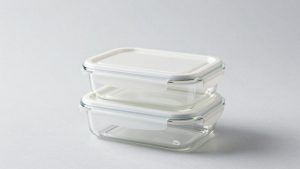
Clear construction makes contents easy to identify.
-
Locking lids provide a secure closure.
-
Stackable shapes help organize refrigerators.
-
Multiple sizes accommodate different portions.
-
BPA-free according to the manufacturer.
Choosing the best brand for plastic food storage containers comes down to more than price or the number of pieces in a set. Rubbermaid, Snapware, Tupperware, and Glad offer different advantages, from dependable airtight seals to affordable everyday storage. Here are the brands worth considering for American kitchens.
Quick verdict: Which brand makes the best plastic food storage containers?
Rubbermaid Brilliance is the strongest overall choice for most households because of its secure locking lids, clear construction, and resistance to staining compared with many conventional plastic containers. Snapware is a practical value alternative, while GladWare suits shoppers who want inexpensive containers for everyday leftovers and gatherings.
| Brand and product line | Best for | Main advantage | Main trade-off |
|---|---|---|---|
| Rubbermaid Brilliance | Best overall | Secure seals and clear Tritan construction | Lids require storage space |
| Snapware Total Solution | Best value | Locking lids and stackable shapes | Can stain with strongly colored foods |
| Tupperware Heritage | Premium everyday storage | Durable reusable designs | Premium pricing |
| Fullstar | Meal prep | Large assortment of portion sizes | More pieces require more organization |
| Rubbermaid TakeAlongs | Families and leftovers | Lightweight, convenient containers | Less secure than Brilliance |
| ZOKU | Small kitchens | Compact, organized designs | Smaller selection of capacities |
| GladWare | Budget storage | Affordable disposable-style convenience | Less suitable for long-term heavy use |
How we chose the best brand for plastic food storage containers
A useful food storage set should make everyday kitchen tasks easier rather than create another collection of mismatched lids. We prioritized seal quality, durability, cleaning convenience, useful sizes, and storage efficiency, using published product specifications and independent testing rather than claiming firsthand testing.
The research included Good Housekeeping’s 2026 evaluation of more than 85 food storage containers, Bon Appétit’s testing, and EatingWell’s evaluation of plastic container sets. These sources sometimes reached different conclusions, so recommendations reflect specific use cases rather than treating one brand as universally superior.
What matters most when comparing brands
The most important distinction is the lid design. Locking lids with a gasket generally provide more dependable protection against spills than simple press-on lids. However, a container advertised as airtight should not automatically be assumed to be completely leakproof under every condition.
Material matters, too. Tritan and polypropylene are common choices, but their performance and care requirements differ. Look for BPA-free labeling, temperature restrictions, and manufacturer instructions for microwave, freezer, and dishwasher use.
Best brand for plastic food storage containers: Top picks
These seven brands cover different household needs, from premium reusable containers to inexpensive options for occasional storage. The recommendations distinguish between durable, reusable systems and lightweight containers that are more convenient for short-term use.
Rubbermaid Brilliance – Best overall
Best for airtight everyday storage
Rubbermaid Brilliance stands out for households that frequently store leftovers, sauces, prepared meals, and packed lunches. Its transparent Tritan plastic construction and locking lid design make it easier to identify contents while providing a more secure closure than basic press-on containers.
The Brilliance line is available in multiple sizes and configurations. Good Housekeeping named it its best overall food storage container after evaluating seal performance, staining, microwave use, and everyday durability. Its straight-sided shapes also make refrigerator organization easier.
Pros
-
Clear construction makes contents easy to identify.
-
Locking lids provide a secure closure.
-
Stackable shapes help organize refrigerators.
-
Multiple sizes accommodate different portions.
-
BPA-free according to the manufacturer.
Cons
-
Locking lids take up additional cabinet space.
-
Premium sets can cost more than basic plastic containers.
-
The exact assortment varies between sets.
Buy if: You regularly store leftovers and want reusable containers with secure closures.
Skip if: You prefer inexpensive containers that you do not need to reuse frequently.
Snapware Total Solution – Best value
Best for everyday meal storage
Snapware Total Solution offers a practical balance between price and convenience. Its locking lids make it suitable for packing lunches, storing leftovers, and organizing prepared ingredients without purchasing a premium container system. The stackable design also helps keep refrigerator shelves organized.
Good Housekeeping identified its five-pack of 3-cup plastic containers as a value pick. Testing found that the lids performed well in a shake test, although tomato sauce caused some staining. That makes Snapware a sensible option for everyday use rather than a completely stain-proof solution.
Pros
-
Locking lids provide a secure closure.
-
Stackable containers simplify storage.
-
Useful capacities for individual meals.
-
Available in different assortment sizes.
Cons
-
Highly pigmented foods can cause staining.
-
Lid flaps require additional cabinet space.
-
Gasket grooves need careful cleaning.
Buy if: You want reusable plastic containers without paying for a premium set.
Skip if: You frequently store tomato-based sauces and prioritize stain resistance.
Tupperware Heritage – Best premium traditional option
Best for reusable household storage
Tupperware has a long history in household food storage, making it a recognizable choice for shoppers who prefer reusable containers with traditional designs. Its Heritage collection offers a different approach from modern transparent locking systems, with an emphasis on classic storage shapes and everyday convenience.
EatingWell included Tupperware Heritage among its recommended plastic food storage options. Its appeal is strongest for shoppers who value a reusable container collection rather than simply buying the largest possible assortment.
Pros
-
Established food storage brand.
-
Reusable designs for everyday household needs.
-
Traditional shapes suit different kitchen routines.
-
A premium alternative to basic disposable-style containers.
Cons
-
Premium products may cost more.
-
Specific sizes and configurations vary.
-
Current availability should be checked before purchasing.
Buy if: You prefer established reusable kitchen storage products.
Skip if: Your main priority is the lowest cost per container.
Fullstar – Best for meal prep
Best for preparing multiple meals
Fullstar is worth considering when the main goal is preparing several meals in advance. Its larger food storage assortments can help shoppers organize ingredients and portions for work lunches, weekly meal preparation, and leftovers.
EatingWell included a Fullstar 50-piece set among its recommendations for meal preparation. A large assortment is particularly useful for households that need multiple containers at once, although the total piece count should not be confused with the number of actual storage bases because lids are included in set counts.
Pros
-
Large assortment for meal preparation.
-
Multiple container sizes for portioning.
-
Useful for organizing prepared ingredients.
-
Suitable for households that need several containers.
Cons
-
Large sets require substantial storage space.
-
More lids and bases can become difficult to organize.
-
Individual product specifications should be checked.
Buy if: You regularly prepare several meals in advance.
Skip if: You only need a few containers for occasional leftovers.
Rubbermaid TakeAlongs – Best for families
Best for casual everyday use
Rubbermaid TakeAlongs provides a more straightforward alternative to the Brilliance collection. The lightweight design makes these containers convenient for packing leftovers, sharing food, and organizing meals without investing in a premium storage system.
EatingWell included TakeAlongs among its recommended options for families. Their biggest advantage is convenience, especially when multiple containers are needed for different household members.
Pros
-
Lightweight construction.
-
Convenient for leftovers and packed meals.
-
Available in different shapes and sizes.
-
Easier to replace than a premium storage system.
Cons
-
Basic lids are not equivalent to gasket-equipped locking lids.
-
Less suitable for transporting liquids.
-
Conventional plastic may stain with certain foods.
Buy if: You need affordable containers for family leftovers and everyday food storage.
Skip if: You frequently carry soups, dressings, or other liquids in your containers.
ZOKU – Best for compact kitchens
Best for smaller storage spaces
ZOKU is another option for shoppers who want practical food storage without filling their cabinets with oversized containers. Its Neat Stack collection is designed around convenient stacking, making it relevant for smaller kitchens, apartments, and households that prepare modest portions.
EatingWell included ZOKU among its recommended plastic food storage products for small kitchens. Its main appeal is organization rather than simply offering the largest number of pieces.
Pros
-
Compact storage approach.
-
Useful for smaller portions.
-
Designed to simplify organization.
-
Suitable for kitchens with limited cabinet space.
Cons
-
May not provide enough capacity for bulk storage.
-
Assortments may be less extensive than larger storage systems.
-
Check individual dimensions before purchasing.
Buy if: Cabinet space is limited and compact storage is important.
Skip if: You regularly store large batches of food.
GladWare – Best budget option
Best for inexpensive everyday storage
GladWare is a familiar option for shoppers who need straightforward plastic food containers without spending much on a reusable storage system. Its products are useful for storing leftovers, packing snacks, and bringing food to gatherings.
EatingWell included GladWare among its recommendations for inexpensive entertaining. Its appeal comes from convenience and affordability rather than premium construction or advanced sealing mechanisms.
Pros
-
Budget-friendly approach.
-
Convenient for leftovers and gatherings.
-
Lightweight and easy to handle.
-
Available in several container shapes.
Cons
-
Less substantial than premium reusable systems.
-
Basic lids offer limited protection against spills.
-
Not the best choice for long-term heavy-duty storage.
Buy if: You want inexpensive containers for occasional food storage.
Skip if: You want a long-lasting system with highly secure lids.
How to choose the right plastic food storage brand
The right brand depends on what you store, how frequently you use the containers, and how much cabinet space you have. Before buying a large set, consider the following features because they have a more direct impact on everyday convenience than the advertised piece count.
Choose the right plastic material
Polypropylene and Tritan are two materials worth understanding.
-
Polypropylene is commonly used in food storage containers because it is lightweight and suitable for many everyday storage applications.
-
Tritan is a clear plastic used in products such as Rubbermaid Brilliance, with an emphasis on transparency and durability.
-
BPA-free labeling is useful, but it does not mean every possible chemical exposure concern is eliminated.
Always check the manufacturer’s instructions for the exact product rather than assuming every plastic container can withstand the same temperatures.
Look for dependable lids
Lid quality can make a significant difference in daily use.
A simple press-on lid may be sufficient for dry snacks and refrigerated leftovers. However, locking lids with a gasket are a better choice when transporting food or storing liquids.
Check that the lid closes evenly and that the seal is removable for cleaning when the manufacturer allows it. Food residue trapped around the seal can make maintenance difficult.
Consider container sizes
A useful collection should include several capacities rather than dozens of nearly identical small containers.
| Container size | Practical use |
|---|---|
| 0.5–1 cup | Sauces, snacks, and small portions |
| 1–2 cups | Individual leftovers and side dishes |
| 3–4 cups | Lunches and prepared meals |
| 5–8 cups | Larger leftovers and meal preparation |
| 8+ cups | Family portions and bulk storage |
These are practical selection ranges, not requirements for every household.
Check microwave and dishwasher compatibility
Not every plastic container is suitable for reheating food. Some products allow microwave use only with the lid removed or opened, while others have temperature restrictions.
The same applies to dishwasher cleaning. A dishwasher-safe label may specify top-rack placement rather than unrestricted use.
For longer-lasting containers, avoid exposing plastic to unnecessary heat and replace pieces that become cracked, warped, or badly damaged.
Plastic food storage containers: Common buying mistakes
Buying a large assortment may seem economical, but the wrong collection can create more kitchen clutter. Avoid these mistakes before committing to a particular brand.
Buying based on piece count alone
A 50-piece set may sound more valuable than a 14-piece set, but the advertised count often includes lids. Compare the number of actual containers, their capacities, and the proportions of small and large pieces.
Assuming every airtight container is leakproof
A tight seal can help prevent air exchange, but it does not guarantee that a container will remain spill-free when turned upside down or transported in a bag.
If you carry soups or sauces, prioritize locking lids with a properly fitted gasket.
Ignoring stain and odor retention
Tomato sauce, curry, and other strongly colored foods can stain plastic. Some containers also retain food odors after repeated use.
Rinsing containers promptly and following the manufacturer’s cleaning instructions can help, but material and surface design still matter.
Frequently asked questions
What is the most reliable brand of plastic food storage containers?
Rubbermaid Brilliance is a strong choice for reliable everyday storage because of its locking lids and transparent Tritan construction. Snapware Total Solution is another option for shoppers who want secure closures at a more accessible price point.
Are Rubbermaid or Snapware containers better?
Rubbermaid Brilliance is preferable when you prioritize clear construction and stain resistance, while Snapware Total Solution is attractive for everyday value. The better option depends on your budget, storage needs, and preference for lid design.
Are plastic food storage containers safe?
Food-grade plastic containers can be used for food storage when they are designed for that purpose and handled according to manufacturer instructions. Look for BPA-free labeling, avoid heating containers that are not microwave-safe, and replace damaged pieces.
How long should plastic food storage containers last?
There is no universal lifespan. Quality, cleaning frequency, temperature exposure, and daily handling all influence durability. Replace containers when they become cracked, warped, heavily scratched, or difficult to clean properly.
Should I buy a complete container set or individual pieces?
A complete set makes sense when you are starting from scratch and need several sizes. Individual containers are better when you already own compatible lids and bases or know exactly which capacities you use most often.
Conclusion
Rubbermaid Brilliance is the strongest overall recommendation for households wanting dependable plastic food storage, while Snapware offers a practical value alternative. Tupperware suits premium traditional storage, and GladWare works for tighter budgets. Choose based on lid performance, material, useful capacities, and cleaning requirements rather than piece count alone.
FAQ
Quick verdict: Which brand makes the best plastic food storage containers?
What is the most reliable brand of plastic food storage containers?
Are Rubbermaid or Snapware containers better?
Are plastic food storage containers safe?
How long should plastic food storage containers last?
Should I buy a complete container set or individual pieces?
More from Amazon
Programs that pair well with the guide above. Offers and eligibility are set by Amazon and may change.
Set up recurring deliveries of everyday items on eligible products. Terms and savings are set by Amazon.
Explore Subscribe & SaveCollect the home and kitchen items you want in one registry that guests can shop from.
Create a wedding registryFree shipping on eligible items, Prime Video and more. Eligible new members can start with a free trial.
Start a Prime free trialAudiobooks and podcasts to listen to on the go. Eligible new members can start with a free trial.
Try Audible freeAs an Amazon Associate we earn from qualifying purchases.