Key takeaways
- Choosing between stainless steel meal prep containers and glass bento boxes is less about which material is universally better and more about how food storage fits into your daily routine. The real decision is whether you value a lighter, nearly…
Choosing between stainless steel meal prep containers and glass bento boxes is less about which material is universally better and more about how food storage fits into your daily routine. The real decision is whether you value a lighter, nearly unbreakable container for transport or a microwave-friendly box that lets you see, heat, and serve food in the same dish.
Both options can reduce disposable packaging and organize prepared meals. However, they behave very differently in a crowded refrigerator, a child’s backpack, a dishwasher, or a small kitchen cabinet. Stainless steel usually wins for durability and portability, while glass tends to win for reheating, visibility, and a polished table-to-fridge experience. The right choice depends on your home, not just the container’s listed capacity.
Our top picks



As an Amazon Associate we earn from qualifying purchases at no extra cost to you. Ratings are shown as listed on Amazon.
Quick Verdict
Choose stainless steel meal prep containers if you need lightweight, break-resistant storage for lunches, snacks, picnics, commuting, or outdoor use. Stainless steel is also a strong choice for households that frequently drop containers, pack food for children, or want storage that will last for years with minimal concern about cracks.
Choose glass bento boxes if you meal prep at home, reheat food often, prefer to see the contents immediately, or want one container to move from refrigerator to microwave to dining table. Glass is heavier and requires more careful handling, but it is generally easier to use for saucy meals and portioned lunches.
For many homes, the most practical answer is a mix: stainless steel for transport and snacks, plus glass for cooked meals that need reheating. In 2026, common multipacks make either setup affordable, with many basic sets landing between $25 and $65.
Side by Side
| Consideration | Stainless Steel Meal Prep Containers | Glass Bento Boxes |
|---|---|---|
| Comfort | Light in a lunch bag; exterior usually stays comfortable to handle | Heavier; can become hot after microwaving and needs a mitt |
| Durability | Highly resistant to drops; may dent or scratch | Rigid and scratch-resistant, but can chip or break if dropped |
| Price range | About $25–$65 for common multipacks | About $28–$60 for common multipacks |
| Maintenance | Dishwasher-friendly models are simple; corners and lids need inspection | Glass is easy to clean; silicone seals may require removal and drying |
| Space needed | Often nests efficiently; lids may need separate storage | Thicker and heavier; needs stable shelf space |
| Look | Streamlined, opaque, and utilitarian | Visible food, more serving-ready, and often more polished |
| Resale or replacement | Long service life; individual pieces may be harder to replace | Easy to replace common glass bases, though lids are model-specific |
| Portability | Best for backpacks, work bags, travel, and outdoor meals | Better for careful car transport or home use |
| Best for | Snacks, sandwiches, salads, packed lunches, and rugged daily use | Reheated meals, leftovers, portioned dinners, and visible organization |
Where Stainless Steel Meal Prep Containers Wins
Stainless steel’s biggest advantage is its strength-to-weight ratio. A typical 28- to 36-ounce metal container may weigh roughly 6 to 12 ounces before its lid, while a similarly sized glass container can weigh about 1.5 to 2.5 pounds with its lid. The exact weight varies by wall thickness and lid design, but the difference is noticeable when packing several meals.
That lower weight matters for commuting and children’s lunches. A stainless container is far less likely to shatter when it falls from a counter or gets knocked around in a backpack. It can dent, develop cosmetic scratches, or lose its shape after significant impact, but those problems are usually less disruptive than broken glass.
Stainless steel also handles cold storage and room-temperature transport well. It does not absorb food odors as readily as some plastic containers, and its opaque walls protect food from view and light. This can make it useful for storing leftovers that do not need to be identified at a glance.
For example, a multipack such as the CLWVPCOT 10 Pack Stainless Steel Food Storage Containers is positioned around 34-ounce reusable containers and lists for $29.99. An eight-piece, 850-milliliter undivided Umigy set lists for $61.99. These examples show the broad price spread: large sets can be inexpensive per piece, while fewer containers may cost more because of construction, lid design, or packaging.
There are trade-offs. Stainless steel cannot go in a microwave, and it is not ideal for long-term storage of strongly acidic foods such as tomato sauce unless the manufacturer specifically approves that use. You also cannot see how much food remains without opening the lid. For meals that need reheating, you will need to transfer the food to a microwave-safe dish, which adds a step and another item to wash.
Where Glass Bento Boxes Wins
Glass is the more convenient material for a cook who prepares food once and eats it several times. Most tempered-glass food containers are designed for refrigerator, freezer, and microwave use, but you should follow the individual manufacturer’s temperature instructions. Remove the lid before microwaving, and avoid moving a very hot glass dish directly onto a cold or wet surface.
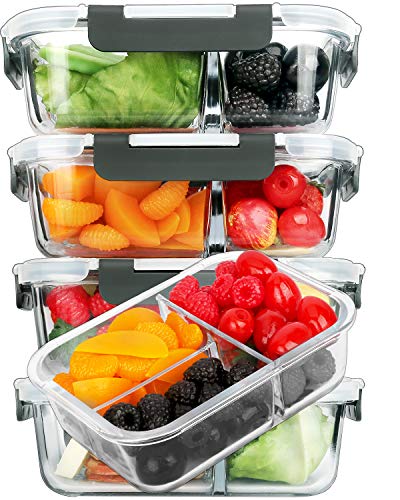
The clear walls make portion control and meal identification easier. A 32- or 36-ounce container can visibly separate a main dish from sides, while three-compartment designs keep foods apart without requiring several small containers. Glass also resists retaining color and odor, making it particularly appealing for curries, tomato-based dishes, garlic-heavy foods, and meal-prepped vegetables.
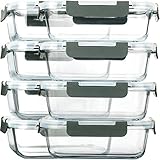
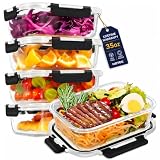
Two examples in this category are the M MCIRCO five-pack of 36-ounce, three-compartment glass meal prep containers, listed at $29.99, and a four-pack of 32-ounce glass containers with two- and three-compartment layouts, listed at $27.99. These prices are competitive with stainless sets, but the value depends on how many bases, lids, and compartments you actually use.
Glass is also more suitable for serving. You can move a container from the refrigerator to the oven or microwave, depending on its instructions, then place the dish on the table. It has a substantial, stable feel and does not look out of place in a casual dining setting.
The main drawback is weight and breakage risk. Several glass boxes can add substantial mass to a work bag or refrigerator shelf. Chips around the rim, cracks, and damaged corners are reasons to stop using a piece. Glass lids are uncommon; most sets use plastic lids with silicone seals, so the lids still require the same care as other reusable food-storage accessories.
Cost Over 5 Years
Up-front prices for both categories are often similar. A stainless steel set may cost approximately $25 to $65, while a glass bento set commonly falls between $28 and $60. A five-year comparison should therefore include replacement, convenience, and the value of keeping the same containers in service.
Suppose you buy a $30 stainless set and replace one lost or damaged lid for $5 to $12 during five years. Your direct cost would be approximately $35 to $42, assuming the containers remain usable. Because stainless steel generally tolerates drops, replacement may be limited to lids or badly dented pieces.
Now suppose you buy a $30 glass set and replace two broken bases at $8 to $15 each. The five-year total could reach approximately $46 to $60. That does not mean glass is a poor value; it may save time by allowing you to reheat and serve in one dish. If that convenience prevents you from buying disposable takeout containers or using extra microwave dishes, the practical value can be higher.
There is also a storage-cost factor. A 36-ounce glass container may take up roughly 8 by 6 by 3 inches, depending on its shape, while a similarly sized stainless model can be closer to 7 by 5 by 2.5 inches. These are typical planning estimates, not universal dimensions. Check each product’s listed measurements before choosing a set for a narrow cabinet or crowded refrigerator.
Which One for Your Home
Small apartment
Choose stainless steel if your kitchen has limited cabinet space and you regularly carry meals outside the home. Nesting bodies can reduce clutter, and lighter containers are easier to stack in a small refrigerator. Choose glass instead if your main goal is cooking once and reheating leftovers throughout the week. In either case, measure the shelf depth and allow room for lids.
Family with kids or pets
Stainless steel is usually the safer practical choice for busy family areas. It is less vulnerable to drops from a table, counter, or backpack, and it adds less weight to a packed lunch. Use glass selectively for adult portions or refrigerator storage, where the containers are less likely to be knocked down.
Rental
Renters who move frequently should consider stainless steel because it is lighter and less likely to break during packing or transport. It is also useful for shared refrigerators, picnics, and moving-day meals. If you rarely carry food and have a reliable microwave, glass may provide more everyday convenience.
Long-term home
A long-term household can benefit from owning both types. Keep glass bento boxes for reheated lunches, leftovers, and organized dinners. Add stainless steel containers for snacks, travel, outdoor meals, and anyone who tends to drop dishes. This two-material system costs more initially but avoids forcing one material to handle every task.
FAQ
Can stainless steel meal prep containers go in the microwave?
No. Metal containers should never be placed in a microwave unless the appliance and container manufacturer explicitly provide a compatible, approved system. Transfer the food to a microwave-safe bowl or use glass instead.
Are glass bento boxes safer than stainless steel for acidic foods?
Glass is generally a convenient choice for acidic foods such as tomatoes, citrus-based dishes, and vinegar-heavy salads because it is nonporous and does not interact with ordinary food storage. Stainless steel can also work for many foods, but follow the product’s care instructions and avoid leaving acidic meals stored for unusually long periods.
Which type keeps food cold longer?
Neither material automatically keeps food cold without an insulated bag or ice pack. Stainless steel often feels colder because it conducts temperature quickly, while glass has greater thermal mass. For food safety, use a chilled lunch bag and ice pack, and follow standard guidance for limiting perishable food at room temperature.
Are compartment containers worth buying?
They are worthwhile if you regularly pack meals with separate portions, such as a main dish, fruit, and vegetables. Compartments can reduce the number of containers you carry. However, an undivided container is more flexible for large leftovers, soups, and irregularly shaped foods. Choose the layout that matches what you actually pack most often.