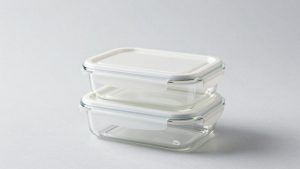
The best food storage containers for arthritic hands match the motion you find easiest. Start with the push-button OXO POP Medium Jar for dry pantry staples. For leftovers, try the 3.2-cup Rubbermaid Brilliance if lifting two latches feels easier than twisting a lid. Choose by how you close and lift the filled container, too.
The best food storage containers for arthritic hands at a glance
For dry food you open several times a day, the OXO POP Medium Jar is the first pick because a button releases the seal. For leftovers, start with one Rubbermaid Brilliance if you prefer individual latches, or try the Ziploc Twist ’n Loc if you can comfortably turn a broad lid while the base stays on the counter.
| Product | Best for | Capacity | Opening motion | Trade-off |
|---|---|---|---|---|
| OXO Good Grips POP Medium Jar | Dry pantry staples | 3 qt | Press button, then lift lid | Pantry design. The full jar can be bulky. |
| Rubbermaid Brilliance Medium Rectangle | Everyday refrigerated leftovers | 3.2 cups | Release two latches, then lift lid | The gasket can still resist lifting. |
| Ziploc Twist ’n Loc Medium | A broad screw lid | 4 cups | Turn the lid while holding the base steady | Requires rotation and enough grip to steady the base. |
| OXO Prep & Go Divided Container | Lunch with separate foods | 4.1 cups total | Release two clips and lift lid | The maker calls for a firm center press when closing. |
| Joseph Joseph Nest Lock, Sky | Several portions in limited cabinet space | Five containers, about 1–12.7 cups | Release locking clips and lift lid | Several clips and five different lid sizes. |
| IKEA 365+ Rectangular Glass with Snap-Lock Lid | A glass option with a replaceable lid | 34 fl oz | Release the snap locks and lift lid | The glass base adds weight. |
The comparisons use U.S.-facing product specifications and instructions reviewed November 13, 2026. The rankings favor a clearly documented opening motion, a practical way to steady the base, and a size that matches the use case. They are based on design and intended use. Opening force and ease of use with arthritis were not measured, so use the picks to narrow down which closure to try first.
Which food storage container suits your kitchen?
Start with the container that gives you the most trouble today. A jar you open every morning calls for a different solution than a lunch box you need to seal securely before commuting. The picks below describe the opening and closing motions separately so you can decide which design fits the full routine.
OXO POP Medium Jar is best for dry pantry staples
The 3-quart OXO POP Medium Jar uses a push button to seal and release the lid. It is the first option to consider if turning a screw top or peeling back a tight rim makes it difficult to reach cereal, pretzels, or other dry foods. Set the jar on the counter to press the button before lifting the lid.
The button releases the seal, but you still need to remove the lid. Think about the whole sequence in the spot where the jar will live. If you have to pull it down from a high shelf to reach the button, the closing mechanism solves only part of the problem. A counter or an easy-to-reach pantry shelf lets you set the jar down before you open it.
Three quarts is about 12 cups. That makes the jar suitable for a household supply of a light snack, but a jar full of rice will feel different to lift than the same jar full of crackers. If you keep the jar on the counter, use a scoop and bring a bowl to it. If you routinely move it from a shelf to the counter, consider whether a smaller POP model would cover your needs with less weight.
Buy if you want to replace a twist or peel motion for dry staples. Skip if you need a container for soup, a packed lunch, or food you reheat in the container. Try the 3.2-cup Brilliance for leftovers or the Ziploc if you prefer to rotate a broad lid.
Rubbermaid Brilliance is best for everyday leftovers
The 3.2-cup Rubbermaid Brilliance Medium Rectangle uses a clear plastic body and two latches. It is the first leftover container to try if you prefer lifting one latch at a time to turning a lid around a fixed base. The size fits a single meal or side without requiring a large container for every portion.
Rest the container on the counter and look at how your finger or thumb meets each latch. A latch can be comfortable to flip yet leave the lid difficult to raise. When comparing two containers in person, release both latches and lift the lid from an accessible edge. That last movement tells you more about daily use than the sound the latch makes.
The clear base helps you see what is inside before you open it. If your household keeps several similarly sized meals, add a readable label to the side facing the front of the refrigerator. That avoids having to lift and open two or three containers to find one dish. Rubbermaid lists the container as leakproof when properly closed. Check the exact heating and cleaning instructions if you plan to reheat the same portions at work.
Buy if you can release both latches and lift the lid comfortably with the container supported. Skip if getting under a latch is the movement you struggle with most. The Ziploc screw lid trades that motion for rotation, which may suit you better if you can steady the base without squeezing it.
Ziploc Twist ’n Loc Medium is best for a broad screw lid
The 4-cup Ziploc Twist ’n Loc Medium has a round, grippable lid that unscrews from the base. This is an option for shoppers who find a whole-hand turn more comfortable than picking up narrow clips with their fingertips. The manufacturer describes the closure as leak-resistant and the grip as easy to open.
The important question is whether you can prevent the container from turning with the lid. Try setting an empty one on the counter and holding the side with a relaxed hand while turning the top. If the base slips around, you may have to tighten your grip more than you expected. A clean, nonslip surface can help you evaluate the motion without needing to lift the container.
Practice closing it as well. Start with the lid level, then turn it without forcing the threads. If it feels crooked, lift it, line it up again, and restart the turn. That matters when more than one person uses the container. Someone who tightens a lid firmly may leave it harder for the next person to release. Decide whether everyone can reliably close it securely in a way the intended user can reopen.
Buy if broad rotation feels comfortable and you want a round box for leftovers. Skip if wrist rotation or holding the base still is the difficult part. Compare the Brilliance latches for leftovers or a push-button OXO jar if the food is dry and stays in the pantry.
OXO Prep & Go is best for a divided lunch
The OXO Prep & Go 4.1-Cup Divided Container holds three food portions under one lid and uses two locking clips. OXO also lists handles on the base, which give you designated places to hold it. The layout makes sense if opening several individual boxes is the slowest part of sitting down to eat lunch.
One lid can replace the separate closures you might use for a main and two sides. Before deciding, consider the size of each portion. The 4.1-cup figure applies to the entire container. A bulky sandwich or a large entrée may be a poor fit even if the sum of your portions is below the listed volume. The design fits a meal like rice, sliced chicken, and vegetables where the portions can be arranged to suit the wells.
The key trade-off is how it closes. OXO directs users to press firmly in the middle of the lid before engaging the latches. Test whether you can do that comfortably with the container resting on a counter. Also check how much space the compartments and gasket areas take to wash and dry. If you pack lunch every day, the work of closing and cleaning belongs in the buying decision alongside the number of clips.
Buy if you regularly carry several foods and prefer opening one divided container at lunch. Skip if a firm downward press is difficult or you typically pack one large item. The Brilliance Medium Rectangle gives you an undivided alternative with a two-latch design.
Joseph Joseph Nest Lock is best for a small cabinet
The Joseph Joseph Nest Lock set in Sky includes five nesting containers and five locking lids. It makes sense when finding room for empty boxes is part of the problem and you need several capacities, from a small snack to a larger batch. The nesting design keeps the matching set together in one cabinet spot.
Target lists capacities of 230 mL, 540 mL, 1.1 L, 1.85 L, and 3 L, or roughly 1, 2.3, 4.6, 7.8, and 12.7 cups. There is a large difference between handling the smallest container and removing the largest one from a shelf when it is full. Keep the sizes you use most within easy reach. If you often store soup, a few mid-size containers may be easier to move and open than one large box filled to the top.
The trade-off is that saving space does little to simplify the clips. Each lid has to match its base and all the locking points need to be opened before you lift it. If you use containers daily, consider whether you can pull the one you want from the nest without shifting a heavy stack. After washing, keep the lids in order so choosing one takes fewer steps.
Buy if you need varied sizes and can handle the clips comfortably. Skip if your main goal is to reduce the number of releases per lid. Two identical Brilliance containers may be more practical when you routinely store the same amount and prefer two latches.
IKEA 365+ rectangular glass is best for a replaceable lid
The 34-fluid-ounce IKEA 365+ rectangular glass container pairs a glass base with a removable snap-lock lid. It suits a shopper who prefers storing and serving leftovers in glass and wants to replace the lid separately if it wears out. IKEA sells the compatible rectangular plastic lid as a separate item.
Compared with a similarly sized plastic box, the glass adds weight before you put food inside. Check whether you can slide it toward you on the refrigerator shelf and lift it with both hands. If it typically goes from the fridge to the kitchen counter, that may be manageable. For a lunch that travels in a backpack or a container you carry from a shared microwave to a desk, the extra weight may matter more.
Check the closure as a separate task. The tabs offer several places to start, but each engaged lock needs to be released before lifting the lid. This design makes most sense if you can use the clips without trying to hold the dish up at the same time. Match both the rectangular shape and the compatible size when buying a spare. IKEA sells other 365+ shapes and sizes with their own lids.
Buy if you want glass, can move the filled dish comfortably, and value a separately sold lid. Skip if your priority is a lighter container or fewer closures. Rubbermaid Brilliance is the closer alternative for an undivided rectangular leftover box in plastic.
How to compare lid motions before buying
A lid has to release, lift, line up, and close. Judge all four movements before buying a set. Think about the surfaces you actually use, from a narrow counter to a shared break room. A container that feels comfortable on a wide countertop may be awkward to open if you can only hold it in your lap or in the air.
How the best food storage containers for arthritic hands open
Start with the motion that already works for you. A broad push button can suit dry goods if you have a flat surface beneath the jar. A latch can give you a defined place to lift if you dislike turning a lid. A screw top may fit if you can hold the base steadily and turn the lid with your whole hand.
To compare products, open an empty container on a counter, set the lid down, and close it again. Pay attention to any point where you need to change your grip or lift the base off the surface. Then repeat with a normal portion of cool food at home. A light empty bowl can slide away when you release a latch, while a filled one may stay put but feel harder to move. The most useful comparison is the version that matches your kitchen routine.
Notice whether you need to start with a fingernail, pinch a narrow edge, or press hard to get a clip past the rim. The lid should also be easy for you to check after closing. If the tabs lie flat when locked, for example, you can inspect them without reopening the container. Try one before buying several when the motion is unfamiliar.
How to choose a capacity you can carry comfortably
Choose for the portion you usually store and the route the container takes. A jar can stay on the counter while you scoop from it, but a lunch box has to move through a refrigerator, a bag, and a work surface. When you compare capacities, picture the container full of the food you handle most often.
A large container can make sense for popcorn, yet the same size may feel unwieldy when packed with cooked rice. For leftovers, a pair of medium boxes gives you two loads you can lift separately and can make sense if you usually reheat one serving at a time. Look at width as well as volume. A base that is easy to reach across at the store may be harder to support when full or when your hands are wet.
Think through the handoff if someone else prepares your food. Ask them to use the container you can reopen and show them how you check that the closure is secure. If you store containers at different heights, put the ones that are heaviest when full on the shelf that gives you room to slide them forward and lift with both hands.
When the lid seal matters as much as the opening
Choose the seal for where the container goes after you close it. Dry snacks in a stationary pantry jar make different demands than thin leftovers in a bag that may tip. Check the maker’s instructions for the exact model, then weigh the closure against the effort it takes to line up the lid and seal it every time.
For lunches you carry, check that the rim is clear of food and that each latch is engaged or the screw lid is seated evenly. Try handling your own container with a small amount of cool water over a sink before relying on it for thin liquids. That can show whether the lid was seated for that check. It gives no guarantee about a lid that has been dropped, a gasket that is out of place, or a container packed at a different angle.
When cleaning, look at how many removable parts are involved and how they go back together. For regular use, a lid you can clean and reassemble comfortably is worth considering alongside the first opening. Follow the directions for the model you choose, especially before removing a gasket or using the microwave. Dry parts thoroughly before reassembly so you can see and feel whether the lid is seated evenly.
Conclusion
Choose the OXO POP Medium Jar for dry pantry staples, the 3.2-cup Rubbermaid Brilliance for everyday leftovers if two latches suit you, or the Ziploc Twist ’n Loc if a broad turn is easier. Try opening, closing, and lifting one container with a typical portion before committing to a full set for your kitchen.
More from Amazon
Programs that pair well with the guide above. Offers and eligibility are set by Amazon and may change.
Set up recurring deliveries of everyday items on eligible products. Terms and savings are set by Amazon.
Explore Subscribe & SaveCollect the home and kitchen items you want in one registry that guests can shop from.
Create a wedding registryFree shipping on eligible items, Prime Video and more. Eligible new members can start with a free trial.
Start a Prime free trialAudiobooks and podcasts to listen to on the go. Eligible new members can start with a free trial.
Try Audible freeAs an Amazon Associate we earn from qualifying purchases.