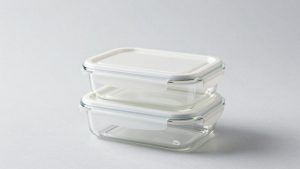
The best reusable containers for meal prep fit the way you pack, carry, and eat lunch. Rubbermaid Brilliance 3.2-Cup is our overall pick for everyday meals that need a latching lid. Choose Pyrex Simply Store for reheating at home or Bentgo Prep when you want to portion several lunches in one session.
Quick verdict
Start with Rubbermaid Brilliance if your lunch rotates between grain bowls, pasta, and leftovers with sauce. Its 3.2-cup rectangular body suits a single mixed meal, and its latching lid is made for a closed commute. A divided tray, salad bowl, or insulated jar earns its space when lunch demands a more specific design.
Buy enough containers to cover the lunches you actually pack before the first round of dishes comes back clean. Three matching bases and lids can be more useful for a hybrid schedule than a mixed set with one usable lunch size. If you already own containers that work at home, buy for the missing step. That might be a better seal for the commute, a tray that keeps sides separate, or a jar for days when there is nowhere to reheat.
Best reusable containers for meal prep at a glance
The table compares usable meal formats, labeled capacity, and the main trade-off for each pick. A divided tray distributes capacity across wells, while a salad bowl gives up room when its toppings tray is installed. Use the space available in your actual configuration when estimating what lunch will fit.
| Container | Best for | Labeled capacity | Design feature | Main trade-off |
|---|---|---|---|---|
| Rubbermaid Brilliance Medium | Everyday packed lunches | 3.2 cups | Clear rectangular plastic body and latching lid | One compartment |
| Pyrex Simply Store Round | Reheating at home | 4 cups | Tempered glass bowl with press-on lid | Breakable base and no latches |
| Bentgo Prep 3-Compartment | Portioning several lunches at once | 4 cups per tray | Ten trays with matching lids in the 20-piece set | Largest well holds only 2 cups |
| Bentgo Salad | Keeping greens and toppings separate | 6.75 cups without tray, 3.8 cups with tray | Toppings tray and 2.8-fl-oz sauce cup | Extra pieces to clean |
| Thermos Stainless King Food Jar | Soup or stew away from a microwave | 16 fl oz | Vacuum-insulated stainless steel body | Two-cup capacity and no microwave use |
| Stasher Stand-Up Mid Bag | Freezer ingredients and flexible storage | 56 fl oz | Silicone pouch with a stand-up base | Soft sides provide little crush protection |
How we chose
We compared U.S.-market manufacturer listings for capacity, closure design, materials, and the parts included with each model. The recommendations reflect how those designs match common meal prep routines. This was a specification-based editorial comparison, with no hands-on leak, drop, or heat-retention testing.
The overall pick had to cover both fridge storage and a typical commute without relying on separate compartments or a special eating routine. The other picks address tasks where that general-purpose box gives up something meaningful, such as room for bulky greens or the ability to carry a meal in an insulated vessel.
Capacity figures describe the named version. A larger bundle, different lid style, or similarly named glass and plastic variant can change the recommendation. We excluded price-based awards because bundle sizes and prices vary, and the same brand may count a base and its lid as separate pieces. The relevant comparison for a weekly prep routine is the number of complete containers in the size you can use.
Six picks for different meal prep routines
Start with the point where your routine usually breaks down. A lid that stays put matters when the box travels in a crowded bag. A removable tray matters when toppings go soft overnight. Each pick below solves a different packing problem, with a reason to choose another format when your routine changes.
Rubbermaid Brilliance Medium 3.2-Cup for everyday lunches
Rubbermaid Brilliance earns the overall spot because its rectangular base accommodates common one-dish lunches and its latching lid is designed to seal for transport. The clear body also makes it easy to distinguish similar meals in the fridge when you prep several servings from the same batch of ingredients.
A single cavity is useful for meals you intend to mix anyway. Pack rice, roasted vegetables, and chicken together when you want sauce to coat the whole bowl. If some lunches need a crunchy topping, add it from a small separate cup at the table. That is easier than giving up room to permanent dividers on every day you pack lunch.
The manufacturer describes the plastic version as airtight and leakproof when properly closed. Give the rim a quick check before closing and engage the latches evenly. Compare the word “plastic” on the listing with the material you intend to buy because Rubbermaid also sells Brilliance glass containers. If venting or reheating with the lid matters to you, follow the directions for the exact lid supplied with the set.
Buy if you alternate between saucy and dry one-dish meals and want one repeatable container for both. Skip if you routinely fill a larger lunch bowl at home, or if you need compartments to hold foods apart. A divided Bentgo tray solves the second problem, while Pyrex makes sense when the meal mostly stays in your kitchen.
Pyrex Simply Store 4-Cup Round for home reheating
The 4-cup Pyrex Simply Store pairs a round tempered glass bowl with a press-on lid. It works well when you want to portion leftovers, see what is inside, and reheat in the same vessel at home. The bowl shape also makes it easy to stir a grain bowl or scoop the last spoonful of a thick meal from the sides.
Pyrex lists the bowl for microwave, freezer, and dishwasher use. Look at the separate instructions for the plastic lid and account for normal glass handling when a portion goes from storage to reheating. The round opening is especially convenient for meals you eat with a spoon. For example, a portion of cooked grains and beans can move from the fridge to the microwave and then to the table in one bowl.
Round bowls leave gaps beside each other on a rectangular fridge shelf. Check the usable width of your shelf if you want to line up several portions, especially when other household members share the same space. The press-on lid also makes this a better pick for stationary storage than for a lunch bag that tips sideways. Glass adds weight and can break when dropped, which matters more when you carry multiple meals.
Buy if home reheating, easy stirring, and a glass food-contact surface are your priorities. Skip if you carry brothy dishes on public transit or regularly pack into a narrow tote. Rubbermaid is the more practical commuting choice for mixed lunches, while the Thermos has a specific role when hot soup is the meal.
Bentgo Prep 3-Compartment for batch portioning
Bentgo Prep makes sense when you want to portion a main and two sides across several lunches in one pass. Its 20-piece pack contains ten complete tray-and-lid pairs. Each tray holds four cups across three wells, so the largest section matters more than the total when you plan the main portion of each meal.
The 2-cup main well and two 1-cup side wells give you a repeatable template. Use the large well for pasta or a protein-and-grain mix, then use the smaller wells for two sides you want to serve separately. With matched trays, each packed meal has the same footprint. You can line up the bases and fill one well at a time, then close them once all the portions are ready.
Choose this layout for foods that benefit from a physical divider, such as rice and dry toppings or chicken and cut fruit. Pack thin dressing or a runny sauce in its own closed cup when cross-compartment mixing would spoil the meal. Also measure your lunch bag against the tray’s roughly 9.5-by-6.6-inch footprint. A wide shallow tray can be awkward in a bag designed for a tall bowl.
Buy if several meals follow the same main-and-sides pattern or two people share a prep session. Skip if you mix everything together at lunch, bring soup, or need more than two cups for the main. For an individual lunch with an intentionally separate sauce, the Bentgo Salad has a dedicated cup and more room for mixing.
Bentgo Salad for greens and toppings
The Bentgo Salad keeps leafy greens, toppings, and dressing in different places until lunch. Its key capacity figure is 3.8 cups in the bowl with the tray fitted, compared with 6.75 cups without it. The included sauce cup holds 2.8 fluid ounces, giving dressing its own closure instead of sharing a toppings well.
Pack greens in the bowl and add croutons or nuts to the upper tray if crunch matters. Remove the tray before tossing the salad so the bowl has room for the ingredients to move. The same setup can work for a taco bowl with beans and grains in the base, dry toppings in the tray, and salsa in the sauce cup. Decide whether you need every insert each day. Taking the tray out gives you more room for greens and reduces cleanup.
Bentgo lists the bowl for microwave use and the parts for top-rack dishwasher cleaning. If you want warm grains with cold toppings, remove the upper pieces before heating the bowl and assemble at your desk. The extra components are worth washing when you use them, but a plain box will be easier to handle for lunches you assemble completely the night before.
Buy if keeping dressing away from greens is a recurring problem. Skip if your salad portion fills the whole bowl and you also need the tray installed, or if the bowl is too tall for your packed bag. For a fully mixed pasta salad, the rectangular Rubbermaid is a simpler option with fewer pieces.
Thermos Stainless King 16-Ounce Food Jar for soup
The 16-ounce Thermos Stainless King is the pick for a soup or stew lunch when you cannot count on a microwave. Its vacuum-insulated stainless steel body serves a different purpose from a fridge container. At roughly two cups, the jar works for a compact hot main or for soup paired with a separately packed side.
Treat this jar as the last step before leaving home. Store your batch in your usual containers, then fill the jar as directed by Thermos for the meal you plan to carry. That workflow adds a morning task, but it avoids hunting for a microwave at lunch. A 16-ounce capacity is easier to judge by filling your regular soup bowl with two measured cups first. If that is only part of your lunch, plan for an extra container or shop for a larger jar.
The upright shape suits foods you can eat with a spoon. Chunky stew may be easier to serve into a bowl when you have one, and broad foods such as sandwiches are a poor match for the opening. Wash the closure and threads after use according to the product instructions. The stainless steel body stays out of the microwave.
Buy if hot soup, chili, or stew is a regular away-from-home lunch. Skip if you have reliable reheating and need more room for a mixed main. Rubbermaid covers everyday transport with a larger cavity, and Pyrex serves as a fridge-to-table bowl when you’re eating at home.
Stasher Stand-Up Mid Bag for flexible freezer prep
The Stasher Stand-Up Mid Bag holds a labeled 56 fluid ounces and has a gusseted base that lets it sit upright while you fill it. Its flexible silicone body suits frozen ingredients and loose components that do not need rigid protection. It works especially well when each meal draws from a shared supply.
Use it for smoothie ingredients, chopped produce, or portions you will empty into a bowl later. When you are using one bag for multiple servings, group foods that you plan to use together. If you reach into the freezer for the same combination each morning, dedicate a bag to that mixture and keep your rigid meal boxes available for complete lunches.
The bag gives you flexibility around irregular items but has no hard surface to shield crackers or soft fruit under heavier groceries. Its capacity describes overall volume, and the opening still determines how easily larger items go in and out. To simplify cleanup, leave the mouth open after washing so the inside can dry. For a meal that you will eat with a fork directly from its container, the stability and wide opening of a bowl are more useful.
Buy if freezer organization or replacing a disposable bag is your main goal. Skip if you need protection from crushing, a flat eating surface, or dedicated compartments. A rigid container for the main meal and one silicone bag for shared ingredients is a practical pairing when both formats would see regular use.
How to choose a reusable meal prep container
Work backward from the moment you eat. Decide whether the food needs reheating, whether sauces must stay separate, and how much room you need to stir or toss. Then trace the trip from fridge to lunch bag and check the outside dimensions, lid design, and cleaning steps for every piece you would use daily.
What size are the best reusable containers for meal prep?
Measure a lunch you already enjoy and account for how you eat it. Three cups of a dense grain bowl take up less practical space than a similar volume of greens that you need to toss with dressing. The amount a box can hold and the amount you can comfortably eat from it are two different measurements.
Start by scooping a typical serving into a measuring cup or bowl with volume markings. Compare it with the specific cavity you will fill. If your usual main takes nearly three cups, a four-cup divided tray with a two-cup main well is too small for that part of the meal. If you bring two small sides but never use the remaining well, a single cavity and a snack cup may fit your routine better.
Leave room for the movements you make at lunch. Tossing leafy greens requires space above the ingredients, while a grain bowl only needs enough room for a fork to turn a portion over. A wet dish carried in a tightly packed tote adds another practical check. Confirm that the container can sit flat with the lid closed and room around the latches.
Match the closure to the mess you need to prevent
Leaks between compartments and leaks into a lunch bag are separate problems. Look at how the lid meets the rim, then check whether wet sides have their own closed cup. A tray can be convenient for dry foods while a single sealed cavity may work better for sauces you intend to mix into the main meal.
For thick meals such as pasta, keeping the main container flat usually matters more than buying multiple dividers. Dressing calls for a small cup with its own closure when it would otherwise soften the salad. Soup and broth can move farther when the bag tilts, so choose a closure designed for the liquid you carry. An insulated food jar adds a temperature-control function for a hot lunch, while a latching single-compartment box fits a lunch you plan to reheat at your destination.
Check the lid when the container is empty, too. If it is uncomfortable to operate with your dominant hand or difficult to align on a crowded counter, you will repeat that small annoyance on every prep day. Matching lids across several identical boxes can matter more to your routine than the number of features on any one lid.
Check cleaning and storage before buying a full set
A reusable set has to fit the trip from the sink back to the cabinet. Consider whether empty bases nest, whether clean lids have a place to dry, and whether the parts that touch food fit your dishwasher rack. A simple design gets used more often when cleanup has to happen between consecutive workdays.
If you use a dishwasher, check the care instructions for each part. A microwave-safe base and a dishwasher-safe insert answer different questions, and the directions for a lid can differ from those for the vessel. For handwashing, look at how easily you can reach the corners of a divided tray or the interior of a flexible pouch. Imagine cleaning the food you pack most frequently, whether that is oily dressing or sticky oats.
When shopping for a multipack, divide the cost by the number of complete containers in the size you expect to use. In a mixed-size set, count the small ones separately if they would only hold garnishes. A large set may earn its shelf space for two people packing on the same days. One or two matching additions may work better if your current containers already cover most meals.
Conclusion
Choose Rubbermaid Brilliance for mixed lunches that travel, Pyrex for a glass bowl you can reheat at home, or Bentgo Prep when you portion a main and two sides in batches. For dressed salads, hot soup, or frozen ingredients, choose the format designed for that task and check its working capacity before buying.
More from Amazon
Programs that pair well with the guide above. Offers and eligibility are set by Amazon and may change.
Set up recurring deliveries of everyday items on eligible products. Terms and savings are set by Amazon.
Explore Subscribe & SaveCollect the home and kitchen items you want in one registry that guests can shop from.
Create a wedding registryFree shipping on eligible items, Prime Video and more. Eligible new members can start with a free trial.
Start a Prime free trialAudiobooks and podcasts to listen to on the go. Eligible new members can start with a free trial.
Try Audible freeAs an Amazon Associate we earn from qualifying purchases.