
Key takeaways
- Use a vertical file organizer to stand lids on edge.
- Keep one bin per lid shape so pairing is instant.
- Label bins if your household shares the cabinet.
Anyone who buys a 50-pack of meal prep containers quickly runs into the same problem: where do all these lids and bases go between Sunday cook sessions? An avalanche of mismatched plastic every time you open a cabinet defeats the tidy, organized spirit of meal prepping in the first place.
This guide covers practical, space-saving ways to store containers like the Freshware 50-pack singles or Dealusy 3-compartment sets so they nest cleanly, keep their lids paired, and are ready to grab the moment you need them. A little system now saves a daily wrestling match later.
Our top picks
![Freshware Meal Prep Containers [50 Pack] 1 Compartment Food Storage Containers with Lids, Bento Box, BPA Free, Stackable, Microwave/Dishwasher/Freezer Safe (16 oz)](https://m.media-amazon.com/images/I/41-CcCx-8JL._SL500_.jpg)


 50 Pack
- Product Group: Kitchen
- Binding: Tools & Home Improvement


As an Amazon Associate we earn from qualifying purchases at no extra cost to you. Ratings are shown as listed on Amazon.
⚡ Save on Your Next PC — Amazon Prime
Prime members get fast free shipping on the systems above, plus early access to Prime Day & Black Friday PC deals. New members get a 30-day free trial.
Watch: How to Store Meal Prep Containers When Not in Use — Video Review
Nest Bases and Store Lids Separately
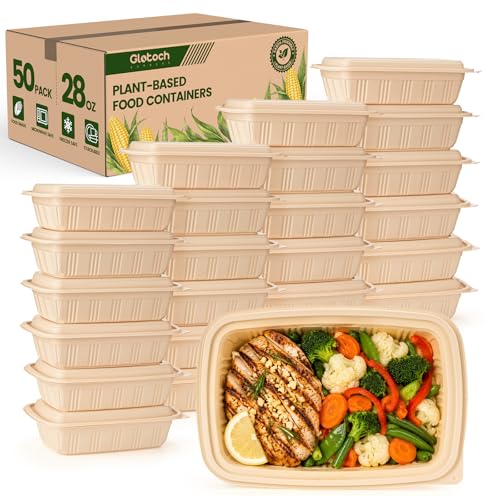
The single biggest space win is to stop storing containers assembled. Same-size bases like the Glotoch 32 oz set nest inside one another to a fraction of their combined height, while lids stack flat in their own bin or file organizer. Standardizing on one or two container sizes, rather than a jumble of shapes, makes nesting far more efficient.
Corral Lids with Dividers
Loose lids are the enemy of an organized cabinet. Stand them vertically in a napkin holder, a plastic file sorter, or a dedicated lid organizer so you can flip to the size you need. Grouping round lids together and rectangular lids together, as with the Dealusy and Freshware sets, means never digging for a match again.
- Use a vertical file organizer to stand lids on edge.
- Keep one bin per lid shape so pairing is instant.
- Label bins if your household shares the cabinet.
Choose the Right Cabinet Zone
Store your most-used containers at eye or counter level and relegate the giant backup packs, like a spare 100-piece bundle, to a higher shelf or the pantry. Deep drawers work beautifully for nested bases, while a shallow upper shelf is perfect for the flat lid bins. Keeping active and reserve stock separate prevents the everyday cabinet from overflowing.
Keep Containers Clean and Odor-Free in Storage
Containers must be bone dry before nesting, or trapped moisture breeds mildew and cloudiness. Let them air dry fully, and for containers that held pungent foods, a quick wipe with baking soda before storing prevents lingering smells. Storing lids off the bases also lets any residual moisture escape rather than getting sealed in.
Tips
- Standardize on one or two container sizes so everything nests and lids interchange.
- Never stack containers while even slightly damp; trapped water causes odors and haze.
- Rotate stock so older economy containers get used before newer ones.
- Keep a small “active set” out and the bulk pack tucked away to reduce clutter.
Frequently Asked Questions
How do I store meal prep containers without losing lids?
Separate lids from bases and stand the lids vertically in a divider or file organizer grouped by size. Pairing becomes instant and lids stop sliding to the back of the cabinet.
Is it better to stack or nest containers?
Nest same-size bases inside one another to save the most space, and store lids separately. Stacking assembled containers wastes vertical room and traps the lids.
How do I stop stored containers from smelling?
Make sure they are completely dry before storing, wipe odor-prone ones with baking soda, and keep lids off so air can circulate. Trapped moisture is the usual culprit behind musty plastic.
Where should I keep a large 50-pack I do not use daily?
Store bulk backups on a high shelf or in the pantry, and keep a smaller active set in your main kitchen cabinet. This keeps the everyday zone uncluttered.
Conclusion
Organized container storage is mostly about two habits: standardizing sizes so bases nest, and corralling lids vertically so they never wander. Add a dry-before-storing rule and a separate home for bulk backups, and your meal prep cabinet will stay as tidy as your Sunday-prepped fridge.



Write Your Review
No reviews yet. Be the first to share your experience!