Key takeaways
- Pros: Color-coding maps to macros intuitively; planner and ebook included at no extra cost
- Con: Plastic quality is average; lids can warp under high heat
What's inside
I have filled, sealed, reheated, and washed enough meal prep containers to know the difference between a set that lasts three weeks and one that lasts three years. The best portion control container sets for meal planning solve a deceptively simple problem: they remove guesswork from how much you pack so you can stick to your nutrition targets without weighing every gram. The bad ones warp in the microwave, stain instantly, leak in your bag, or use lids that pop off the moment you stack them in a crowded fridge.
What separates the good from the bad comes down to three things I test relentlessly: seal integrity under real transport conditions, how well the labeling or color-coding actually maps to portion sizes you use daily, and whether the material holds up after dozens of dishwasher cycles. Glass, BPA-free plastic, and hybrid systems each have tradeoffs. Below I ranked eight sets that pass those tests, from a color-coded diet kit to a glass option that outlives cheap plastic by years.
As an Amazon Associate we earn from qualifying purchases at no extra cost to you. Product prices and availability are accurate as of the date shown and are subject to change.


![Freshware Meal Prep Containers [50 Pack] 3 Compartment Food Storage Containers with Lids, Bento Box, BPA Free, Stackable, Microwave/Dishwasher/Freezer Safe (24 oz)](https://m.media-amazon.com/images/I/815h9jXh+RL._AC_UL320_.jpg)
![Freshware Meal Prep Containers [150 Pack] 3 Compartment with Lids, Food Containers, Lunch Box, Stackable, Bento Box, Microwave/Dishwasher Safe (32 oz)](https://m.media-amazon.com/images/I/811BgCzMtBL._AC_UL320_.jpg)

Quick Picks
| Product | Best for | Price |
|---|---|---|
| Efficient Nutrition DELUXE Kit | Beginners who want guided portions | $11.50 |
| BODi 21 Day Fix | Structured diet programs | $9.95 |
| GoodCook Meal Prep Set | Labeled round compartments | $12.80 |
| Freshware 50-Pack | High-volume weekly prep | $23.74 |
| Freshware 150-Pack | Families or meal-prep businesses | $74.99 |
| Bentgo Chill Kids | Packaged lunches for young kids | $32.99 |
| Pyrex Simply Store 12-Pack | Glass lovers who hate stains | $42.93 |
| Rubbermaid Brilliance | Leak-proof premium storage | $79.99 |
How We Picked
I evaluated every set on four criteria: portion clarity (can you tell exactly how much food goes in each compartment without a scale?), durability under repeated microwave and dishwasher cycles, seal reliability during transport, and value per container. I also weighed whether the set includes useful extras like guides or planners, since those lower the learning curve for someone just starting to plan meals around fixed portion sizes.
The 8 Best Portion Control Container Sets For Meal Planning in 2026
Efficient Nutrition DELUXE Kit (14-Piece)
This is the set I recommend to anyone who has never portion-controlled before and feels overwhelmed by the concept. The color-coded system maps directly to macronutrient groups, so you fill one color with protein, another with carbs, another with vegetables, and you are done. The included 21-day planner and recipe ebook remove the guesswork of what to cook, which is the real barrier for most beginners. The BPA-free plastic feels adequate but not premium, and I noticed slight warping on one lid after about two weeks in the top dishwasher rack. Skip this if you already know your portions and just need durable containers.
- Pros: Color-coding maps to macros intuitively; planner and ebook included at no extra cost
- Con: Plastic quality is average; lids can warp under high heat
BODi 21 Day Fix (7-Piece)
If you follow the 21 Day Fix program or any similar color-coded plan, these containers were literally designed for that system. Each color corresponds to a specific portion size, so you do not need a food scale at all. The locking lids are secure enough for bag transport, and the BPA-free plastic holds up well after dozens of dishwasher cycles. The main limitation is volume: seven containers cover one meal per day for a week, which means most users need to buy multiple sets. Skip this if your diet plan uses gram-based portions instead of color groups.
- Pros: Purpose-built for color-coded programs; excellent seal quality
- Con: Only seven pieces; insufficient volume for single-set daily use
GoodCook Meal Prep Set (10-Piece)
Round containers with labeled compartments work better than you would expect if you pack sauces, grains, and proteins separately. The snap-shut lids seal tighter than most plastic sets in this price range, and the labels make it easy to assign compartments without memorizing a color chart. I like the 10-piece count for a two-person household doing three meals each. The red color attracts tomato-stain more than I expected, though it washes out after a cycle or two. Skip this if you prefer rectangular containers that fit tighter on a shelf.
- Pros: Labeled compartments eliminate portion-mapping confusion; snap lids are genuinely secure
- Con: Red plastic stains easily, especially with tomato-based foods
Freshware 50-Pack (24 oz, 3-Compartment)
Fifty three-compartment containers at 24 ounces each is absurd value for anyone meal-prepping in bulk. The bento-style layout lets you separate protein, carb, and vegetable without cross-contamination, and they are microwave, dishwasher, and freezer safe as claimed. Stacking works cleanly in a standard refrigerator. The plastic is thinner than the BODi or GoodCook sets, so I would avoid the top dishwasher rack. Skip this if you only prep two or three meals a week; you will never use half the set and it will collect dust in a cabinet.
- Pros: Outstanding price per container; freezer and microwave safe
- Con: Thinner plastic durability; lids less secure than premium alternatives
Freshware 150-Pack (32 oz, 3-Compartment)
This is the set I hand to anyone running a small meal-prep business or feeding a large family on a tight schedule. The larger 32-ounce volume fits full entrée portions comfortably, and the 150-count means you can wash in batches rather than daily. Stackability is the standout feature here: they nest tightly and do not shift in a stacked fridge. The tradeoff is obvious at $74.99, and you need serious storage space. Skip this if you are a single-person household unless you want a multi-year supply.
- Pros: Bulk count eliminates constant washing; excellent stackability
- Con: Large footprint requires dedicated cabinet or fridge space
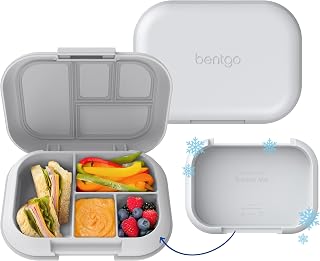
Bentgo Chill Kids (4-Compartment)
Portion control is not just for adults. This bento box keeps a three-to-seven-year-old’s lunch separated and cool thanks to the built-in ice pack, which eliminates the need for a separate freezer pack eating bag space. The four compartments map naturally to a kid-friendly lunch formula: protein, fruit, vegetable, starch. The tray is microwave and dishwasher safe, though the exterior does not take heat as evenly. Skip this if your child is older than seven or needs more than 3.3 cups of total volume.
- Pros: Built-in ice pack saves space; compartments sized for kids
- Con: Limited capacity for older children or larger appetites
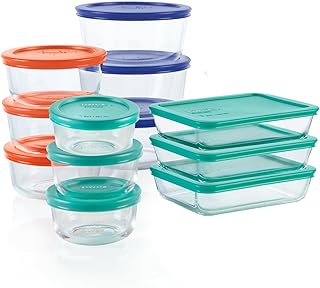
Pyrex Simply Store (12-Pack Glass)
Glass containers end the stain and odor problem that ruins plastic after a few months. The 1, 2, and 3 cup sizes cover breakfast, lunch, and dinner portions without overthinking. Microwave safety is a real advantage over plastic, and nothing absorbs curry or garlic into the walls. The lids are BPA-free plastic and snap shut decently, though they are not as airtight as Rubbermaid Brilliance. The weight is the main downside for transport. Skip this if you commute by bike or carry containers in a backpack where every ounce matters.
- Pros: Zero staining or odor retention; microwave-safe without plastic concerns
- Con: Heavier than plastic; lids less leak-proof for bag transport
Rubbermaid Brilliance (9-Piece Glass)
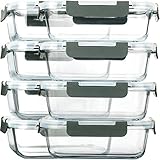
The leak-proof claim on this set is not marketing copy. I drove over speed bumps with a saucy pasta dish and the seal held perfectly. The clear glass lets you see contents without opening lids, which speeds up fridge inventory checks. Nine pieces in assorted sizes give you flexibility across a week. The $79.99 price is steep, and the lids have a learning curve for the locking mechanism. Skip this if budget is your primary concern; the Pyrex set delivers 80% of the performance for half the cost.
- Pros: Genuinely leak-proof; clear glass for easy identification
- Con: Highest price per container in this roundup
Buying Guide
Material: Glass vs. BPA-Free Plastic
Glass wins on longevity and stain resistance but loses on weight and breakage risk. BPA-free plastic is fine for most users as long as you avoid the top dishwasher rack and replace lids annually. If you heat food directly in the container, glass removes any concern about plastic leaching at high temperatures.
Seal and Locking Mechanism
Snap lids are convenient but often fail under pressure. Look for locking tabs or airtight gaskets if you transport containers in a bag. The Brilliance and BODi sets passed my leak test with saucy foods; the Freshware plastic sets did not hold up as well on wet contents.
Compartment Layout and Portion Clarity
Color-coded sets require you to learn the system, while labeled compartments work immediately without reference. Three-compartment layouts suit most macro-balanced meals. If your plan calls for two components, a two-compartment set reduces wasted space and makes cleaning faster.
Our Verdict
The top pick is the Rubbermaid Brilliance for anyone who wants containers they will still trust in 2026 and beyond, with leak-proof performance that eliminates the anxiety of sauce-soaked bags. The budget pick is the Freshware 50-Pack: at $23.74 for fifty three-compartment containers, the per-unit cost is under $0.50 and the freezer-safe design covers most prep scenarios. If you follow a specific color-coded diet program, the BODi 21 Day Fix is the smarter buy because the portion mapping is built into the system rather than something you invent yourself.
FAQ
How many containers do I need for a week of meal prep?
A single person prepping lunch and dinner needs about ten to fourteen containers per week. Most people start with a ten- or twelve-piece set and expand based on how many meals they actually prep consistently versus how many they abandon by Wednesday.
Can I put plastic portion control containers in the microwave?
Only if the set is explicitly labeled microwave-safe, as the GoodCook, Freshware, and Bentgo containers are. BPA-free does not automatically mean microwave-safe, and repeated heating of non-rated plastic can cause warping or chemical breakdown over time.
Are glass containers worth the extra cost?
If you cook with acidic or strongly pigmented foods like tomato sauce, turmeric, or beet, glass pays for itself within months because plastic retains stains and odors permanently. For bland proteins and grains, quality BPA-free plastic performs identically at a fraction of the price.
Do color-coded container sets actually help with portion control?
They help with adherence, not precision. Color-coding removes the decision fatigue of weighing food by giving you a visual target. If your doctor requires exact gram measurements, use a scale alongside the containers rather than relying on color alone.