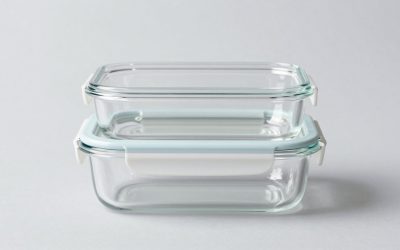
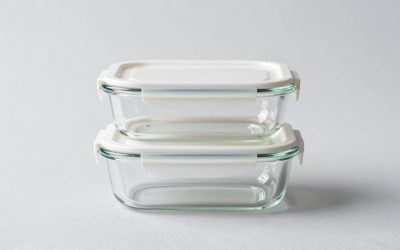
Start with Anchor Hocking TrueSeal if you want a U.S.-made glass body, or check the origin field on the exact Pyrex set you plan to buy. When shopping for glass food storage containers made in USA, confirm where the lids are made if domestic origin matters for every part. Then choose sizes you can fill, stack, and reheat easily.
How to verify glass food storage containers made in USA
Read the origin statement for the exact set and see which parts it covers. A manufacturer may name the glass body while leaving the lid’s origin open. A retailer may list one origin for the set without identifying individual components. Each statement answers a different buying question.
| What the listing says | What you can rely on when shopping | What to check next |
|---|---|---|
| “Glass made in USA” | The claim applies to the glass | Ask about the lid and any separate seal |
| “Made in the USA” on the exact product | The seller presents a U.S. origin claim for that product | Confirm the packaging matches the listing and ask for component details if you require them |
| “Assembled in the USA” | The claim concerns assembly location | Ask where the parts were made |
| “Ships from the USA” | The claim concerns dispatch location | Look for a separate manufacturing statement |
The Federal Trade Commission uses an “all or virtually all” standard for unqualified Made in USA claims. That standard covers U.S. final assembly or processing, significant processing, and component sourcing. If you personally want every part made domestically, including a gasket or a glass lid insert, ask for those details directly. The origin wording on the front of a box may give you less detail than your buying criteria require.
Decide what would satisfy you before comparing a dozen sets. If your priority is buying U.S.-made glass, a clear statement about the base is useful even if the lid’s source is unspecified. If you want a domestic body and lid, get confirmation for both as part of the same purchase. Set that threshold up front so you can spend the rest of your shopping time on the sizes and closures that fit your kitchen.
How to check lids on glass food storage containers made in USA
Find the full model or item number and check the package back, the manufacturer’s page, and any markings on the lid. If the origin statement just names the glass, ask the seller where the lid and seal for that specific bundle are made. Include the lid color and pack size in your question.
The bottom of a glass bowl can help identify the piece, especially in a secondhand set or an older box. It can also carry its own country marking. Use that as evidence about the bowl in your hand. A lid sold with it could come from a different run or could have been replaced since someone first bought the set. For a sealed box, ask for a photo of the side panel that describes the contents and origin.
A short question can save a long exchange. Tell customer service which retailer you are buying from and give the UPC or item number. Ask whether the specific glass bodies and the included lids are manufactured in the United States and whether the answer applies to the current package. If a separate gasket matters to you, ask about it in the same message. Keep the answer with the receipt if country of origin influenced the purchase.
When two listings disagree, compare the item numbers before deciding which information to use. A difference in lid color might be cosmetic, or it might correspond to a different SKU. A replacement part can have its own origin even when it fits the original dish. If the retailer cannot match its statement to the item being shipped, consider a store where you can inspect the package.
Where to start with Anchor Hocking and Pyrex
Anchor Hocking identifies the glass in its TrueSeal family as made in the USA. Target lists specific Pyrex Simply Store sets with a U.S. origin field. Start from those model-specific or family-specific statements and check the package and lid details for the version you want.
Anchor Hocking TrueSeal for larger batches and mixed portions
Consider TrueSeal when you want a manufacturer statement about the glass and a choice of sizes for sauces, individual servings, and leftovers. Anchor Hocking describes the glass in this family as American-made. Its TrueSeal page describes the lids without stating where they are made.
Target lists an Anchor Hocking 14-piece glass TrueSeal set. Confirm the capacities on the selected product or box before ordering. The number of pieces alone tells you little about the number of lunches it can pack. For a household that uses several portion sizes in a single evening, a mixed set can make sense if it includes enough of the middle sizes and one dish big enough for shared leftovers.
When buying for a single purpose, start with one container if you can find the size sold separately. An individual lunch dish needs to clear the bag zipper and leave enough space to eat from it. A dinner storage dish has different priorities. You might prefer a wide base that carries two servings of baked pasta without stacking them, even if the dish is too bulky for a commuter bag.
Anchor Hocking identifies oven, microwave, dishwasher, refrigerator, and freezer use for TrueSeal glass. Check the instructions for the included lid and the specific transition you plan to make. If you primarily cool meals, refrigerate them, and later use a microwave at home, see whether you can uncover the dish quickly and fit it on the turntable. That may matter more than buying extra sizes.
Pyrex Simply Store for small portions and compact storage
Target lists the Pyrex Simply Store six-piece, one-cup round set with assorted plastic lids as Made in the USA. The retailer’s item number is 90669755, and the set has three bowls and three lids. Consider it for sauces, toppings, and small portions that would take up extra room in a full-size dish.
The one-cup set can work well when you often save a serving of chopped toppings or a small side. Three matching bowls simplify lid matching, and a small round footprint can fit next to larger dishes in a fridge. If you prep full lunches, the same set is more likely to work as a companion to your main containers. Choose a larger body with enough room to fit a serving and stir or eat from it.
Target’s origin field covers the retail listing. It gives no separate manufacturing location for each plastic lid. Check the back of the package or ask the manufacturer about the UPC if both parts need to be domestic. Use the same approach when considering a tinted or rectangular Simply Store set. Origin fields and specifications are attached to individual listings.
A round dish is easy to use for soft foods or items you scoop from several times. If most of your meals are sliced or layered, check a rectangular shape first. A sandwich or a slice of lasagna can be awkward in a round container with a similar capacity. Shape can change what fits even when the number of cups looks right.
How to handle origin statements on similar-looking sets
Store pages may show several lines with the same brand and different closures. Use the product family name as well as the item number when matching what you see online to what you find in the aisle. A snap-on lid and a hinged locking lid can belong to separate lines with different origin information.
For example, Macy’s labels an Anchor Hocking 10-piece TrueLock locking-lid set as “Made in USA and Imported.” This phrasing leaves the origin of individual parts unspecified. If you need a U.S.-made body and have only that listing, ask which part is domestic before buying. For TrueSeal, Anchor Hocking gives a separate statement specifically about its glass. Keep the two statements attached to their respective lines.
When shopping in person, photograph the product number and origin panel if you plan to reorder later. When shopping online, check that the seller is supplying the exact version shown in the listing. The product name, lid color, and piece count are useful minimum details. If you are offered a substitute after placing a pickup order, look at the new box before accepting it.
Choose a size that fits your food and your shelves
Fill a dish you already own with a typical portion of the food you want to save. Measure how much room it needs with the lid closed and how wide the piece of food is. Use those measurements to compare the new container’s capacity, shape, and actual footprint.
Match the shape to the portion
For toppings or a small side, start by checking a one-cup shape. For a full lunch or dinner leftovers, measure the portions you serve and leave room for the lid and for a fork or spoon. Look at the inside width as well as capacity when you regularly save sandwiches or squared-off servings.
A tall container can save shelf area for foods that stack easily inside it. A wide, shallow one can give you room to lay out roasted vegetables or a slice of casserole. If you usually reheat only half of yesterday’s dinner, divide it into two dishes while packing. That helps you retrieve one portion at a time and tells you whether buying two matching midsize dishes makes more sense than one large box.
For glass going into a lunch bag, check the bag at the zipper and measure with any ice pack you normally use already inside. The part of the bag with the most room may be below a narrower opening. A rectangular lid with protruding latches may catch on the zipper even when the base would fit. At home, measure the same width against a rotating microwave tray if you expect to heat meals in it.
If matching dishes are going on one shelf, make a paper template of the largest footprint, including the lid. Lay out enough copies for one prep session. Check whether you can reach the back containers while the front ones stay in place, and whether the extra height of a lid leaves space to lift a dish from a stack. That can help you decide between a narrow mixed set and a few identical dishes.
Read the appliance instructions for the base and lid
Read the directions for each component before choosing a set for oven reheating, microwave lunches, or freezer meals. Check which parts the manufacturer allows in each appliance. A glass base can suit one reheating method while the included lid is designed for storage.
If you mainly heat in the microwave, look for the manufacturer’s instructions on removing or venting the lid. If you use an oven, check the approved arrangement for the glass body and how it should be handled before and after heating. When freezing leftovers, follow the directions on fill levels and temperature changes. Check that the container supports the steps you actually take between the freezer and the table.
For a home cook who wants one dish for storage and occasional reheating, the most useful purchase may be two duplicate sizes that can both fit the same shelf and microwave. For a household that frequently packs sliced food or separates toppings, matching the lid sizes may matter less than finding a mix that handles those different portions.
The best time to read the cleaning instructions is before you add extra lids to the cart. Check whether the lid goes on the top rack, how its underside can be cleaned, and whether a seal can be removed. If you hand wash only occasionally, a lid that needs special care may make an otherwise suitable glass set harder to use every day.
Decide what is worth paying for
Compare the total cost per covered dish you will actually use. Include the price of any separately sold lids and the delivered or pickup cost. If a set was appealing because of its origin statement, budget for a configuration with the same documentation when you later buy additional pieces.
Suppose a hypothetical $28 bundle has six bowls with lids, but only four are useful for your regular meals. That is $7 per frequently used covered dish before tax and shipping. Suppose another seller offers four covered dishes in your preferred size for $24. That works out to $6 each, although pickup or delivery could change the comparison. Use this method with the offers you see at checkout.
Replacement parts change the equation. Ask whether lids are sold alone and whether the replacement part is listed for your specific glass shape. Diameter can help narrow a search for a round lid, while the model number and lip shape determine the fit. If domestic origin matters to you for replacements, check the new lid’s documentation when you buy it.
If you want a set for liquids in a work bag, make the seal the next check after origin. Look for a manufacturer statement about carrying liquids in the exact product you are considering. A lid that works well for an upright bowl of fruit in the refrigerator may have a different use case from one intended to carry soup. Choose by the directions for the closure and the position the dish will sit in the bag.
What to do when the product page leaves out a detail
Verify the detail that would change your decision before committing to a large bundle. If you need a specific lid origin, a different size, or a particular reheating routine, ask about that part using the item number. Save the model and UPC so you can match any answer to the box.
If the merchant can confirm only the bowl’s manufacturing origin, decide whether that meets the purchase you planned. For a buyer who wants a U.S.-made glass base, the relevant question may already be answered. For a buyer who requires a domestic lid as well, checking another model may be more useful than guessing from the brand name or what a review said about an older purchase.
For small first purchases, a store where you can see the label and feel the closure can be worth a visit. If the dish works for a week of ordinary meals, use the item number to add matching pieces. That way, the price premium, lid fit, and shelf space are all tied to a container you would buy again.
If the origin statement differs when the item arrives, compare the box against the model you ordered before washing or using it. The box can reveal a different lid or bundle that was hard to spot in the retailer’s photos. Ask the seller to reconcile the two descriptions while you still have the packaging and order details.
Conclusion
Choose a set with a U.S. origin statement that covers the parts you care about, then check the exact item number before buying. TrueSeal is a starting point for U.S.-made glass, and specific Simply Store sets carry a U.S. origin listing. Confirm the lid separately if it matters to your purchase.
More from Amazon
Programs that pair well with the guide above. Offers and eligibility are set by Amazon and may change.
Set up recurring deliveries of everyday items on eligible products. Terms and savings are set by Amazon.
Explore Subscribe & SaveCollect the home and kitchen items you want in one registry that guests can shop from.
Create a wedding registryFree shipping on eligible items, Prime Video and more. Eligible new members can start with a free trial.
Start a Prime free trialAudiobooks and podcasts to listen to on the go. Eligible new members can start with a free trial.
Try Audible freeAs an Amazon Associate we earn from qualifying purchases.