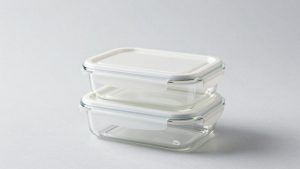
Rubbermaid Brilliance is the best overall pick among the best quality plastic food storage containers for everyday leftovers and packed lunches. The clear bodies make food easy to spot, and the latching lids suit frequent use. For dry pantry staples or a drawer full of loose lids, a purpose-built option makes more sense.
Quick verdict on the best quality plastic food storage containers
Buy the Rubbermaid Brilliance 20-piece plastic set if you want one system for condiments, individual portions, and larger leftovers. Its mix of sizes is particularly useful when your storage needs change from day to day. For five identical lunches, buy a repeated size instead of a mixed set.
| Product | Best for | Capacity or set makeup | Closure | Main trade-off |
|---|---|---|---|---|
| Rubbermaid Brilliance Plastic 20-Piece Set | Everyday fridge storage and occasional packed lunches | 10 bases, 0.5 to 9.6 cups | Two latches with a seal | Four of the bases hold just half a cup |
| Rubbermaid EasyFindLids With Vents 24-Piece Set | Nested storage and lid organization | 12 bases with lids | Press-on lids, with vents on select sizes | Keep liquid-heavy portions upright |
| Snapware Total Solution Plastic 10-Piece Set | A small household that wants four-latch lids | Five bases, 1.2 to 8.2 cups | Four locking latches | Mixed shapes require several lid matches |
| Sistema KLIP IT 2 L Rectangle | Flat storage for batch-prepped ingredients | 2 L, about 8.5 cups | Side clips and flexible seal | Wide footprint uses more shelf area |
| Ziploc Twist ’n Loc Medium | Round, screw-top storage for wet leftovers | 4 cups per container | Threaded lid | Round sides leave gaps in a tight row |
| OXO Good Grips POP Big Square Short | Dry pantry staples | 2.8 qt | Push-button lid | About 6.3 inches of shelf depth before clearance |
How we chose the best quality plastic food storage containers
We compared U.S. product specifications for closure design, usable sizes, cabinet storage, and cleaning instructions. Where an independent review tested a different bundle from the same product line, we used its findings as context and kept the exact set contents tied to the manufacturer’s listing.
Quality means different things depending on what the container has to do. For a commute, a secure closure and a rim you can wipe clean matter more than how many sizes come in the box. For a kitchen that goes through a stack of leftover containers every week, lid matching and empty storage can matter more. A pantry container earns its place when it fits the shelf and lets you scoop or pour the ingredient you actually buy.
This roundup uses manufacturer and retailer specifications alongside published testing. We did no detailed research for this article. EatingWell reported no leakage in its tests of a Brilliance 14-piece set. That result supports the design choice, while the 20-piece set recommendation also depends on Rubbermaid’s published size assortment. The other picks address specific jobs based on their design and documented features. The rankings do not depend on current prices or a single side-by-side durability test across all six models.
The six plastic food storage containers worth buying
Start with the container you reach for most often. A mixed set can handle a rotating menu, while a single shape can make a crowded fridge much easier to use. The picks below cover both approaches, plus a dry-storage option for kitchens where opened bags take up most of the pantry space.
Rubbermaid Brilliance Plastic 20-Piece Set for everyday use
The Brilliance set is our best overall choice because the clear bodies and latching lids work for several common jobs. You can see what is inside a stack, give wet leftovers a dedicated container, and keep small sides separate. This particular bundle makes the most sense when you use a wide range of capacities.
There are ten containers and ten lids. The bases include four 0.5-cup, two 1.3-cup, one 3.2-cup, two 4.7-cup, and one 9.6-cup container. That distribution tells you more than the piece count. The half-cup sizes suit dressing, toppings, or a small amount of leftover sauce. The two 4.7-cup bases are better candidates for individual meals with bulky ingredients. The 9.6-cup base gives you a place for a larger batch, though there is only one.
The latches give you a clear closure step on each side. Look around the rim after filling it, especially if a grain of rice or a strip of vegetable is caught where the lid seats. A seal can only work as intended when the lid sits evenly. The clear base also helps when stacking food behind other items, since you can identify a portion before lifting the whole stack.
Buy it if you regularly store both small extras and full portions, and sometimes carry lunch. Skip this bundle if you pack the same portion five times every Sunday. A multipack of matching Brilliance rectangles makes it easier to lay out portions, stack them, and replace a missing base with another from your own set.
Rubbermaid EasyFindLids With Vents 24-Piece Set for compact cabinets
EasyFindLids solves the problem of storing a stack of empty containers alongside a loose pile of lids. The bases nest, and the lids can snap onto compatible bases and same-size lids. This makes the set a good fit for a busy kitchen that repeatedly stores and reheats leftovers at home.
The 24-piece package counts lids as pieces. Judge it as 12 containers with lids. When you put the set away, group lids by actual footprint. A small base may look similar to the next size up in a deep drawer, but stacking the lids into their size groups makes the differences easy to see. If you keep containers on a tall shelf, nesting the bases also leaves room for a separate stack of frequently used lids.
The vent is useful on the sizes that have one. Confirm which lids are vented before choosing a container for a work lunch or assigning one size to microwave leftovers. Follow the directions on that lid. A vent feature answers a reheating question, while a commuter needs to consider how well the closure handles movement and tipping.
Buy it if you have limited space for empties and mostly use containers between the refrigerator and the kitchen counter. Skip it for a bag that frequently carries broth or saucy meals at an angle. Brilliance is the better fit for a rectangular latching design, while Ziploc Twist ’n Loc is the simpler option if you like screwing on a round lid.
Snapware Total Solution Plastic 10-Piece Set for a small household
The Snapware 10-piece set gives a small household five containers with four-latch lids. The two matching 3-cup rectangles suit individual portions, and the larger rectangle covers a shared leftover. Smaller round and square bases handle snacks or sides that would otherwise get lost in a large container.
The listed model is 1111682. It includes a 1.2-cup round, a 1.3-cup square, two 3-cup rectangles, and an 8.2-cup rectangle. Check the word “plastic” and the contents list when ordering. A bundle with the same family name can contain different sizes or a different base material. The two 3-cup bases are the useful repeat here, so this kit makes sense for two people packing similar portions or for someone rotating two lunches.
Four latches give you a closure point on each side. Set the lid squarely on the rim before closing them so you can tell if a corner is sitting high. The extra latches also mean extra motions every time you open and close a container. If you often hand a container to someone who struggles with stiff tabs, have that person try the closure before committing to a full set.
Buy it if you want a compact assortment with two matching lunch sizes and one larger base. Skip it if you want a single lid size throughout your drawer. Even with just five bases, the mix of circles, squares, and rectangles requires keeping several different lids within reach.
Sistema KLIP IT 2 L Rectangle for batch-prepped ingredients
The Sistema KLIP IT 2 L Rectangle is a shallow, wide choice for storing prepped ingredients together on a refrigerator shelf. At about 9.3 inches long, 6.7 inches wide, and 3.1 inches high, it can use a low shelf that would be awkward for a taller tub of the same capacity.
The U.S. model shown by Sistema is style 1700ZS. The side clips hold a lid with a flexible seal, and the rectangular footprint is useful for flat items such as tortillas, cut sandwich vegetables, or neatly arranged portions of cooked ingredients. If you stack a second box on top, check your shelf height with both lids installed. A box can fit on paper and still be difficult to lift out past the front lip of a shelf.
The wide shape takes up more shelf area than a deep tub. In return, you can see and reach more of the contents at once. That makes a difference when you want to remove a few pieces of food during the week without digging through several layers. Sistema specifies top-rack dishwasher cleaning for this line. Check whether your rack can take the broad base without forcing it against taller items.
Buy it if you store flat batches or want to use a shelf with limited vertical clearance. Skip it if the box must ride sideways in a work bag or if your refrigerator has very little open shelf area. Use the model number when shopping because similarly named Sistema lines can have different seals and clips.
Ziploc Twist ’n Loc Medium for a screw-top container
The 4-cup Ziploc Twist ’n Loc Medium is the pick for shoppers who prefer a threaded lid to individual tabs. The round shape suits wet leftovers you plan to spoon out, while the lid closes with a twist. Ziploc describes the container as leak-resistant, so upright transport is still the practical choice.
A four-cup rating describes the nominal capacity. If you are packing something that can slosh, leave room between the food and the lid. Set the lid level before turning it so the threads engage evenly. If it immediately feels stiff or looks tilted, back it off and start again. This small check is particularly useful when closing a container in a hurry.
A round base can be convenient for scooping chili, lentils, or yogurt because you can run a spoon around the perimeter without working into corners. The same shape can be less efficient if you want three containers flush across a narrow shelf. Consider how you carry it, too. A deep round container may fit a tall lunch tote more comfortably than a slim case made for flat bento boxes.
Buy it if you pack wet leftovers upright or want a straightforward screw-top for the fridge. Skip it if you need broad space for a sandwich or a row of tightly packed rectangles. When reheating, follow the package directions for the lid. A threaded lid’s normal transport position and its microwave position serve different purposes.
OXO Good Grips POP Big Square Short for dry pantry staples
The 2.8-quart OXO POP Big Square Short suits dry staples you reach for often, such as granola, sugar, or rice. Its broad opening makes room for a scoop, and the push-button lid suits frequent opening. Measure the shelf first because this short model still needs a square footprint and room above the lid.
OXO lists the dimensions at about 6.25 by 6.3 by 6.75 inches. If you plan to line up three, budget about 19 inches across before adding space to slide them out. Check the depth behind the door hinge, particularly on shallow upper cabinets. If the container fits only behind the hinge, opening the cabinet door fully every time may be more trouble than keeping the ingredient in its bag.
The opening makes this model a good fit when you scoop a wide measuring cup. If you mostly pour small amounts of rice directly into a cooker, a narrower dispenser may be easier to handle one-handed. A volume rating also does not establish how much a particular bag will hold by weight. Ingredient density and settling affect the result. Check the package volume or measure a usual bag if fitting the whole thing matters.
Buy it for a frequently used dry ingredient and a shelf with enough room to lift the lid. Skip it for soups, packed lunches, or a pantry so narrow that the container blocks access to other items. One measured container for your most-used ingredient is a sensible starting point before building a matching row.
How to choose a set you will use every week
Take inventory of what actually goes into your refrigerator, freezer, lunch bag, and pantry. Measure your usual portions and the space that will hold them. A set that matches three recurring jobs can save more effort than a larger assortment with duplicate sizes you rarely reach for.
Count useful bases and check lid compatibility
Start with the number of meals or leftovers you need to store at once. A 20-piece set may have ten bases, but several of those bases may be too small for your regular lunch. Count only the sizes that solve a weekly problem, then check whether your most-used size shares a lid with another base you expect to buy.
A household that packs five meals needs five containers that can take the same serving. A mixed set suits the family member who also stores dressing, sliced fruit, and leftover roast vegetables. If both needs occur in your kitchen, buy the repeating lunch size first, then fill genuine gaps with singles. This also makes it easier to compare sets when one brand counts lids and another highlights the number of containers.
Match the seal to the way you carry food
A container that sits flat in a refrigerator has a simpler job than one that rides on its side in a backpack. For wet food on the move, check what the maker says about leakage and whether independent testing covers the same closure. Keep the lid rim clean and check that every latch or thread is fully engaged.
To check a new container at home, put cool water inside, close it as directed, and tilt it over the sink. Inspect the seam before and after turning it in the positions it might take in your bag. This can catch an obvious seating issue or a damaged rim. A brief water check cannot tell you how a worn container will perform months later, so inspect it again if it starts closing differently.
Check the full footprint and the cleaning instructions
Measure the container with the lid on, then leave room to lift it past the shelf edge. Measure the tightest part of your lunch bag, which may be the zipper opening. For dishwasher use, check where the brand says the base and lid can go and whether both will fit comfortably in the required rack.
Lids with valves, threads, or a recessed seal may collect residue in places a flat lid does not. Follow the manufacturer’s cleaning directions, including any instructions for parts that can be removed. Let pieces dry before stacking them away. When comparing two sets, picture cleaning the lid after a sticky sauce or an oily dressing. A closure that is easy for you to clean consistently is often the more practical purchase.
Frequently asked questions
The most useful answers depend on the exact base and lid in the box. A familiar family name may cover several materials and configurations, and a symbol on the base may apply only to that part. Check the package and care sheet when you are deciding how to heat, freeze, or wash a particular container.
Can you microwave and freeze the same plastic container?
Some models are rated for both uses. Check the directions for the specific base and lid, including whether the lid should come off or vent in the microwave. If you plan to freeze a liquid, choose a freezer-rated container and follow its fill guidance so the contents have room to expand.
An everyday example is freezing individual portions of soup and reheating one at work. You need a lid that closes properly during storage and transport, plus a microwave procedure you can follow at lunchtime. If your existing containers meet only one of those needs, use them for that job and transfer the food to a suitable dish for reheating.
When is it time to replace a plastic container?
Replace a base or lid if a crack, warped rim, or broken latch prevents the lid from seating evenly. If a box will carry lunch in a bag, pay particular attention to changes in how it closes. First check whether the manufacturer offers a replacement that matches your exact shape and product generation.
A missing lid can also be a reason to standardize on a repeated size, particularly if you keep retiring otherwise usable bases. Check the part number or compatibility information before ordering. Two lids can look alike from above and still differ at the corners, hinge points, or sealing surface.
Conclusion
Choose Rubbermaid Brilliance for a mix of leftovers, lunch portions, and small sides. Pick EasyFindLids when cabinet space and lid matching matter most, or buy repeated containers when every portion is the same size. For dry staples, measure your shelf and start with the OXO POP size you will reach for most often.
More from Amazon
Programs that pair well with the guide above. Offers and eligibility are set by Amazon and may change.
Set up recurring deliveries of everyday items on eligible products. Terms and savings are set by Amazon.
Explore Subscribe & SaveCollect the home and kitchen items you want in one registry that guests can shop from.
Create a wedding registryFree shipping on eligible items, Prime Video and more. Eligible new members can start with a free trial.
Start a Prime free trialAudiobooks and podcasts to listen to on the go. Eligible new members can start with a free trial.
Try Audible freeAs an Amazon Associate we earn from qualifying purchases.