Key takeaways
- Buy if you want an everyday glass dish with disclosed lid and seal materials and can hand-wash the lid.
- Skip if you need a lid for freezer use or a dishwasher-only cleanup routine.
The best non toxic food storage containers for everyday leftovers have clearly identified materials and care instructions. Start with IKEA 365+ glass and bamboo for home use, WECK jars if you prefer a glass lid, or Ello Duraglass Refresh for five matching lunches. Check the seal material and heating directions before buying.
Best non toxic food storage containers at a glance
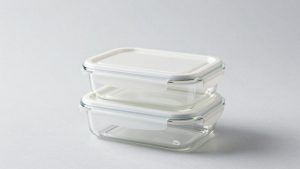
IKEA 365+ glass with a bamboo lid is the first pick for refrigerated leftovers you plan to reheat at home. IKEA identifies the glass body, the finish on the bamboo lid, and the silicone seal. If you also want the lid itself to be glass, the WECK 742 gives you that option in a smaller, upright format.
| Product | Body | Lid or closure | Best use | Main trade-off |
|---|---|---|---|---|
| IKEA 365+ glass/bamboo, 34 fl oz | Heat-resistant glass | Acrylic-lacquered bamboo and silicone seal | Refrigerated leftovers and reheating in the base | Hand-wash the lid and remove it for heating |
| WECK 742 Mold Jar, six-pack | Glass | Glass lid, rubber ring, metal clamps | Upright storage and small portions | More pieces to assemble and clean |
| Ello Duraglass Refresh, undivided five-pack | Glass with exterior silicone boots | Snap-lock lid | Matching work lunches, 3.4 cups each | Remove the lid for microwave or oven use |
| OXO Smart Seal Glass 12-piece set | Borosilicate glass | Plastic lids with removable gaskets | Sauces, toppings, and small sides | One 3.5-cup dish in the set |
| IKEA 365+ stainless steel/plastic, 34 fl oz | Stainless steel | Polypropylene lid and silicone seal | Cold lunches and meals you transfer before heating | Opaque body and a separate dish for microwave use |
| Stasher Stand-Up Mid Bag, 56 fl oz | Silicone | Integrated pinch seal | Frozen fruit and flexible storage | The opening is less accessible than a wide dish |
Treat “non toxic” as a shopping phrase and use the details in the table to narrow the search. Glass on the product label may describe just the base. A lid can still use plastic, lacquer, a gasket, or a combination of materials. Food may contact those parts if you overfill the container, store it sideways, or carry a liquid that reaches the lid. A product’s appliance instructions also matter when the materials used for the base and lid differ.
How we chose the best non toxic food storage containers
We looked for named materials, published care instructions, and a design that makes sense for an identifiable storage task. The six picks cover rigid glass, stainless steel, and flexible silicone. The comparison also accounts for the food-facing lid and seal where the manufacturer describes those parts.
This is a comparison of U.S.-facing manufacturer listings checked on November 13, 2026. The picks are based on the published construction and use directions. They have not been ranked by chemical migration, leak testing, or drop testing. The FDA describes food-contact regulatory status in terms of the individual substances and the intended conditions of use. A named material or a single absence claim on a listing gives a buyer only part of that information.
Which container should you buy for your routine?
Start with what you store, how you carry it, and whether you will reheat it in the same dish. Those three questions tell you where the food is likely to touch the container and which care instructions matter. A lid that works well on a fridge shelf may be inconvenient if you carry soup on its side.
IKEA 365+ glass with bamboo lid for leftovers at home
The IKEA 365+ 34-ounce glass and bamboo container, article 795.670.09, is the most practical starting point if you want a glass dish with a rigid lid other than molded plastic. IKEA specifies heat-resistant glass, bamboo finished with clear acrylic lacquer, and a silicone rubber seal in the lid assembly.
The rectangular base works for portions such as roasted vegetables, a serving of pasta, or a few pieces of chicken. At home, you can see what is inside and reheat the food in the base according to the product instructions. IKEA allows oven and microwave use for the glass and directs you to leave the lid out. The glass goes in the dishwasher, while the bamboo lid should be washed by hand. That extra step is manageable for a few dishes and worth considering if you plan to replace a whole set.
Check that the lid suits your storage routine. This version makes the most sense upright on a shelf, where a simple cover is easy to remove before heating. If you prefer a glass lid as well as a glass base, look at the WECK jar. If you need a lid with a published leakproof claim for a work bag, consider the Ello set and follow its packing directions.
- Buy if you want an everyday glass dish with disclosed lid and seal materials and can hand-wash the lid.
- Skip if you need a lid for freezer use or a dishwasher-only cleanup routine.
WECK 742 Mold Jar for a glass lid and upright storage
The WECK 742 Mold Jar set includes six jars, six glass lids, six rubber rings, and twelve metal clamps. WECK lists the volume at 19.6 fluid ounces per jar. This design suits a shopper who wants a glass surface at the top of the container and is comfortable using a separate rubber ring for the seal.
A jar works well for overnight oats, cut fruit, or other portions you can spoon in and out from above. The wide opening makes it easier to fill than a bottle, but a sandwich or large pieces of food fit better in a low rectangular dish. The clear sides help identify each portion in a row, especially when the jars have the same shape. Leave room above them to lift a jar out without knocking the ones next to it.
Opening and closing takes more steps than using a snap lid. You handle the clamps, lid, and rubber ring separately. That can be fine for prep you do in one batch, but less convenient if you open the jar several times a day. The glass lid reduces the amount of rigid plastic in the closure, while the rubber ring is still part of the food-facing assembly. Check the maker’s instructions for any use beyond ordinary storage.
- Buy if the glass lid matters to you and you store small servings upright.
- Skip if you want a single-piece closure, a shallow lunch box, or a container for food you eat directly with a knife and fork.
Ello Duraglass Refresh for matching glass work lunches
The undivided Ello Duraglass Refresh five-pack contains five matching 3.4-cup glass dishes with snap-lock lids and protective silicone boots. It is the pick for recurring work lunches because you can portion several meals into the same capacity and get the same fit in your lunch bag each day.
The silicone boot is on the exterior of the glass dish. Its job is to add a grip and a protective layer, so distinguish it from the components that may contact food inside the closed box. The manufacturer describes the snap lids as leakproof. Check the lid for crumbs or food around the rim when packing a wet lunch, and keep the container upright when practical. A leakproof claim is about the assembled closure under its intended use.
Ello directs users to remove the lid for microwave and oven use. If you often reheat a saucy lunch at work, consider where you will set the lid and whether the office has a microwave-safe splatter cover. The glass base works as the eating dish, which can simplify a lunch that otherwise needs a separate plate. For meals with a cold topping, bring the topping in its own small container so you can heat just the entrée.
- Buy if you want five uniform glass boxes with a protective exterior boot.
- Skip if you require a glass lid or prefer a mixed-size bundle for leftovers that vary from a spoonful to a full meal.
OXO Smart Seal Glass for sauces and smaller portions
The OXO Good Grips Smart Seal 12-piece set, SKU 11436500B, uses borosilicate glass bases and plastic locking lids. Six dishes are included. Four are 1 cup or smaller, which makes the assortment useful for sauces, toppings, and snacks that would take up unnecessary room in a full-size lunch box.
Use the two 4-ounce rectangles for small add-ons, such as dressing or chopped toppings. Two 1-cup rounds fit larger sides. The remaining dishes hold 1.6 and 3.5 cups. Think about which sizes will be in use at the same time. For a packed lunch, you can put a warm main in the larger glass dish and carry a cold sauce in a small one. For five identical entrées, the set has too few matching main dishes.
OXO specifies a removable gasket and four locking tabs. A removable gasket gives you access to the groove if residue collects there after storing a sticky sauce. Follow the care directions, let parts dry, and check that the seal sits evenly when you put it back. Borosilicate describes the base. Use the exact product directions when deciding how to heat the dish or move it between cold storage and an appliance.
- Buy if you need several small glass dishes and want access to the lid gasket for cleaning.
- Skip if most of what you prep is a full-size meal. Ello is a closer fit for uniform lunches.
IKEA 365+ stainless steel for cold lunches
The IKEA 365+ stainless steel container, article 595.671.09, pairs a 34-ounce metal body with a polypropylene lid and silicone rubber seal. Choose it if you prefer a metal base for a sandwich, a grain salad, or another meal you eat cold or transfer to a plate before heating.
The steel base is opaque, which makes labeling more useful if you stack several portions in a shared refrigerator. If you usually eat straight from the box, the rectangular body gives you room to lay food flat. For a packed lunch that needs reheating, plan to transfer the contents to a microwave-safe dish. That step matters more when your office has few dishes or when you want to minimize cleanup.
Check the lid as carefully as the body if your preference is to limit contact with plastic. A stainless steel base gives food a metal surface to rest on. The underside of the lid and the seal can still touch food when you fill it high or tip the container. Keeping the meal upright and leaving some clearance can help keep a solid portion below the lid. A buyer who specifically wants a glass lid should compare the WECK design.
- Buy if you want a rigid metal body and usually eat cold lunches or have a plate available for reheating.
- Skip if you want to see the food through the sides or heat it in the same container in the microwave.
Stasher Stand-Up Mid Bag for flexible freezer storage
The Stasher Stand-Up Mid Bag holds 56 fluid ounces and uses a silicone body with an integrated pinch closure. It fits irregularly shaped ingredients and makes sense when a rigid box is awkward to arrange in a freezer drawer. The standing base helps hold the pouch upright as you fill it on a counter.
Use it for frozen fruit or ingredients you expect to pour or spoon into another dish. For example, you can keep berries in the pouch and take a small amount out each morning. If you want to freeze a complete individual meal, consider whether you need a wide opening to remove the food or a rigid dish that can double as a plate. The 56-ounce size may make more sense for a shared ingredient than for a single serving.
The flexible seal needs access for cleaning, particularly after thick sauces. Inspect the groove and allow the inside to dry before putting the bag away. Follow Stasher’s care directions for the appliance and temperature you plan to use. The product’s silicone construction is a useful option for a buyer who wants a reusable pouch without a separate rigid lid or clips.
- Buy if flexible shape is the main advantage you need.
- Skip if you want to stack uniform lunches or eat directly from a flat, rigid dish.
How to read food storage material claims
Use product specifications to answer three practical questions. Identify what can touch the food, check whether the manufacturer permits the way you plan to use it, and determine how the parts can be cleaned. These answers give you more detail than a broad claim on the front of a box or in a product title.
Check which parts can touch food
Start with the inside of the base and the underside of the lid. Look for details about coatings, gaskets, and finishes as well as the main material. A silicone grip around the outside of a glass dish has a different job from a silicone gasket inside a lid. A glass lid can also sit on a separate rubber ring.
Think about your most demanding ordinary use. When a dish sits upright in the fridge, solid food may rest below the lid. When you commute with soup or dressing, the liquid may contact the closure even if the container started upright. If the lid or liner material is central to your choice and the listing omits it, look for a care sheet or ask the manufacturer for that specific information. A material disclosure also makes it easier to choose a replacement lid later.
Read absence claims in their stated scope
A claim about one substance tells you what the manufacturer is saying about that substance. Start by checking whether the claim applies to the base, the lid, or the entire item. Then verify which use it describes. The kind of food, heating conditions, and the time it stays in contact can matter to an assessment.
Look for product-specific supporting information when a broad assurance is important to your buying decision. FDA guidance treats food-contact substances and conditions of use specifically. A statement for an ingredient or a resin does not by itself establish which materials are in every part of a finished container. For day-to-day shopping, a clear parts list and matching care instructions let you compare products on facts you can verify. If a brand supplies a test report, check that it names the same item and the conditions relevant to your use.
Match heating and cleaning instructions to the exact model
Check the directions for the base, lid, and any removable pieces. An oven-rated glass dish may have a hand-wash-only cover, as the IKEA bamboo model illustrates. Choose a container whose instructions fit your habits, including how you cover food in the microwave and where you put the lid while you eat.
After cleaning, give gaskets and grooves time to dry before reassembling them. If a gasket no longer sits flush or the lid no longer closes properly, check whether the brand sells a compatible replacement. Before moving a dish from a freezer or refrigerator into a hot appliance, check the permitted temperature transitions for that product. Manufacturer instructions for one glass line may differ from those for another line. Buying fewer pieces that match your routine can be more useful than buying a larger set whose lids or shapes you rarely use.
Conclusion
Choose IKEA glass with bamboo for everyday leftovers and WECK if a glass lid is your priority. Ello suits five matching lunches, stainless steel works for cold meals, and Stasher fits a crowded freezer drawer. Use the manufacturer’s parts list and care directions to decide which design fits your kitchen.
More from Amazon
Programs that pair well with the guide above. Offers and eligibility are set by Amazon and may change.
Set up recurring deliveries of everyday items on eligible products. Terms and savings are set by Amazon.
Explore Subscribe & SaveCollect the home and kitchen items you want in one registry that guests can shop from.
Create a wedding registryFree shipping on eligible items, Prime Video and more. Eligible new members can start with a free trial.
Start a Prime free trialAudiobooks and podcasts to listen to on the go. Eligible new members can start with a free trial.
Try Audible freeAs an Amazon Associate we earn from qualifying purchases.