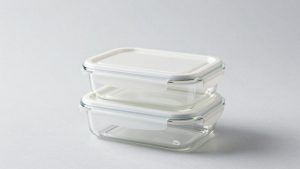
The best material for meal prep containers is glass if you mostly reheat meals at home or at work and can carry the extra weight. Choose microwave-rated rigid plastic for a lighter packed lunch, stainless steel for meals you eat cold, or silicone pouches for ingredients you need to fit into a crowded freezer.
The best material for meal prep containers by routine
Glass is the best starting point if you portion several meals at once and reheat in the same dish. Rigid plastic makes the most sense when you carry lunch alongside a laptop and a water bottle. Steel works for cold meals, while a flexible silicone pouch earns its space when you freeze ingredients in uneven portions.
| Product | Main food-contact material | Best for | Main trade-off |
|---|---|---|---|
| Pyrex 10-piece Glass Meal Prep Set | Glass body, plastic lid | Five matching reheatable meals | Glass adds carrying weight |
| Rubbermaid Brilliance 3.2-cup plastic two-pack | Clear rigid plastic | A lighter lunch bag | Check care instructions for the lid and base |
| IKEA 365+ 34-ounce rectangular steel/plastic | Stainless steel body, plastic lid | Cold lunches | Plan to transfer food if reheating |
| Stasher Stand-Up Mid | Silicone | Freezer ingredients and flexible portions | Soft sides need support during filling |
| IKEA 365+ 34-ounce rectangular glass/bamboo | Glass body, coated bamboo lid with silicone seal | Fridge-to-table dinners | Hand-wash the lid |
| Weck 742 Mold Jar | Glass jar and lid, rubber ring | Overnight oats and spoonable breakfasts | Two loose clips per jar |
The picks reflect published U.S. product information checked November 13, 2026. The comparison weighs portioning, closure design, appliance instructions, and whether the container fits a home or commuting routine. It is an editorial comparison without detailed research.
Six containers for different meal prep routines
Think about the last step in your routine before buying a set. If the meal goes straight from your fridge to a work microwave, choose a shape you can carry, heat, and eat from comfortably. If you prep ingredients for cooking later, a pouch that fits between freezer packages can be more useful than a full-size lunch box.
Pyrex 10-piece Glass Meal Prep Set for repeatable portions
The Pyrex set contains five matching 3-cup rectangular glass dishes and five plastic lids. That gives you one dish for each weekday and makes it easier to divide a recipe evenly. The rectangular footprint is useful when you want to spread out grains and vegetables so the meal is easy to stir while reheating.
Before buying, portion one of your regular lunches into a dish you already own. If you need all 3 cups for food before adding dressing or toppings, allow more room for stirring or pack the extras separately. A set with uniform dishes helps only if the size suits the meals you make most often.
Buy if you reheat most meals and want matching dishes. Skip if five glass dishes are too heavy for your routine or if you want a glass lid as well as a glass body. Follow the product directions for heating and removing or venting the lid.
Rubbermaid Brilliance 3.2-cup plastic two-pack for commuting
The clear plastic Brilliance two-pack is a sensible choice when you carry one lunch and keep a second meal ready in the fridge. Each box holds 3.2 cups, and its latches give you a way to check the closure before packing. Target lists this version as microwave-safe, freezer-safe, and top-rack dishwasher-safe.
The matching rectangles are convenient when you want to prepare two versions of the same meal. Pack a base of rice or grains in both and change the toppings, then identify them by looking through the sides. When a lid has appliance-specific instructions, follow those instructions even if the base is rated for the microwave.
Buy if you want a lighter alternative to glass and value a clear body. Skip if you routinely put your meal container in a conventional oven or want your food resting on glass during reheating. Look for the 3.2-cup plastic two-pack because the Brilliance name also appears on glass models.
IKEA 365+ 34-ounce stainless steel for cold lunches
The rectangular IKEA 365+ 34-ounce steel-body version is a practical choice for sandwiches, salads, and cold grain bowls. The U.S. listing pairs the steel body with a plastic lid. The opaque sides hide what is inside, so a label or a consistent shelf position helps when several lunches look alike from the outside.
This is a good use of steel when lunch is eaten cold or you already transfer it onto a plate. Check the full variant name before buying. IKEA offers a steel base on its own as well as a version sold with a lid. The separate base can be useful if you already own a compatible lid, but the complete configuration is easier to shop for.
Buy if you want a rigid metal body and eat meals cold. Skip if you want to microwave lunch in the same container. Use a separate microwave-rated dish when you need to reheat it.
Stasher Stand-Up Mid for flexible freezer prep
The Stand-Up Mid is a silicone bag with a nominal capacity of 56 fluid ounces and a base that lets it sit upright while you fill it. It suits chopped vegetables, fruit, and ingredients you will pour out later. A partly filled pouch can conform to gaps between packages where a rigid box would leave unused space.
Use it for ingredients that can handle contact with the sides. If you need to protect a sandwich or keep toppings separated, a rigid dish is a better shape. Pay attention to the closure when filling and washing. Food caught in the sealing area can make it harder to close evenly, and the inside needs room to dry before storage.
Buy if you need freezer storage that changes shape with the portion. Skip if you regularly stack heavy dishes above your food or want a rigid plate you can eat from. When you are preparing several ingredients, label the pouch before putting it away so you can identify it once frozen.
IKEA 365+ 34-ounce glass and bamboo for dinners at home
The 34-ounce glass-and-bamboo configuration works for someone who wants to refrigerate dinner components in a dish that can also go to the table. IKEA lists the base as heat-resistant glass and the lid as bamboo with a clear acrylic finish and silicone rubber seal. It directs users to wash the lid by hand.
The wide rectangle suits a layered meal you would rather serve with a spatula than scoop with a spoon. IKEA lists the glass base for microwave and oven use. Remove the bamboo cover before heating. The lid material adds a separate washing step, which is manageable for a single dinner dish and more noticeable with a whole week of containers.
Buy if you need one glass dish for storing and serving at home. Skip if you want every part to go into the dishwasher or prefer a closure built for a daily commute.
Weck 742 Mold Jar for prep-ahead breakfasts
The Weck 742 is a glass jar with a glass cover, a rubber ring, and two metal clamps. The opening measures 3⅞ inches on the U.S. listing, which gives you room to layer yogurt and fruit and reach in with a spoon. The six-jar format is useful if you make the same breakfast for several days or for more than one person.
A jar is most useful for meals you assemble and eat vertically. Add oats or yogurt first, then decide whether to pack dry toppings separately to preserve their texture. The clips and ring are extra parts to handle at every wash, but they can be purchased separately if lost. Set the loose clips together when you open the jar.
Buy if you regularly make spoonable breakfasts and want a glass lid. Skip if you prefer a shallow container, want a single attached closure, or need to fit a row of rectangular dishes on one shelf.
How to make the material choice
Choose based on what you do with the filled container. For reheating, check the instructions for the base and lid. For commuting, compare the weight of the packed box and how it sits in your bag. For freezing, choose a format that fits the shelf with space left for the closure to open when you take it out.
How to choose the best material for meal prep containers you reheat
If you regularly microwave lunch at your desk, start with a microwave-rated glass dish or a microwave-rated plastic box. Check what the manufacturer says about the lid and whether it must be removed or vented. If you choose stainless steel for carrying lunch, plan to use a separate microwave-rated dish for reheating.
Try fitting a comparable container into the microwave before buying several. Check turntable clearance and whether there is room to stir without lifting the dish out. For a very compact microwave, a smaller rectangular portion can be easier to handle than a taller, larger container packed to the brim.
What to prioritize when packing several days of lunches
Start with a single portion you actually eat and measure it in a container you already own. Leave extra room if you stir or add toppings at lunch. Once you know the useful capacity, choose matching shapes if you plan to stack several boxes on one shelf and want the same lids to work across the whole batch.
If you prep for two people who prefer different portions, use two sizes that solve those needs rather than filling every dish to a different level. Check whether the lids are actually interchangeable. Two containers can look similar while having rims that take different lids.
When does a second material make sense?
A second material earns its space if it solves a problem your main set leaves open. A glass lunch box can cover reheating while one flexible pouch holds frozen ingredients, or a steel box can handle cold lunches on long commutes. Start with the container that covers the meal you pack most often and add another when needed.
Think about where the containers live once they are clean. A flexible pouch can share a drawer, while five rigid boxes need a shelf even when empty. If cabinet space is the constraint, replace one format at a time and check whether the new pieces stack with what you already use.
Conclusion
Choose glass for meals you regularly reheat in the same dish. Use rigid plastic when carrying weight matters, stainless steel for lunches you eat cold, and silicone for flexible freezer storage. Buy one container or a small pack first if you still need to verify portion size, shelf fit, or appliance clearance.
More from Amazon
Programs that pair well with the guide above. Offers and eligibility are set by Amazon and may change.
Set up recurring deliveries of everyday items on eligible products. Terms and savings are set by Amazon.
Explore Subscribe & SaveCollect the home and kitchen items you want in one registry that guests can shop from.
Create a wedding registryFree shipping on eligible items, Prime Video and more. Eligible new members can start with a free trial.
Start a Prime free trialAudiobooks and podcasts to listen to on the go. Eligible new members can start with a free trial.
Try Audible freeAs an Amazon Associate we earn from qualifying purchases.