Key takeaways
- 680 g small, firm cucumbers, preferably pickling cucumbers
- 120 g thinly sliced yellow onion
- 1 cup 5% acidity distilled white vinegar or apple cider vinegar
- 1 cup water
- ⅓ cup granulated sugar
- 15 g fine non-iodized salt or 18 g kosher salt
- 2 teaspoons mustard seeds
- ½ teaspoon celery seeds
- ¼ teaspoon ground turmeric
- ¼ teaspoon crushed red pepper flakes, optional
- 1 small garlic clove, thinly sliced, optional
Bread and Butter Pickle Recipe: Easy Refrigerator Version
This bread and butter pickle recipe uses a 1:1 ratio of 5% vinegar to water, 6 mm cucumber slices, and at least 24 hours of chilling for sweet-tart, crisp refrigerator pickles without canning.
Quick recipe specifications
| Specification | Recommended amount or setting | Why it matters |
|---|---|---|
| Yield | About 1 quart, or two pint jars | Fits comfortably in a standard refrigerator and keeps the brine-to-cucumber ratio balanced |
| Cucumbers | 680 g, about 1½ lb | Small, firm cucumbers retain more crunch than large seedy ones |
| Slice thickness | 6 mm, or ¼ inch | Thin enough to season quickly while remaining sturdy |
| Vinegar | 240 ml, or 1 cup, of 5% acidity vinegar | Provides the acidic base; do not substitute unmarked homemade vinegar |
| Water | 240 ml, or 1 cup | Creates a balanced refrigerator-pickle brine rather than an aggressively sharp one |
| Sugar | 67 g, or ⅓ cup | Gives bread and butter pickles their characteristic sweet finish |
| Salt | 15 g fine salt or 18 g kosher salt | Weighing salt prevents brand-to-brand volume differences |
| Best flavor | After 24 to 48 hours refrigerated | Onion, mustard seed, and turmeric need time to infuse the cucumber |
| Storage | Refrigerated for up to 3 weeks | This is a refrigerator pickle, not a shelf-stable canning recipe |
Ingredients
- 680 g small, firm cucumbers, preferably pickling cucumbers
- 120 g thinly sliced yellow onion
- 1 cup 5% acidity distilled white vinegar or apple cider vinegar
- 1 cup water
- ⅓ cup granulated sugar
- 15 g fine non-iodized salt or 18 g kosher salt
- 2 teaspoons mustard seeds
- ½ teaspoon celery seeds
- ¼ teaspoon ground turmeric
- ¼ teaspoon crushed red pepper flakes, optional
- 1 small garlic clove, thinly sliced, optional
Use clean, heat-resistant pint jars or one clean quart jar with a tight-fitting lid. A wide-mouth container is easier to fill and clean, especially if you are preparing several batches for meal prep.

Mrs. Wages Bread and Butter Pickles Quick Process Mix, 6, 5.3 oz Packets
Included for 'Bread and Butter Pickle Recipe: Easy Refrigerator Version' because the listing specifies 5.3 oz Packets, details this guide uses to compare options.
View on Amazon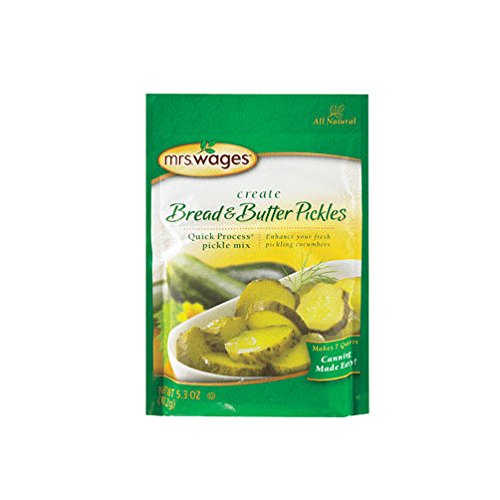
Mrs. Wages Bread and Butter Pickle Mix 5.3 1 pk
Included for 'Bread and Butter Pickle Recipe: Easy Refrigerator Version' as a relevant option in this category; details come from the product listing.
View on Amazon
Mrs. Wages Bread N Butter Pickling Mix (Pack of 1)
Included for 'Bread and Butter Pickle Recipe: Easy Refrigerator Version' as a relevant option in this category; details come from the product listing.
View on Amazon
Mrs. Wages Bread and Butter Pickles Refrigerator Mix, 12, 1.94 oz Packets
Included for 'Bread and Butter Pickle Recipe: Easy Refrigerator Version' because the listing specifies 1.94 oz Packets, details this guide uses to compare options.
View on AmazonHow to make crisp refrigerator bread and butter pickles
1. Prepare the cucumbers for texture
Wash and dry the cucumbers. Trim off both ends, then slice them into even 6 mm rounds. The blossom end can contain enzymes that soften pickles, so removing both ends is a useful precaution.
For extra crunch, toss the cucumber slices with 1 tablespoon of the measured salt and refrigerate them for 30 minutes. Drain and rinse briefly, then pat dry. This step draws out excess water before the cucumbers meet the brine. It also slightly reduces the saltiness, so use the full brine amount listed below rather than adding extra salt to the bowl.
Slice the onion as thinly as the cucumber. A mandoline can produce consistent slices, but use a hand guard and work slowly. Uneven pieces create a mixed result: thin cucumbers soften quickly while thicker ones are still only lightly seasoned.
2. Heat the brine
Combine the vinegar, water, sugar, remaining salt, mustard seeds, celery seeds, turmeric, and red pepper flakes in a saucepan. Warm over medium heat, stirring until the sugar and salt dissolve. The liquid should be hot but does not need a prolonged boil.
Remove the pan from the heat and let the brine cool for about 5 minutes. Pouring boiling liquid directly over the cucumbers can soften their outer layer. The brine should still be warm enough to dissolve any remaining crystals but not violently bubbling.
3. Pack the jars
Layer the cucumber slices and onion in the jar, leaving about 1 inch of space at the top. Add the optional garlic if using it. Pour in the warm brine until the vegetables are covered, then press them down with a clean spoon to release trapped air pockets.
If the vegetables float, use a small food-safe fermentation weight or a clean smaller insert that keeps them below the liquid. For a refrigerator pickle, complete submersion is not essential for the first few hours, but vegetables exposed to air are more likely to discolor or develop an off odor.
4. Chill before serving
Cool the uncovered jar at room temperature for no more than 30 to 45 minutes, cap it, and refrigerate. The pickles will be edible after about 4 hours, but the flavor will be noticeably better after 24 hours. At 48 hours, the onion and spices will be more evenly distributed through the brine.
Do not leave the finished pickles at room temperature overnight. Refrigeration is part of the recipe and is what makes this a convenient short-term pickle rather than a shelf-stable preserve.
How to adjust the recipe for your preferred texture
- For maximum crunch: choose small cucumbers, remove both ends, use 6 to 8 mm slices, pre-salt for 30 minutes, and cool the brine slightly before pouring it over the vegetables.
- For faster seasoning: use 3 to 4 mm slices. They will take on the brine within 4 to 12 hours, but they will soften sooner and are best eaten within about 10 days.
- For sturdier slices: cut 8 to 10 mm rounds. Expect to wait 36 to 48 hours for the centers to taste fully seasoned.
- For less sweetness: reduce the sugar to ¼ cup. Keep the vinegar, water, and salt unchanged so the brine remains balanced.
- For a sharper pickle: use 1¼ cups vinegar and ¾ cup water. This increases the acidic bite without changing the batch size substantially.
- For less onion flavor: reduce the onion to 60 g or replace it with thinly sliced shallot.
Brine math for different batch sizes
The simplest way to scale this recipe is to preserve the 1:1 vinegar-to-water ratio. For every 1 cup of total liquid, use approximately ⅓ cup sugar and 7.5 g fine salt, then adjust the spices to taste.
| Batch size | 5% vinegar | Water | Sugar | Fine salt | Approximate cucumber quantity |
|---|---|---|---|---|---|
| Half batch | ½ cup | ½ cup | ⅙ cup, or 2 tablespoons plus 2 teaspoons | 7.5 g | 340 g |
| Full batch | 1 cup | 1 cup | ⅓ cup | 15 g | 680 g |
| Double batch | 2 cups | 2 cups | ⅔ cup | 30 g | 1.36 kg |
These quantities assume the vegetables are packed fairly tightly. If you use a tall, narrow jar or leave substantial air space, you may need additional brine. Make a half batch of extra brine rather than topping up with plain water, which would dilute the flavor.
Storage, cleaning, and common mistakes
Keep the pickles at 4°C or below in the refrigerator, with the lid tightly closed. Use clean utensils when removing portions. The cucumbers generally remain at their best for about 1 to 2 weeks and can be kept for up to 3 weeks if they stay cold, submerged, and free from contamination.
Discard the batch if it develops mold, a slimy texture, unexpected fizzing, a swollen lid, or an unpleasant odor. Do not try to remove only the visibly affected pieces.
- Using low-acidity vinegar: choose vinegar labeled 5% acidity. Rice vinegar can vary, so check its label before substituting.
- Boiling the cucumbers: heat the brine, not the vegetables. Extended heat is one of the quickest routes to soft pickles.
- Overfilling the jar: leave room for brine circulation and make sure the lid does not force vegetables above the liquid.
- Relying only on volume for salt: kosher salt crystals vary considerably. Weight gives more consistent results.
- Treating refrigerator pickles as canned pickles: this recipe is not designed for pantry storage. Do not store sealed jars at room temperature.
Best ways to use them in meal prep
Drain only the portion you plan to eat and return the remaining pickles to the refrigerator quickly. They work well in sandwiches, grain bowls, burgers, egg salad, tuna salad, and alongside roasted vegetables. For packed lunches, keep the pickles in a separate leak-resistant container so their brine does not make bread or crisp greens soggy.
The recipe is ready after one day, but the best balance of sweetness, acidity, spice, and crunch usually arrives on the second day. Prepare a new batch before the previous one is finished, rather than keeping a jar well beyond its peak texture.