Key takeaways
- Gin supplies dryness, juniper, and a firm backbone.
- Green Chartreuse brings concentrated herbal, floral, peppery, and mint-like notes.
- Maraschino softens the herbs with cherry-pit, almond, and lightly bitter sweetness.
- Lime prevents the liqueurs from becoming heavy and keeps the finish lively.
The classic last word cocktail recipe uses equal parts gin, green Chartreuse, maraschino liqueur, and fresh lime juice—typically ¾ ounce of each, shaken with ice and strained into a chilled coupe.
Classic Last Word Cocktail Recipe
| Ingredient | Amount | What it contributes |
|---|---|---|
| Gin | ¾ oz (22 ml) | Juniper, citrus, spice, and structure |
| Green Chartreuse | ¾ oz (22 ml) | Sweet, herbal, minty intensity |
| Maraschino liqueur | ¾ oz (22 ml) | Cherry-almond sweetness and a dry, nutty finish |
| Fresh lime juice | ¾ oz (22 ml) | Sharp acidity and freshness |
Method
- Chill a coupe or Nick and Nora glass for at least 5 minutes, or fill it with ice while mixing.
- Add the gin, green Chartreuse, maraschino liqueur, and lime juice to a shaker.
- Fill the shaker with fresh, solid ice. Shake hard for 10 to 12 seconds.
- Double-strain into the chilled glass if you prefer a particularly smooth texture.
- Garnish with a lime twist or a cocktail cherry, if desired.
The finished drink should be pale green, cool, silky, herbal, tart, and moderately sweet. It is not meant to taste like a simple gin sour: green Chartreuse is the dominant aromatic ingredient, while maraschino gives the drink its distinctive rounded, slightly funky sweetness.
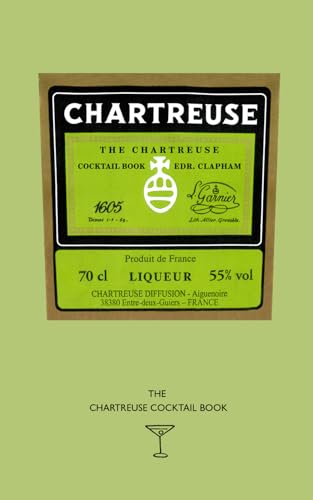
The Chartreuse Cocktail Book (Clapham Cocktails)
Included for 'Last Word Cocktail Recipe: Classic Gin Drink Guide' as a relevant option in this category; details come from the product listing.
View on Amazon
Cocktail Cards: 100 Cocktail Recipes to Master Cocktails in Bartender Flashcard Form with Step By Step Cocktail Instructions and Video Instructions
Included for 'Last Word Cocktail Recipe: Classic Gin Drink Guide' as a relevant option in this category; details come from the product listing.
View on Amazon
The Little Book Of Cocktails.: Famous Cocktails From Around The World Including Bonus Mocktails And Festive Cocktails In A Handy Pocket Size Book.
Included for 'Last Word Cocktail Recipe: Classic Gin Drink Guide' as a relevant option in this category; details come from the product listing.
View on AmazonWhy the Equal-Parts Formula Works
The equal-parts structure is the cocktail’s defining feature. Each ingredient occupies 25% of the un-diluted recipe, so changing one component changes the drink quickly. With ¾ ounce of each ingredient, the shaker contains 3 ounces before dilution. A vigorous shake usually adds approximately ¾ to 1 ounce of water, producing roughly 3¾ to 4 ounces in the glass.
The formula balances four competing sensations:
- Gin supplies dryness, juniper, and a firm backbone.
- Green Chartreuse brings concentrated herbal, floral, peppery, and mint-like notes.
- Maraschino softens the herbs with cherry-pit, almond, and lightly bitter sweetness.
- Lime prevents the liqueurs from becoming heavy and keeps the finish lively.
Because the drink is equal parts, it is better to adjust by small increments than to make a large substitution. For example, adding ⅛ ounce more lime makes the cocktail noticeably sharper, while adding ⅛ ounce more Chartreuse makes it more aromatic and bitter-herbal.
Choosing the Gin
A classic London dry gin is the safest starting point because its juniper and citrus character can stand up to Chartreuse. Beefeater London Dry Gin and Tanqueray London Dry Gin are widely available examples with enough structure for the recipe. Plymouth Gin produces a softer, earthier variation, while a citrus-forward gin can make the drink brighter and less piney.
| Gin style | Result in the cocktail | Best for |
|---|---|---|
| Classic London dry | Juniper-led, dry, balanced | First attempt and traditional profile |
| New Western or citrus-forward | Brighter, softer, less piney | Drinkers who find classic gin too resinous |
| Earthy or moderately savory gin | Deeper and more complex | Experienced cocktail drinkers |
| Very floral gin | Perfumed and potentially sweet-tasting | Only when you want the herbs and flowers emphasized |
Avoid starting with an intensely flavored gin containing prominent cucumber, rose, or tropical fruit notes. Those flavors can compete with Chartreuse rather than giving it room to work.
Green Chartreuse and Maraschino Choices
Green Chartreuse is the traditional liqueur and is considerably more powerful than many herbal liqueurs. Its high proof and dense botanical flavor are why the equal-parts recipe remains lively instead of tasting like diluted cordial. Yellow Chartreuse is sweeter, gentler, and less intense; it can make an enjoyable variation, but it is not the classic Last Word.
For maraschino, use a true maraschino liqueur such as Luxardo Maraschino. Do not replace it with bright-red cocktail cherry syrup, sweetened cherry juice, or almond syrup. Those substitutes add a different kind of sweetness and remove the dry, slightly bitter cherry-pit character that defines the original drink.
If green Chartreuse is unavailable, a commercial herbal liqueur may produce a usable substitute, but the result will not have the same concentrated mint, spice, and alpine-herbal profile. Reduce the substitute to ½ ounce at first, taste the balance, and adjust rather than assuming every herbal liqueur has the same sweetness or strength.
How to Balance Tartness, Herbs, and Sweetness
If the cocktail tastes too sharp
First check the lime. Limes vary substantially in acidity, and juice that has been refrigerated for several days can taste flatter while still being sour. Use fresh juice and measure it. If the drink remains too tart, try ⅞ ounce maraschino and ⅝ ounce lime on the next version. This preserves the basic structure without making the cocktail noticeably sugary.
If it tastes too herbal or medicinal
Use a more assertive gin, such as a traditional London dry, and reduce Chartreuse slightly to ⅝ ounce while keeping the other ingredients at ¾ ounce. This is a house variation rather than the strict equal-parts recipe. Also make sure the drink is adequately diluted; an under-shaken Last Word can make the herbal alcohol feel harsh.
If it tastes too sweet
Do not add extra gin alone, since that can increase alcohol heat without restoring balance. Reduce the maraschino to ⅝ ounce and keep the lime at ¾ ounce. A longer shake can also help by adding a little more water, but dilution should refine the drink rather than compensate for a major ratio problem.
Dilution, Ice, and Shaking
Shake the cocktail rather than stirring it. Lime juice needs thorough chilling and integration, and shaking creates the light aeration that gives the drink a smooth, almost silky texture. Use enough ice to fill the shaker at least two-thirds full. Small, wet, or already-melting ice can over-dilute the drink; a single large cube may chill it too slowly.
| Technique | Typical shake time | Likely result |
|---|---|---|
| Short shake, 5–7 seconds | Limited dilution | Strong, sharp, potentially hot |
| Standard hard shake, 10–12 seconds | About ¾–1 oz water added | Balanced and properly chilled |
| Long shake, 15–20 seconds | Higher dilution | Softer, lighter, but possibly thin |
Strain immediately after shaking. Leaving the drink in the shaker while preparing the garnish allows the ice to continue melting and can flatten the flavor.
Common Mistakes to Avoid
- Free-pouring without measuring: Equal parts only works when the parts are actually equal.
- Using bottled lime juice: It often lacks the fresh aroma needed to balance the herbs.
- Substituting cherry syrup: Syrup is sweeter and lacks maraschino’s dry, nutty finish.
- Using old ice: Ice absorbs freezer odors and melts rapidly, affecting both flavor and strength.
- Serving it over fresh ice by default: A coupe is traditional, and pouring over new ice changes the drinking experience and dilution rate.
- Over-garnishing: A lime twist is enough; strongly scented garnishes can obscure the herbal aroma.
Scaling the Recipe for a Small Gathering
For four cocktails, combine 3 ounces of gin, 3 ounces of green Chartreuse, 3 ounces of maraschino, and 3 ounces of lime juice. This produces 12 ounces before dilution. Do not shake all 12 ounces in one small shaker: divide the mixture into two batches, shake each with ice for 10 to 12 seconds, and strain into four chilled glasses.
Because fresh lime juice changes quickly, batch the alcoholic ingredients in advance but add the lime close to serving time. If you must pre-batch the entire drink, keep it refrigerated and use it the same day; the citrus aroma and freshness decline with storage.
Frequently Asked Questions
Is the Last Word always made with gin?
The classic version is made with gin. Variations use other spirits, but replacing gin changes the drink’s botanical backbone and should be treated as a different cocktail rather than a standard Last Word.
Can I make it less strong?
Yes. Use the standard equal-parts recipe, shake it thoroughly, and serve it in a smaller glass, or add ¼ to ½ ounce of chilled water before shaking. Avoid simply adding a large quantity of mixer, which can bury the herbal balance.
How much alcohol is in one serving?
Using ¾ ounce each of 40% ABV gin, 55% ABV green Chartreuse, and 32% ABV maraschino, the recipe contains about 0.96 fluid ounces of pure alcohol before dilution. After normal shaking, the drink is typically around 25% to 28% ABV, depending on the amount of water added.