Key takeaways
- Using too much coffee liqueur: More liqueur does not always mean more coffee flavor; it can make the drink syrupy. Increase espresso first when you want a stronger roast character.
- Skipping the syrup without tasting: Some coffee liqueurs are already sweet, but others are relatively dry. Adjust based on the liqueur rather than assuming every bottle behaves the same way.
- Serving in a warm glass: The cocktail loses its chilled texture quickly. Pre-chill the glass whenever possible.
- Leaving espresso in the machine: Brewed espresso is best used promptly. Long holding times flatten its aroma and can make the flavor seem bitter.
- Failing to rinse the shaker: Coffee oils and sugar cling to stainless steel and seals. Rinse the shaker, strainer, and jigger soon after use, then wash with warm soapy water.
Espresso Martini Recipe: Easy Cocktail With Coffee Flavor
This espresso martini recipe uses 1½ ounces vodka, ¾ ounce coffee liqueur, 1 ounce freshly brewed espresso, and ¼ ounce simple syrup for a balanced cocktail with a foamy top and clear coffee flavor.
Ingredients for One Espresso Martini
| Ingredient | Amount | What it contributes |
|---|---|---|
| Vodka | 1½ oz (45 ml) | Clean spirit base and structure |
| Coffee liqueur | ¾ oz (22 ml) | Sweetness and concentrated coffee flavor |
| Fresh espresso | 1 oz (30 ml) | Roasted flavor, aroma, and crema for the foam |
| Simple syrup | ¼ oz (7.5 ml) | Adjustable sweetness and a smoother finish |
| Ice | About 1 cup | Rapid chilling and controlled dilution |
| Coffee beans | 3 beans | Traditional garnish |
This formula produces approximately 4 ounces of liquid before shaking dilution and usually fills a chilled coupe or martini glass. Use a 40% ABV vodka and a coffee liqueur around 20% to 25% ABV for the intended balance. A drier coffee liqueur, such as Mr Black, gives a more coffee-forward, less sugary drink; a sweeter style, such as Kahlúa, creates a rounder dessert-like cocktail.

Zing Zang Espresso Martini Mix (32 Fl Oz, Pack of 1) Cocktail Mixer
Included for 'Espresso Martini Recipe: Easy Cocktail With Coffee Flavor' because the listing specifies Pack of 1) Cocktail Mixer, details this guide uses to compare options.
View on Amazon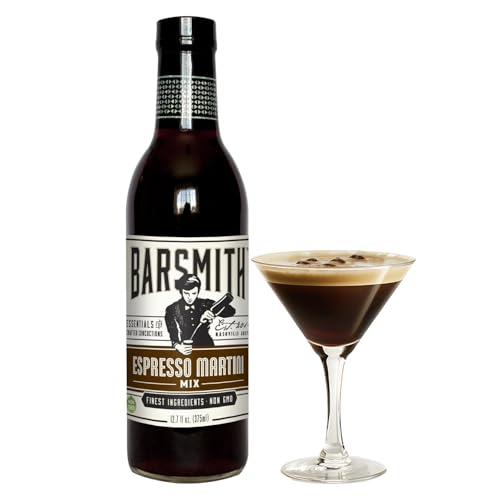
Barsmith Espresso Martini Mix - Cocktail Mixer w/Robust Espresso & Touch of Sweetness - Craft Bar-Quality Martinis at Home - Ideal for Iced Coffee and Dessert Cocktails - 12.7 oz (Pack of 1)
Included for 'Espresso Martini Recipe: Easy Cocktail With Coffee Flavor' because the listing specifies Cocktail Mixer w/Robust Espresso & Touch of Sweetness and Craft Bar-Quality Martinis at Home, details this guide uses to compare options.
View on Amazon
ESPRESSO MARTINI BEANS FOR COCKTAILS, PREMIUM ORGANIC COFFEE BEAN GARNISH, MARTINI ACCESSORIES, MIXOLOGY BAR SUPPLIES, BARTENDER ESSENTIALS, EDIBLE, ROASTED, 4 OZ TIN- By: BEAN ESPRESSO
Included for 'Espresso Martini Recipe: Easy Cocktail With Coffee Flavor' because the listing specifies PREMIUM ORGANIC COFFEE BEAN GARNISH and MARTINI ACCESSORIES, details this guide uses to compare options.
View on Amazon
Java House Cold Brew Espresso Martini Peel and Pour Pods – Premium 100% Arabica Cold Brew Concentrate – Smooth Coffee With French Vanilla Notes – 6 pack (Makes 12 Cocktails)
Included for 'Espresso Martini Recipe: Easy Cocktail With Coffee Flavor' because the listing specifies Premium 100% Arabica Cold Brew Concentrate and Smooth Coffee With French Vanilla Notes, details this guide uses to compare options.
View on AmazonWhat to Choose for Your Situation
| Your preference | Best choice | Adjustment |
|---|---|---|
| You prefer a dry, bitter coffee flavor | Drier coffee liqueur | Use ¼ oz syrup or omit it |
| You prefer a sweeter after-dinner drink | Sweeter coffee liqueur | Keep ¼ oz syrup; add another ⅛ oz if needed |
| You have an espresso machine | Fresh double-shot espresso | Brew 1 oz and chill briefly before shaking |
| You do not have an espresso machine | Strong moka-pot coffee or concentrated cold brew | Use 1 oz; avoid watery drip coffee |
| You are making several cocktails | Pre-measured batch, shaken individually | Shake each serving with fresh ice for better foam |
How to Make It
1. Prepare the espresso
Brew 1 ounce of espresso. Let it stand for about 30 to 60 seconds so it is no longer aggressively hot, but do not leave it sitting for many minutes. Fresh espresso contains aromatic oils and crema that help create the signature foam. Very hot espresso can melt the ice too quickly and make the cocktail thin.
If using moka-pot coffee, brew it strong and measure 1 ounce. Concentrated cold brew also works, although it will provide less crema and usually a thinner foam layer. Avoid replacing espresso with a full ounce of ordinary drip coffee; its lower concentration can make the cocktail taste diluted.
2. Chill the glass
Fill a coupe or martini glass with ice water while you make the drink, or place the empty glass in the freezer for 10 to 15 minutes if the glass is freezer-safe. A chilled glass slows warming after straining and helps preserve the foam.
3. Add the measured ingredients
Pour the vodka, coffee liqueur, espresso, and simple syrup into a cocktail shaker. Add the espresso before the ice so the quantities are easy to check and the hot liquid has a moment to mix with the other ingredients.
4. Shake hard with plenty of ice
Add about 1 cup of solid, cold ice and shake vigorously for 12 to 15 seconds. A firm shake performs three jobs: it chills the drink, adds a small amount of water through dilution, and emulsifies the coffee oils into a stable foam. A gentle shake may leave the cocktail warm and produce little froth.
Do not shake for an extended period to chase a larger head. Once the shaker is very cold and condensation has formed on the outside, additional shaking mainly increases dilution. If your ice is small, cracked, or already melting, use a shorter shake of about 10 to 12 seconds.
5. Double-strain and garnish
Discard the ice water from the serving glass. Strain the cocktail through the shaker’s built-in strainer, then through a small fine-mesh strainer if you want an especially smooth texture. Double-straining catches ice fragments and coffee sediment, though it can reduce a small amount of foam.
Place three coffee beans on the surface. The three-bean garnish is traditional and adds aroma without introducing a distracting flavor. For a sweeter presentation, dust the foam very lightly with cocoa powder, but use only a pinch so it does not weigh down the bubbles.
Simple Syrup and Sweetness Control
Make simple syrup by combining equal volumes of granulated sugar and water, warming just until the sugar dissolves, and cooling completely. For a thicker syrup, use two parts sugar to one part water; measure carefully because it adds more sweetness per teaspoon.
A 1:1 syrup keeps the recipe easy to adjust. Begin with ¼ ounce, taste the finished drink, and change the next serving rather than pouring extra syrup directly into a foamy cocktail. Coffee liqueurs vary substantially in sweetness, so the same amount of syrup will not taste identical with every bottle.
| Desired style | Vodka | Coffee liqueur | Espresso | Simple syrup |
|---|---|---|---|---|
| Drier and spirit-forward | 1½ oz | ½ oz | 1 oz | 0 to ⅛ oz |
| Balanced classic | 1½ oz | ¾ oz | 1 oz | ¼ oz |
| Sweet and dessert-like | 1½ oz | 1 oz | 1 oz | ¼ oz |
Managing Dilution, Temperature, and Foam
Some dilution is necessary. Without it, the vodka and liqueur can taste harsh and the drink may be too warm. The target is a cold, silky cocktail rather than a slushy one. Use large, hard cubes when possible because they melt more slowly than small, wet ice. Fill the shaker at least halfway; too little ice creates more movement and can warm the drink instead of chilling it efficiently.
If the finished drink tastes watery, check the espresso first. Weak coffee, a wet shaker, or ice that has been sitting at room temperature can all add excess water. If it tastes sharp or hot, shake with more cold ice for the full 12 to 15 seconds rather than adding more syrup immediately.
For extra foam, use freshly pulled espresso and shake immediately after brewing. A small pinch of finely ground coffee in the shaker is not recommended: it can create gritty sediment and overwhelm the drink. Foam also settles naturally after pouring, so serve it promptly.
Common Mistakes and Ownership Realities
- Using too much coffee liqueur: More liqueur does not always mean more coffee flavor; it can make the drink syrupy. Increase espresso first when you want a stronger roast character.
- Skipping the syrup without tasting: Some coffee liqueurs are already sweet, but others are relatively dry. Adjust based on the liqueur rather than assuming every bottle behaves the same way.
- Serving in a warm glass: The cocktail loses its chilled texture quickly. Pre-chill the glass whenever possible.
- Leaving espresso in the machine: Brewed espresso is best used promptly. Long holding times flatten its aroma and can make the flavor seem bitter.
- Failing to rinse the shaker: Coffee oils and sugar cling to stainless steel and seals. Rinse the shaker, strainer, and jigger soon after use, then wash with warm soapy water.
The parts most likely to cause recurring problems are the shaker seal, fine-mesh strainer, and syrup container. A sticky shaker gasket can trap coffee residue, while an unwashed mesh strainer can clog and slow service. Store homemade syrup in a clean, sealed container in the refrigerator and prepare a small batch rather than keeping it indefinitely. For best quality, use a refrigerated 1:1 syrup within roughly two weeks and discard it if its smell, color, or texture changes.
Espresso Martini Recipe at a Glance
Chill a coupe. Combine 1½ ounces vodka, ¾ ounce coffee liqueur, 1 ounce espresso, and ¼ ounce simple syrup in a shaker. Add about 1 cup of hard ice and shake vigorously for 12 to 15 seconds. Double-strain into the chilled glass and garnish with three coffee beans. Serve immediately while the foam and coffee aroma are at their best.