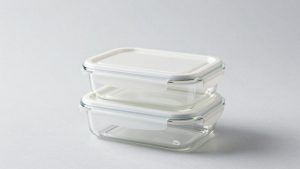
The best food storage containers for microwave reheating make it easy to let steam escape. Start with Rubbermaid Brilliance 3.2 Cup for packed lunches, Snapware Total Solution for glass meal prep, or a Sistema Soup Mug for soup. Check how each lid should sit before heating, since the instructions vary by model.
Quick verdict on the best food storage containers for microwave use
Rubbermaid Brilliance 3.2 Cup is the best overall pick for repeat lunches because its rectangular base is easy to pack and its vented lid can stay on in the microwave. Choose Snapware for a glass set with an offset lid, or Sistema if your usual lunch is a single serving of soup that you want to heat in a handled mug.
| Pick | Best for | Base and capacity | Microwave lid setup | Main trade-off |
|---|---|---|---|---|
| Rubbermaid Brilliance Medium Rectangle | Packed lunches | Clear plastic, 3.2 cups | Open the latches to expose the vents, following the care directions | Intended for reheating precooked food |
| Snapware Total Solution Pyrex Glass 24-piece | Glass meal prep for several portions | Glass, 1, 2, and 4 cups | Unlatch and offset the plastic lid | Two different shapes at 4 cups |
| Sistema Medium Soup Mug | Individual soup portions | Plastic, about 22 fl oz | Open the steam valve on the lid | Tall shape gives less room to spread solid foods |
| Anchor Hocking SnugFit 24-piece | Home leftovers in round bowls | Glass, 1 to 7 cups | Remove the storage lid | Separate microwave-safe cover needed for covered reheating |
| Bentgo Glass Meal 12-piece | Glass lids for storage | Borosilicate glass, 1.6 to 6.3 cups | Remove the glass lid | Glass lid stays off during reheating |
| Stasher Stand-Up Mid Bag | Flexible storage and occasional reheating | Silicone, 56 fl oz nominal | Leave the seal open about ¼ inch | Less room to stir or serve than a rigid bowl |
How we chose the best food storage containers for microwave reheating
The ranking starts with the microwave instructions for the exact body and lid, followed by shape, usable capacity, and ease of transferring the food to a table. U.S. product pages and care guides were reviewed on November 13, 2026. The picks reflect those documents and editorial assessment without detailed research.
The overall pick is aimed at a person who brings a cooked lunch and reheats it in the same dish. The glass picks cover different priorities. Snapware lets you use its plastic lid as a loose cover when you follow the instructions. Anchor Hocking is useful for matching round portions. Bentgo gives you glass lids for storage and calls for removing them before heating. The Sistema mug and Stasher pouch suit tasks where a conventional lunch rectangle is less convenient.
Capacity is the manufacturer’s nominal volume. The practical fill level depends on the food, the lid clearance, and how much room you need for stirring. The selections are based on those practical differences. They do not depend on price, advertised discounts, or measured heating speed. A microwave’s wattage, the starting temperature of the food, and the shape of the portion can all change how long reheating takes.
Six containers for different reheating routines
Picture the meal from the moment it leaves the fridge to the moment you take the first bite. A lid that stays on with the vents open may save a step at work. A broad glass base is easier to stir or eat from. A handled mug can be convenient when you have limited counter space and only need to heat one serving.
Rubbermaid Brilliance Medium Rectangle for packed lunches
The Rubbermaid Brilliance 3.2-cup Medium Rectangle earns best overall for reheating a cooked lunch in the dish you packed it in. The clear plastic base holds a compact grain bowl or pasta portion. The lid has built-in steam vents that let you keep it in place during microwave reheating when the vents are open.
Open the latches to expose the steam vents before you heat the food. Follow the directions that came with the exact model, particularly if you own several Brilliance products. Rubbermaid describes the container as suitable for reheating precooked foods. That is the use to buy it for. For something that requires cooking from raw, choose a dish and method suitable for the recipe.
The rectangle is a good fit when your lunch takes up about 2½ cups and you want space to stir. If the meal fills the base to the rim, transfer it to a larger microwave-safe dish or split it into portions. The same nominal capacity can feel tighter with a tall piece of meat or a pile of loose greens. A packed lunch that fits with the lid closed may still leave too little space to mix the ingredients once warm.
Buy if you pack similar lunches throughout the week and prefer a lid that can stay in place while venting. Skip if you want a glass base or need a large bowl for two servings. Choose Snapware for glass meal portions or Anchor Hocking for larger leftovers stored at home.
Snapware Total Solution Pyrex Glass 24-piece set for meal prep
Snapware Total Solution is the glass pick for preparing several portions and reheating them under a loose cover. The 24-piece set has 12 glass bases and 12 matching lids. Its 4-cup sizes can handle larger lunches, while the 1- and 2-cup dishes work for smaller leftovers or sides that need their own containers.
The manufacturer instructs users to release the latches and slide the lid slightly off center before microwaving. That creates a route for steam to escape. If several people use the set, make that motion part of the reheating routine. Lifting the latches and shifting the lid are both part of the published instructions. This setup is different from opening the dedicated valve on the Sistema mug.
The four 4-cup bases come in two shapes, with two squares and two rounds. That matters if you expected four identical dishes to stack into the same space or pack into the same lunch bag. Match lids by shape and keep the two pairs together. The four 2-cup rectangles give you a more uniform way to portion sides, while the four 1-cup rounds can hold small servings or toppings. If the main and side heat differently, you can reheat them in separate batches.
Buy if you want several glass portions and will use the offset lid as directed. Skip if the large dishes must all share one footprint or you want a single press-open steam valve. Check the exact size assortment when shopping because Total Solution is sold in multiple bundles.
Sistema 656 mL Medium Soup Mug for soup at work
Sistema’s Medium Soup Mug is the most convenient choice here for a single serving of soup or stew. The plastic mug holds about 22 fluid ounces and has a handle plus a steam valve in the lid. The maker directs you to open the valve before microwave use, so you can keep the lid in place while steam escapes.
The handle is helpful if the microwave sits above a counter and you need a reliable place to grasp the mug. Use care when lifting the heated container. Keep the steam opening away from your face and hands. A soup mug has a narrower opening than most shallow bowls, so check that you can stir the food comfortably without overfilling it. Leave space above the soup so you can move a spoon around and handle the mug without spilling.
A tall mug can be practical for liquids and spoonable meals. For layered leftovers such as baked pasta, a wider base gives you easier access for breaking up the portion and stirring during reheating. If your plan is to pack soup in a work bag, carry the mug upright and check the closure guidance on your exact version. A lid designed to release steam during heating serves a different purpose from a lid rated to contain liquid during transport.
Buy if you eat soup or stew regularly and want a handled vessel with a dedicated valve. Skip if you normally bring broad, solid entrées or plan to use the dish with a convection heating setting. Sistema’s care directions limit this mug to microwave use with its vent open and exclude convection heating.
Anchor Hocking SnugFit 24-piece set for round leftovers
Anchor Hocking SnugFit is the best pick for storing several portions in round bowls and reheating them at home. The 24-piece set includes 12 glass bases, ranging from 1 to 7 cups. The listed microwave directions apply to the glass without its storage lid, so plan to remove the plastic lid before heating.
The multicolor bundle has four 1-cup bowls, four 2-cup bowls, three 4-cup bowls, and one 7-cup bowl. The 2-cup rounds can hold separate sides while the 4-cup bowls can handle several matching lunch portions. The 7-cup bowl is more useful for collecting a shared leftover than for reheating every serving at once. When you need only one meal, moving a portion to a smaller microwave-safe bowl can also make it easier to stir and check the center.
Removing the lid is a straightforward habit at home, where you can keep a suitable vented microwave cover nearby. Check the diameter of your cover against the largest bowl before assuming one cover fits the whole set. The largest dish is about 7.3 inches wide before allowing for the space around it. In a compact microwave, measure the clearance and check that the dish can rotate freely.
Buy if you mostly reheat upright leftovers at home and need a range of round bowls with repeating sizes. Skip if you rely on the storage lid as a microwave cover at work. The vented Rubbermaid or the offset-lid Snapware better fit that routine.
Bentgo Glass Meal 12-piece set for glass storage lids
The Bentgo Glass Meal set is best if you want glass lids during storage and are happy to remove them before heating. The six borosilicate glass bases come with six tempered glass lids and locking clips. Macy’s listing for this exact set directs buyers to keep the lids out of both the microwave and the oven.
The set includes one 1.6-cup base, two 2.7-cup bases, two 4.4-cup bases, and one 6.3-cup base. The two 4.4-cup rectangles give you room for a lunch with a broad portion and enough space to reach the edges when stirring. The medium pair works for smaller meals or sides, and the largest dish can store food you intend to split later. Check the packaging for the exact product because Bentgo also sells other glass bundles with different names and lid designs.
The clear lids let you identify stacked portions from above before reheating. Once the lid is off, use a separate microwave-safe cover if you need one. The bases and lids take more room in a lunch bag than a single lightweight rectangle of comparable serving size. If you leave the lid on the office counter during heating, keep a clear spot for it and put the container on a stable surface before serving.
Buy if you care about glass lids for storage and regularly use the medium and large pairs. Skip if you want the included lid to double as your microwave cover. Snapware provides that option for a glass base when the lid is unlatched and offset.
Stasher Stand-Up Mid Bag for flexible storage
The Stasher Stand-Up Mid Bag is the most flexible choice for storing loose ingredients and occasionally heating a portion in the microwave. Its silicone body has a standing base and a 56-fluid-ounce nominal capacity. Stasher’s care guide calls for leaving the pinch seal open about a quarter inch during microwave use.
The flexible body is useful when a rigid box would take up more room in a packed freezer drawer or lunch bag. It works best for a portion you can handle without stirring vigorously inside the pouch. A nearly full bag is harder to hold steady and gives you less access to the center than a wide bowl. For a large meal you expect to stir repeatedly, use a rigid microwave-safe dish with a broad opening.
The bag has no separate lid to lose, and the sealing channel needs attention after food reaches it. Clean the closure according to the maker’s instructions and dry the pouch open. To serve, set it on a stable surface and keep your hands away from escaping steam. A rigid bowl is a better fit when you need to bring the meal straight to the table and want a steady surface for cutting or stirring.
Buy if flexible storage is your first priority and you occasionally reheat a manageable portion. Skip if you mainly want to reheat soup and drink from a handled vessel or regularly eat full meals from the container. Sistema serves the first job, and the rigid rectangles suit the second.
How to choose a container you will reheat in
The first thing to check is how the exact lid handles steam. Then choose a base that fits the food with space to stir and fits your microwave with room to rotate. A lid that seals tightly in a lunch bag still needs the configuration specified by the manufacturer when the container is heated. Make both steps easy to repeat.
Learn the lid setup before buying a set
Read the microwave directions for the body and the lid as separate parts. One model may use a valve, another may need a loose lid, and a third may require full removal. If your family owns several lookalike sets, matching each lid to its base and keeping the instructions handy makes the setup easier to get right.
A vented design such as the Sistema mug can work well in a shared break room because the cover stays with the container. Snapware offers a different approach by letting you set the unlatched lid slightly off center. Anchor Hocking SnugFit and this Bentgo set both require removing their storage lids. For those models, keep a separate microwave-safe cover available when you need covered heating.
The same logic applies to accessories. A divider, dressing cup, or separate insert needs its own manufacturer instructions. If you cannot identify a part or its use directions, transfer the food to a known microwave-safe dish. Follow the care instructions about damaged parts and temperature changes, especially when working with glass.
Pick a shape that leaves room to stir
A wide base helps when you need to spread out leftovers or stir around the edges. A deep mug is easier to carry upright and fits a single portion of soup. Use the volume on the label to compare sizes, then leave enough space for the action you plan to take, such as turning a piece of food or mixing sauce through rice.
Start with a 3- to 4-cup dish for a compact lunch and size up if you need room to mix. Measure your current meal rather than the total size of the container it came from. For example, a 2½-cup rice bowl may fit comfortably in a 3.2-cup rectangle, while the same volume of chunky pasta can require extra space to stir without spilling. If your microwave has a turntable, check that the loaded container can rotate without touching the walls or door.
Reheat the portion you plan to eat
Decide how much food you want to eat before you choose which container goes into the microwave. A family-size dish is useful for storage, but a smaller portion can be easier to stir and check. Use the maker’s lid instructions and give yourself enough clearance to handle the hot dish and keep steam away from your hands.
USDA guidance calls for covering and stirring or rotating microwave-reheated leftovers and checking that the food reaches 165°F throughout. Use a cover that can vent and follow any applicable standing instructions before checking several places with a food thermometer. For a dense portion, check the middle as well as the edges. The container’s microwave rating tells you how to use the vessel, while the thermometer tells you how thoroughly the food has reheated.
Conclusion
Choose Rubbermaid Brilliance for repeat lunches with a vented lid, Snapware for glass meal prep with an offset lid, or Sistema for soup. Pick Anchor Hocking or Bentgo if you are comfortable removing the storage lid. Match the base to your portion and follow the lid directions for the exact model before heating.
More from Amazon
Programs that pair well with the guide above. Offers and eligibility are set by Amazon and may change.
Set up recurring deliveries of everyday items on eligible products. Terms and savings are set by Amazon.
Explore Subscribe & SaveCollect the home and kitchen items you want in one registry that guests can shop from.
Create a wedding registryFree shipping on eligible items, Prime Video and more. Eligible new members can start with a free trial.
Start a Prime free trialAudiobooks and podcasts to listen to on the go. Eligible new members can start with a free trial.
Try Audible freeAs an Amazon Associate we earn from qualifying purchases.