Key takeaways
- “Leakproof” appears in the title, but there is no gasket, latch, or explanation of how compartments are sealed.
- The listing gives total capacity but not individual dimensions or compartment sizes.
- Microwave, freezer, and dishwasher claims are made without temperature limits or lid instructions.
- The lid is described as airtight while the box has open dividers that do not contact the lid.
- There are no instructions for cleaning, gasket removal, or replacement parts.
- Photos show soup or dressing, but the specifications only recommend dry snacks.
- The stated material is vague, such as “eco material,” without food-contact or heat information.
What's inside
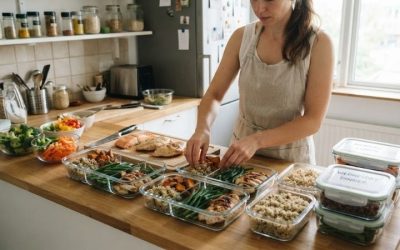
Choosing a leakproof bento box for meal prep sounds simple until a container tips over in a work bag, a lid absorbs curry odors, or a “four-compartment” design leaves too little room for an actual lunch. The most common mistake is shopping by compartment count alone. A box can have five sections and still hold only a small snack. Another mistake is assuming that “leakproof” means every section is independently sealed; in many designs, the lid seals the outside edge while liquids can still move between compartments.
Buyers also overlook fit. A container that is excellent at home may be too tall for a lunch bag, too heavy for daily commuting, or too wide for a refrigerator shelf. Before comparing colors and ratings, consider how much food you pack, what foods you carry, and how the box will be transported. This guide explains how to choose leakproof bento boxes for meal prep with practical measurements, materials, and price expectations for 2026.
As an Amazon Associate we earn from qualifying purchases at no extra cost to you. Product prices and availability are accurate as of the date shown and are subject to change.


Decide These 3 Things First
- Your typical portion: Most adult lunches need about 24 to 40 fluid ounces of total capacity. A 32-ounce box suits a moderate meal, while a 60- to 67-ounce box is better for large portions or an entire day of food.
- Your liquids and textures: Dry snacks and sandwiches need less sealing than yogurt, fruit in syrup, saucy pasta, or dressing. If liquids will sit next to crisp foods, look for a gasketed lid and independently sealed compartments.
- Your carrying and cleaning routine: Measure your lunch bag and refrigerator shelf, then decide whether you will hand-wash seals. A box that is theoretically leakproof is not convenient if its gasket is difficult to remove or it does not fit your daily bag.
Size and Capacity
Capacity is usually listed in ounces, but dimensions determine whether a box works in real life. A 32-ounce container commonly measures approximately 8.5 to 10 inches long, 6 to 7 inches wide, and 2 to 3 inches high. That is a useful range for one lunch with a main course, fruit, and a small snack. Check the internal layout: three equal compartments may be less useful than one large section measuring at least 4 by 5 inches for a sandwich or entrée.
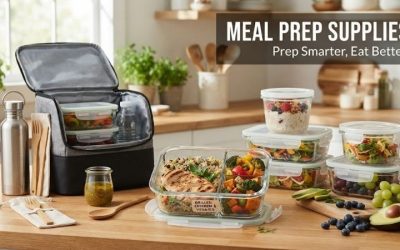
For larger meal prep, a 50- to 67-ounce box may measure roughly 10 to 12 inches long, 7 to 9 inches wide, and 2.5 to 4 inches high. These containers can hold a large entrée, multiple sides, or lunch plus snacks, but they may not fit compact bags. A large box such as the 67-ounce KARRICO example is better viewed as a high-capacity meal carrier than a small snack bento.
Do not confuse total capacity with usable capacity. Thick dividers, rounded corners, and tapered compartments reduce the space available for food. If you meal prep calorie-dense food, 24 to 32 ounces may be enough; bulky salads and vegetables often need 40 ounces or more.
Material: Glass, Plastic, or Wheat-Fiber Composite
Glass resists staining and odors and is a strong choice for tomato sauce, curry, and oily foods. It is also heavier: a 32-ounce glass container may weigh about 1.5 to 2.5 pounds before food, depending on the lid and compartment design. That extra weight matters when carrying several boxes. Glass is often suitable for reheating, but confirm the manufacturer’s instructions and remove the lid before using a microwave.
Plastic is lighter and more forgiving in a crowded bag. Look for food-contact labeling, BPA-free construction, and a temperature range rather than relying on the word “microwave-safe” alone. Plastic may stain or retain odors over time, especially when exposed to tomato-based sauces. Avoid microwaving a sealed container unless the instructions specifically permit it with a vent open.
Wheat-straw or similar plant-fiber composites are often used in inexpensive, lightweight bento boxes. They can be practical for dry foods and moderate meal prep, but buyers should inspect the care instructions, heat limits, and lid material. The phrase “wheat straw” does not automatically mean compostable, plastic-free, or suitable for high heat. If durability and long-term odor resistance are priorities, glass or a clearly specified food-grade plastic may be the safer comparison.
Construction and Leak Protection
Leak resistance depends more on the seal design than on the number of compartments. Look for a continuous silicone gasket around the lid and, ideally, separate seals around liquid-friendly sections. Four side-locking clips can distribute pressure more evenly than one central latch. A silicone valve or vent may make reheating safer, but it adds another part to clean.
Inspect the divider height. Dividers that stop 2 to 4 millimeters below the lid may allow dressing or juice to migrate between sections when the box is tilted. Raised dividers that meet the gasket are more promising, but no design should be treated as fully leakproof until the manufacturer explains whether compartments are independently sealed.
Closures should open without excessive force. A child may struggle with four stiff clips, while a loose snap lid can open in a bag. For commuting, favor a lid with a visible gasket, firm but manageable latches, and a design that remains closed when one clip is accidentally bumped. Never depend on the box alone for soup unless the product specifically identifies soup or liquid transport as an intended use.
Comfort, Cleaning, and Everyday Performance
A practical bento box should be easy to carry, open, clean, and store. For daily transport, a total empty weight under 1.5 pounds is comfortable for many users; glass models can exceed that, particularly in multipacks. Rounded corners are easier to wipe than sharp internal angles, and removable gaskets are preferable when food particles can collect beneath the seal.
Check whether the box and lid are dishwasher-safe, and whether that claim applies to the gasket. High heat can shorten the life of seals or warp some plastic lids. If a product requires hand-washing, allow 5 to 10 minutes for cleaning and drying each box, especially when it has four or five narrow compartments.
Stackability also affects performance. A flat lid and nesting base can save several inches of cabinet space, but stacked boxes should not wobble when empty. For work or school, consider opening clearance: a lid that needs to swing fully backward may be awkward at a crowded desk.
Price Tiers
Budget bento boxes generally cost about $3 to $8 per box when purchased in a multipack. For example, four-compartment wheat-fiber-style sets priced around $12.99 to $16.99 work out to approximately $3.25 to $4.25 each. At this level, expect lighter construction and a basic perimeter seal. Verify the number of lids, because some low-priced sets use one lid per box while others include shared or separate pieces.
Midrange options usually cost $7 to $15 per box, or about $25 to $50 for a four-pack. A 32-ounce glass set priced near $27.99 works out to about $7 per container before considering shipping. This tier commonly offers sturdier latches, better organization, and more confidence in staining resistance, though the boxes may be heavier.
Premium designs often cost $15 to $30 or more per box. You are paying for stronger hardware, replaceable seals, better temperature guidance, modular inserts, or a more refined fit—not automatically superior leak protection. Compare the replacement-parts policy before assuming a higher price means a longer service life.
Warranty and Replacement Parts
Look for a written warranty of at least 90 days for basic sets and one year for more expensive glass or modular systems. The warranty should state whether it covers cracked containers, defective latches, warped lids, and failed seals. Damage from drops, improper heating, or normal staining may be excluded.
Replacement gaskets are especially valuable. A silicone seal may cost $3 to $10 when sold separately, while a replacement lid may cost $8 to $20. If replacement parts are unavailable, a worn gasket can turn an otherwise useful box into a dry-food-only container. Save the product name and dimensions when you buy; similarly shaped lids are not necessarily interchangeable.
Delivery and Assembly
Most bento boxes require no assembly beyond inserting a gasket or divider, but that step matters. A gasket installed unevenly can create a leak path. Before first use, remove protective film, wash every component, and press the seal fully into its channel. If the lid includes a steam vent, confirm that the vent cap is seated correctly for transport.
For online orders, check the delivered dimensions, number of containers, and estimated arrival window. Glass sets need protective packaging, and a cracked corner can prevent a proper seal. Photograph damage on arrival and do not use a box with a chipped rim. For a multipack, confirm that every container has its own lid and that the stated capacity applies to each box rather than the entire set.
Spec Checklist
| Spec | Budget | Mid | Premium |
|---|---|---|---|
| Total capacity | 20–32 oz | 28–45 oz | 40–67 oz |
| Typical empty weight | 0.4–1.0 lb | 0.8–1.8 lb | 1.2–2.5 lb |
| Closure | Snap lid or 2 clips | 4 clips and silicone gasket | 4 clips, gasket, and independent seals or vent |
| Materials | Plastic or composite | Food-grade plastic or glass | Thicker glass, stainless steel, or reinforced food-grade plastic |
| Price range | $3–$8 per box | $7–$15 per box | $15–$30+ per box |
| Useful extras | Stacking or utensil slot | Dishwasher guidance and removable gasket | Replaceable seals, modular inserts, and clear temperature limits |
Red Flags
- “Leakproof” appears in the title, but there is no gasket, latch, or explanation of how compartments are sealed.
- The listing gives total capacity but not individual dimensions or compartment sizes.
- Microwave, freezer, and dishwasher claims are made without temperature limits or lid instructions.
- The lid is described as airtight while the box has open dividers that do not contact the lid.
- There are no instructions for cleaning, gasket removal, or replacement parts.
- Photos show soup or dressing, but the specifications only recommend dry snacks.
- The stated material is vague, such as “eco material,” without food-contact or heat information.
FAQ
What size bento box is best for meal prep?
For one average lunch, start with 28 to 40 ounces. Choose 40 to 67 ounces for large portions, high-volume vegetables, or lunch plus snacks. A smaller 20- to 24-ounce box works for children, light meals, or side dishes.
Are glass bento boxes more leakproof than plastic ones?
Not necessarily. Leak protection comes from the lid, gasket, clips, and divider design. Glass is heavier but usually resists staining and odors well. A well-sealed plastic box can outperform a glass box with a weak or poorly fitted lid.
Can I pack yogurt, soup, or salad dressing in a bento box?
Only if the manufacturer identifies the container as suitable for liquids and the relevant compartment has a dependable seal. For soup, use a dedicated leak-resistant jar unless the bento box includes specific liquid-transport instructions. Keep dressing in a separate sealed cup when in doubt.
How often should I replace a bento box gasket?
Replace it when it becomes stretched, cracked, permanently flattened, discolored with an odor, or unable to stay seated. With daily use, inspect the gasket monthly. A box with no available replacement seal may need replacing sooner, even if the container itself remains intact.