Key takeaways
- Less freezer burn: Removing air reduces the exposure that causes dry, gray patches and stale flavors on frozen food.
- Better portioning: Individual 8- to 16-ounce servings are easier to thaw than a full casserole or a deep container of leftovers.
- More freezer capacity: Flat packages stack efficiently and can use narrow spaces that containers cannot.
- Longer practical freshness: Properly chilled, sealed meals generally hold quality better than food stored in a loosely covered bowl.
- Faster weeknights: A prepared serving can go from freezer planning to reheating with little additional work.
- Fewer disposable containers: Bags can reduce the need to buy or wash multiple food-storage tubs, although they are still disposable unless you choose a washable system.
- Useful for batch cooking: Soups, stews, beans, cooked meat, grains, and casseroles are especially convenient to portion and store.
What's inside
The Short Answer
Yes—vacuum sealing cooked meals is worth the prep time if you regularly cook in batches, freeze portions, or want refrigerated food to stay fresher for several days. The one condition is that you must cool and store the food safely; vacuum sealing is a packaging method, not a substitute for refrigeration or proper cooking.
For a household that seals three or more portions each week, the routine can pay off in less freezer waste, fewer freezer-burned leftovers, and faster weeknight meals. For someone who cooks only one or two servings at a time, the extra steps may feel like more work than they save.
As an Amazon Associate we earn from qualifying purchases at no extra cost to you. Product prices and availability are accurate as of the date shown and are subject to change.

What You Actually Get
A countertop vacuum sealer removes much of the air from a specially designed bag, then heat-seals the opening. With cooked meals, that means you can divide food into portions, seal each serving, label it, and refrigerate or freeze it in a compact package.
The main benefit is portion control. Instead of freezing a large container of chili, pulled pork, rice, or pasta, you can seal 8- to 16-ounce servings that are easier to stack and quicker to thaw. Flat bags also make better use of freezer space than bulky plastic containers. A sealed meal can often be placed in a refrigerator drawer or freezer bin without tipping over or collecting loose ice crystals.
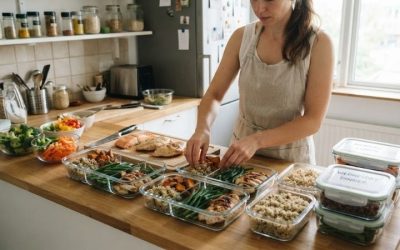
You also get a more organized meal-prep system. A useful workflow is to cook, divide, cool, seal, label, and store. Labels should include the meal name and date. If you freeze food, write the portion size too; “chicken curry, 12 ounces, March 2026” is much more useful than an unlabeled flat bag.
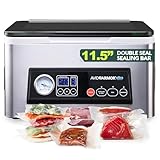
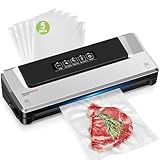
Expect a small countertop appliance rather than a commercial kitchen tool. Most home sealers are roughly 12 to 16 inches wide, 4 to 6 inches deep, and light enough to move between a cabinet and counter. Many operate with a simple vacuum-and-seal button, while some add pulse, gentle, or seal-only modes. Those settings matter when packaging soft foods, bread, or meals with a little moisture.
The two Bonsenkitchen models listed for this type of use sit in the budget category: one is priced at $29.99 and the other at $32.99. At that price, they may be appealing for occasional meal prep, but buyers should pay attention to bag compatibility, sealing width, included accessories, and whether replacement bags are easy to find. The purchase price is only part of the cost. Bags commonly add roughly $0.20 to $0.70 per meal, depending on whether you buy rolls, pre-cut bags, or reusable-compatible options.
Pros
- Less freezer burn: Removing air reduces the exposure that causes dry, gray patches and stale flavors on frozen food.
- Better portioning: Individual 8- to 16-ounce servings are easier to thaw than a full casserole or a deep container of leftovers.
- More freezer capacity: Flat packages stack efficiently and can use narrow spaces that containers cannot.
- Longer practical freshness: Properly chilled, sealed meals generally hold quality better than food stored in a loosely covered bowl.
- Faster weeknights: A prepared serving can go from freezer planning to reheating with little additional work.
- Fewer disposable containers: Bags can reduce the need to buy or wash multiple food-storage tubs, although they are still disposable unless you choose a washable system.
- Useful for batch cooking: Soups, stews, beans, cooked meat, grains, and casseroles are especially convenient to portion and store.
Cons
- It adds a process: You must portion food, wipe the bag opening, operate the sealer, label the package, and clean the drip area.
- Wet meals can be difficult: Broth, sauce, and gravy may be pulled toward the machine before the seal forms. Partially freezing saucy food for 30 to 60 minutes can make sealing easier.
- Soft foods can be crushed: Vacuum pressure may flatten bread, delicate vegetables, dumplings, or tender fish. A pulse or gentle setting helps when available.
- Supplies cost money: A low-cost machine can be inexpensive upfront, but a household sealing 15 meals per week may spend several dollars weekly on bags.
- Cleaning is essential: Food residue around the sealing channel can prevent a reliable seal and create an unpleasant odor.
- It is not a safety guarantee: Vacuum-sealed food still requires prompt cooling, cold storage, and sensible use-by timing. Low-oxygen packaging can be risky when food is mishandled.
- Some bags are single-use: Reusing bags that held raw meat or oily foods is not a good practice, and heavily soiled bags are difficult to clean adequately.
Who Should Buy It
A vacuum sealer makes sense for batch cooks, freezer-meal households, and anyone who routinely buys food in bulk. It is particularly useful if you prepare four or more servings at once and freeze at least two of them. People who portion meat, beans, rice, roasted vegetables, breakfast burritos, or homemade soup can quickly build a useful freezer inventory.
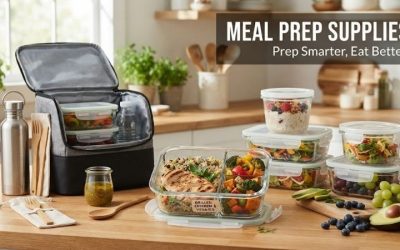
It is also a good fit for small kitchens where freezer space matters. A flat sealed package takes up less room than a rigid container, and a stack of labeled portions is easier to inventory. Athletes, shift workers, and parents with demanding evening schedules may value the predictable portions more than the sealing itself.
Budget models such as the $29.99 and $32.99 Bonsenkitchen options can be reasonable starting points if your needs are basic. Before buying, confirm that the machine can seal the bag sizes you expect to use and that replacement rolls do not cost more than the appliance over time. If you plan to seal daily, a stronger machine with a removable drip tray and more control over suction may justify a higher price.
Who Should Skip It
Skip a vacuum sealer if you rarely freeze food, usually cook single portions, or dislike appliance-based kitchen routines. A sealer will not improve meals that are already eaten within a day or two, and it cannot make poor-quality leftovers taste freshly cooked.
It may also be the wrong choice if most of your meals are very liquid, fragile, or best stored in containers. A lidded container is often simpler for a bowl of soup in the refrigerator, especially when you need to open it repeatedly. People with limited counter or cabinet space should also consider whether the machine and a supply of bags will become clutter.
Cheaper Alternatives
| Option | Cost | Trade-off |
|---|---|---|
| Reusable glass or plastic containers | $1 to $8 each | Easy to clean and microwave-friendly, but bulkier in the freezer and more prone to air exposure. |
| Standard freezer bags with the air pressed out | $0.10 to $0.35 per bag | Lowest upfront cost, but less air removal, more freezer burn, and weaker protection from leaks. |
| Plastic wrap plus a freezer bag | $0.20 to $0.60 per portion | Useful for solid foods, but takes longer to wrap and creates more disposable packaging. |
| Silicone freezer bags | $8 to $25 each | Washable and reusable, but expensive initially, heavier to store, and less space-efficient when filled. |
| Budget vacuum sealer | $30 to $60 plus bags | Best air removal and compact portions, but requires equipment, electricity, cleaning, and compatible bags. |
FAQ
How long do vacuum-sealed cooked meals last?
Vacuum sealing can help preserve quality, especially in the freezer, but it does not create a fixed safe storage period. Refrigerate cooked food promptly in shallow portions and keep it at 40°F or colder. Use refrigerated leftovers within a few days according to standard food-safety guidance, and freeze meals when you will not eat them soon. Frozen food remains safe while continuously frozen, though flavor and texture gradually decline.
Should cooked food be cold before vacuum sealing?
Yes. Do not seal a steaming-hot meal and leave it at room temperature. Divide large batches into shallow portions, cool them promptly, and refrigerate or partially freeze before sealing. Cooling also reduces steam inside the bag, which can interfere with the seal and cause liquid to collect near the machine.
Can I vacuum seal soup or other liquid meals?
Yes, but liquids require extra care. Chill the soup first, use a wide bag, and leave enough space above the food for sealing. For the cleanest result, freeze the soup in a container until firm, then transfer the frozen portion to a vacuum bag and seal it. Never let liquid reach the sealer’s vacuum channel.
Is vacuum sealing worth it for one person?
It can be, provided you batch-cook and freeze individual portions. A solo cook may benefit more than a large family if the goal is to prevent leftovers from lingering. If you typically prepare only one serving and eat it immediately, standard containers or freezer bags are cheaper and faster. The real value comes from repeated use—not from the machine alone.