
Key takeaways
- Sunlight trick: Leaving a rinsed, still-damp container in direct sun for a few hours naturally bleaches out light stains.
- Pre-oil defense: A quick wipe of cooking oil on the container before adding tomato sauce keeps pigment from soaking into the plastic in the first place.
A good set of meal prep containers can last five years or fall apart in five months, and the difference is almost entirely how you clean and store them. Stains, lingering garlic smells, cloudy plastic, and warped lids aren’t signs of cheap containers so much as signs of tomato sauce left overnight and lids run through a hot bottom rack.
The good news is that keeping containers looking and sealing like new takes only a few small habits. This guide covers the daily wash routine, how to lift stubborn stains and odors, the right way to protect lids and gaskets, and smart storage so your stack stays organized instead of exploding out of the cabinet every time you open it.
Our top picks
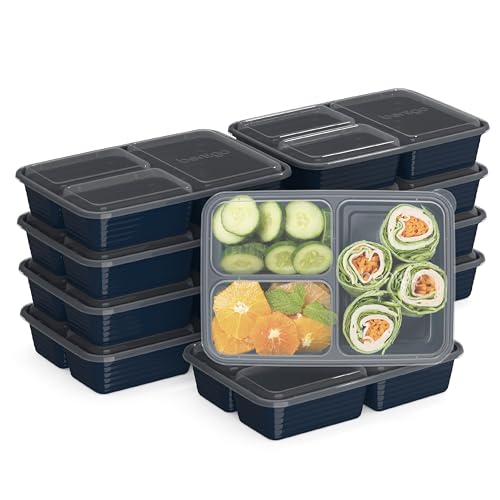
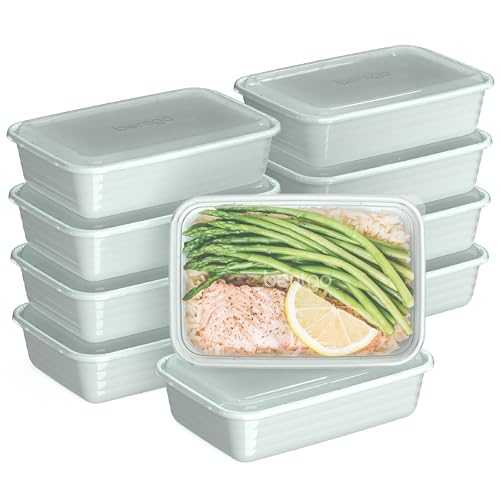 Bentgo Prep Meal Prep Containers with Lids
- #1 Brand Pick for Meal Prep Containers: Bentgo…
- Perfect for Portion-Control: Each container’s 4-cup capacity and…
- Durable & Reusable: Made from tough, PFAS- and…
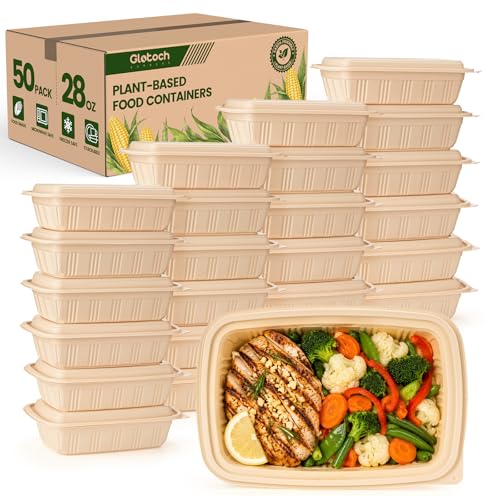
![Freshware Meal Prep Containers [50 Pack] 1 Compartment Food Storage Containers with Lids, Bento Box, BPA Free, Stackable, Microwave/Dishwasher/Freezer Safe (16 oz)](https://m.media-amazon.com/images/I/41-CcCx-8JL._SL500_.jpg)


As an Amazon Associate we earn from qualifying purchases at no extra cost to you. Ratings are shown as listed on Amazon.
⚡ Save on Your Next PC — Amazon Prime
Prime members get fast free shipping on the systems above, plus early access to Prime Day & Black Friday PC deals. New members get a 30-day free trial.
Watch: How to Clean and Maintain Your Meal Prep Containers — Video Review
The Daily Wash Routine
Rinse containers as soon as you’re done eating; food left to dry bonds to plastic and takes far more effort to remove later. For everyday cleaning, warm water and dish soap with a soft sponge handle most residue. Reusable sets like the Bentgo Prep 20-Piece containers are dishwasher-safe, but always place them on the top rack, away from the heating element that warps thin bottoms and lids.
Removing Stains and Odors
Tomato-based sauces, curry, and turmeric are the usual culprits behind orange staining. To lift them, make a paste of baking soda and water, coat the stained area, and let it sit for 15-20 minutes before scrubbing. For odors, a soak in one part white vinegar to four parts water for 30 minutes neutralizes smells that soap leaves behind.
- Sunlight trick: Leaving a rinsed, still-damp container in direct sun for a few hours naturally bleaches out light stains.
- Pre-oil defense: A quick wipe of cooking oil on the container before adding tomato sauce keeps pigment from soaking into the plastic in the first place.
Protecting Lids and Gaskets
Lids fail before bodies do. The high heat near a dishwasher’s heating element is the main cause of warping, so hand-wash lids when you can and keep them top-rack otherwise. If your containers have removable silicone gaskets, pull them out weekly to wash away trapped moisture and food particles, which is where mildew and smells start.
Smart Storage That Prevents Warping
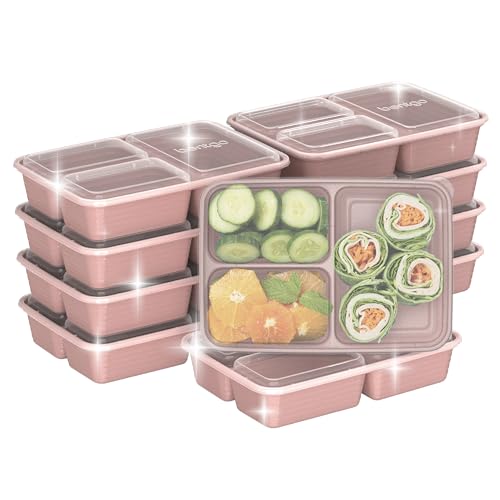
Store bodies nested and lids stored separately, standing on edge in a rack or bin, rather than snapped onto every base. Snapping lids on for storage stresses the latches over time. Sets with matching footprints, like the GoodCook 10-Pack or the Bentgo Prep trays, nest cleanly, which is half the battle against a chaotic cabinet.
Tips
- Air-dry lids fully before stacking; trapped moisture breeds mildew and cloudy film.
- Avoid abrasive scouring pads, which scratch plastic and give stains more surface to cling to.
- Run a monthly vinegar soak across your whole set to reset odors and clarity.
- Keep a dedicated lid organizer so you never dig through the stack hunting for a match.
Frequently Asked Questions
Are meal prep containers really dishwasher-safe?
Most quality sets are, but only on the top rack. The bottom rack sits closest to the heating element, and repeated exposure there is the number-one cause of warped, no-longer-sealing lids.
How do I get the smell out of plastic containers?
Soak in a diluted white vinegar solution for 30 minutes, then wash normally. For stubborn odors, add a baking soda scrub or leave the container open in sunlight for a few hours.
Why does my plastic turn cloudy over time?
Cloudiness comes from mineral buildup and micro-scratches. A vinegar soak restores clarity, and switching to soft sponges instead of abrasive pads prevents new scratching.
How long should a good set of containers last?
With top-rack washing and separate lid storage, a durable reusable set easily lasts three to five years. Neglect and bottom-rack heat can cut that to well under a year.
Conclusion
Container maintenance comes down to three habits: rinse right away, keep lids off the dishwasher’s bottom rack, and store bodies and lids separately so nothing warps or hunts for a match. Treat a reusable set like the Bentgo Prep containers this way and it will outlast several rounds of cheaper tubs, saving money and keeping every meal sealed as tightly as the day you bought it.



Write Your Review
No reviews yet. Be the first to share your experience!