Key takeaways
- Buy if you store and reheat regular meal-size portions at home.
- Skip if you want a lightweight box you will carry on foot every day or a set full of smaller side dishes.
The best material for food storage containers is glass for most leftovers you reheat at home. Choose rigid plastic when you want a lighter box, stainless steel when you carry lunch and can eat it cold or transfer it to a plate, and silicone when you need flexible storage for frozen or irregularly shaped portions.
Best material for food storage containers at a glance
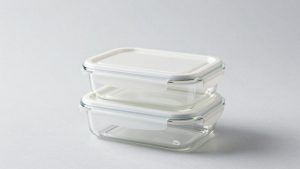
Glass is the first choice for a kitchen that regularly stores and reheats leftovers in the same dish. The IKEA 365+ glass three-pack illustrates that routine with three matching containers and bases rated for oven use with their lids removed. For lunches carried daily, weight and the lid design may matter more.
| Product | Main material | Best for | Capacity | Main trade-off |
|---|---|---|---|---|
| IKEA 365+ rectangular glass three-pack, 206.252.52 | Heat-resistant glass | Everyday leftovers and reheating at home | Three 34-fl-oz dishes | Rigid glass is heavier to carry than a comparable plastic box |
| OXO Good Grips Smart Seal 12-piece glass set | Borosilicate glass | Sauces, sides, and separately prepped ingredients | Six dishes, 4 fl oz to 3.5 cups | Only one 3.5-cup dish |
| IKEA 365+ rectangular stainless steel with lid, 595.671.09 | Stainless steel | Cold lunches and food you transfer before reheating | One 34-fl-oz box | Opaque body and separate dish for microwaving |
| Rubbermaid EasyFindLids 24-piece, 2135630 | Rigid plastic | Small leftovers and lightweight storage | Twelve dishes, 0.5 to 7 cups | One bundle takes up more space than a small starter set |
| IKEA 365+ rectangular plastic with lid, 295.671.01 | Rigid plastic | Larger fridge or freezer batches | One 68-fl-oz box | A full box is less convenient for individual portions |
| Stasher Stand-Up Mid Bag | Flexible silicone | Frozen portions and foods with irregular shapes | One 56-fl-oz pouch | The pouch opening is narrower than a wide, rigid dish |
The table lists the material of the body. A glass or steel container can still use a plastic lid and a silicone seal. Check each part separately if you are looking to reduce plastic contact, use a dishwasher, or put the dish in an oven. Capacity figures are nominal. Leave room for the lid, for stirring, and for any headspace the manufacturer specifies when freezing.
How we chose the best material for food storage containers
We selected U.S.-market examples that show how a material changes the way you use the container. The picks compare published construction, sizes, lid designs, and care instructions. Each recommendation starts with a task such as reheating a main dish or packing a lunch that will be eaten cold.
This is an editorial comparison of manufacturer specifications checked November 13, 2026. There was no direct drop, leak, or odor testing. The product picks reflect specific uses, and the comparison does not rank materials by health effects. Manufacturer appliance instructions apply to the exact model, including its base and lid. A useful label such as freezer-safe covers a particular use and leaves other questions, such as how to thaw the food, to the product directions and your routine.
Which food storage container should you buy?
Start with what happens immediately after the food comes out of storage. If you often warm leftovers in the same dish, look at the glass options first. If you empty the container onto a plate or eat the food cold, a lighter rigid box, an opaque steel container, or a flexible pouch may work better.
IKEA 365+ glass three-pack for everyday leftovers
The IKEA 365+ rectangular glass three-pack, article 206.252.52, includes three 34-fluid-ounce dishes with polypropylene lids and silicone seals. It is the first pick for most home kitchens because the matching dishes stack and the base can serve as the storage dish, reheating dish, and serving dish.
Use one for a leftover entrée and another for roasted vegetables or a separate lunch portion. The transparent sides make it easy to see what is inside, even when a dish sits below another. A rectangle also gives you a straight edge to line up along a shelf. Since all three dishes are the same size, they suit recurring portions better than a collection of mixed bowls that are difficult to stack.
IKEA describes the glass base as oven-safe and says the lid must stay out of the oven. Check the care directions for the base and lid before using the microwave. Glass has a useful role when you can move the dish from the fridge to the appliance according to the maker’s instructions and serve from it afterward. If you always serve the food cold or reheat it on a separate plate, you gain less from that extra versatility.
- Buy if you store and reheat regular meal-size portions at home.
- Skip if you want a lightweight box you will carry on foot every day or a set full of smaller side dishes.
OXO Smart Seal borosilicate glass for small portions
The OXO Good Grips Smart Seal glass set, SKU 11436500B, has six dishes with locking lids. Two hold 4 fluid ounces, two hold 1 cup, and the other two hold 1.6 and 3.5 cups. This is a better fit for storing several small ingredients separately than for dividing one recipe into six matching lunches.
A 4-ounce glass rectangle makes sense for a serving of dressing or a thick sauce, while the 1-cup rounds work for larger add-ons. Keeping toppings separate is helpful if you reheat the main dish and add the other ingredients later. The mix of shapes also gives you options for foods you scoop with a spoon and pieces you want to lay flat. If drawer space is tight, plan where to keep the different lids.
The manufacturer specifies borosilicate glass and describes the plastic lids as having four tabs and removable gaskets. The removable gasket matters when food collects in the groove after repeated use. Wash the parts according to the instructions and reseat the gasket evenly. The word borosilicate identifies the base material. For temperature changes and appliance use, follow the directions for the exact dish you buy.
- Buy if you already have main dishes and want several small glass containers for separate ingredients.
- Skip if you need three or more identical main-meal boxes. The IKEA glass set serves that use better.
IKEA 365+ stainless steel for lunches eaten cold
The 34-fluid-ounce IKEA 365+ rectangular stainless steel container with plastic lid, article 595.671.09, suits lunches you eat cold or transfer to another dish before reheating. The steel body is a practical choice when a glass base is awkward to carry, and the rectangle gives a sandwich or wrap room to lie flat.
Choose it for lunches such as a grain salad, a sandwich with a small side, or sliced fruit. The body is opaque, so identify the contents from the top or label the lid when several boxes share a refrigerator shelf. For a work lunch where you routinely want to heat the food in the container it came in, choose a model with explicit microwave instructions. Transfer food from this steel box to a microwave-safe dish before heating it.
The lid is a separate part of the system. Check the actual lid material and seal before assuming a steel body removes plastic from the whole package. If avoiding contact with the lid matters to you, consider how you pack the box and whether the food will touch the underside during transport. A rigid lid that fits well can matter more for that trip than the metal construction alone.
- Buy if you want a rigid, opaque container for cold food or have a plate available for reheating.
- Skip if you need to see the contents at a glance or plan to microwave lunch in its storage dish.
Rubbermaid EasyFindLids rigid plastic for small leftovers
The Rubbermaid EasyFindLids 24-piece set, model 2135630, contains twelve containers and their lids. It is the pick for households that frequently store small amounts and want a lighter set. The lids snap together by size, and the smaller bases nest so they can share space when clean and empty.
The bundle includes three half-cup, three 1.25-cup, two 2-cup, one 3-cup, two 5-cup, and one 7-cup dish. Use the small dishes for a side of salsa, a small cooked portion, or ingredients you want to add to the next meal. A correctly sized dish can free up shelf area compared with a large lunch box holding only a few spoonfuls. The larger pieces are there for the occasional leftover dinner.
Rubbermaid specifies microwave reheating in the base with the lid removed for this model. Use that model-specific instruction rather than applying it to all plastic containers. If your usual leftovers are meals you want to warm in an oven, the IKEA glass pick is a better match. If you mostly need containers that are easy to take out, wash, and put away in groups, the plastic bases and lid system make practical sense.
- Buy if you need several small capacities and want lids that organize by size.
- Skip if you only need two or three containers or mainly use an oven to reheat.
IKEA 365+ 68-oz rigid plastic for larger batches
The 68-fluid-ounce IKEA 365+ rectangular plastic container, article 295.671.01, fits family-size leftovers or prepared ingredients that need more room than a lunch box provides. The clear body lets you see the contents, and the lid has a manufacturer-stated leakproof closure for covered storage.
At 68 fluid ounces, the published capacity is about 8.5 cups. That makes sense for a batch of washed produce or food you intend to serve in several portions. Think about where the full box will sit. A large container that fits an open counter may still block access to smaller items when it sits at the front of a crowded refrigerator shelf. Measure the lid footprint and allow space to lift it out.
IKEA lists the model for refrigerator and freezer use. For cooked leftovers, use several shallow containers if one deep batch would cool slowly. A large box can be useful for storing foods you will portion later. Several smaller dishes are more convenient when people eat at different times or want to take single servings out of the freezer. Buy the large size because you need its capacity regularly, rather than using it to replace every small container.
- Buy if your usual storage problem is fitting a larger quantity in one clear, rigid box.
- Skip if you mostly remove a single serving at a time or need a base that can go in the oven.
Stasher Stand-Up Mid silicone bag for flexible storage
The Stasher Stand-Up Mid Bag holds 56 fluid ounces and uses a flexible silicone body. The stand-up shape helps when you fill it on a counter. Choose it for frozen fruit, irregularly shaped ingredients, or a pouch that can fit around other items in a freezer drawer where rigid corners tend to catch.
A pouch can bend around some foods as it fills, which helps when the shape of the contents varies. Check the opening before buying if you often store large chunks or want to transfer food with a wide scoop. A rigid glass dish gives you more direct access to the corners with a fork or spoon. In a drawer or freezer bin, store the pouch so you can see its label without moving everything in front of it.
Look at the closure and cleaning routine as well as the body. Follow the maker’s instructions for sealing and using the bag in appliances. After washing it, allow the inside and the folds to dry before closing it for storage. If you portion multiple servings, fill separate bags or divide the food before freezing. One large pouch of frozen food is harder to split when you only need a little.
- Buy if flexible shape matters more than a broad opening or a rigid stack.
- Skip if you want to eat straight from a dish, stack lunches by size, or remove a full serving with a wide utensil.
How to choose by material and daily use
Choose the body material for the jobs you repeat, then check the lid and dimensions on the exact product. One box may work in a freezer drawer but feel cumbersome to fill or wash. The right choice should fit the way you portion food, the space where it sits, and how you want to serve it afterward.
Match the base and lid to your reheating routine
Check the appliance directions for each part before buying. A glass dish may go into an oven with its lid removed, while a rigid plastic base may be rated only for specific microwave reheating. If you eat at work, think about where you will put the lid and how you will cover the dish if the directions call for removing it.
For meals you reheat in a dish, glass can save you a transfer and a second plate. A steel box can be more convenient on a commute if there is a plate available at the destination. If you routinely move frozen portions into a hot appliance, follow the exact product’s directions on temperature changes and thawing. The material name alone gives too little information about a particular container’s permitted use.
Choose the closure separately from the body material
A rigid body supports the shape of your meal, while the closure determines how the lid seats and how easy it is to clean. If you carry dressing or soup, check the claim for the exact lid and make sure the gasket sits flat. For dry or firm foods, a lid you can open and wash comfortably may matter more.
If you already own a box, inspect the rim after packing sticky foods or small seeds. Clean the contact surfaces before closing the lid. A small water check over a sink can reveal a poorly seated lid before you put the box in a bag. It tells you how that particular unit behaves during the check. For dressings or wet toppings you want to serve later, a separate small container makes it easy to add them at the table.
Plan storage around the portion you will take out
Match the container to what you expect to use at one time. A big box can be convenient for a family meal and awkward for a single lunch. Small matching dishes help if you want several portions ready, while a flexible pouch works well when frozen ingredients will move to another dish before serving.
For cooked leftovers, USDA advises dividing food into shallow containers and using refrigerated leftovers within three to four days or freezing them for longer storage. Use enough containers to divide a big batch, and label what you plan to freeze. When choosing between a deep box and a shallower set, think about when you cooked the food, the portions you will use first, and how easily you can reach the frozen ones.
Conclusion
Choose glass if you store and reheat most leftovers in the same dish. Use rigid plastic for lightweight storage, stainless steel for cold lunches or meals you transfer before heating, and silicone where a flexible shape helps. Then check the exact lid, capacity, and appliance directions before buying.
More from Amazon
Programs that pair well with the guide above. Offers and eligibility are set by Amazon and may change.
Set up recurring deliveries of everyday items on eligible products. Terms and savings are set by Amazon.
Explore Subscribe & SaveCollect the home and kitchen items you want in one registry that guests can shop from.
Create a wedding registryFree shipping on eligible items, Prime Video and more. Eligible new members can start with a free trial.
Start a Prime free trialAudiobooks and podcasts to listen to on the go. Eligible new members can start with a free trial.
Try Audible freeAs an Amazon Associate we earn from qualifying purchases.