Key takeaways
- 2 ounces rye whiskey or cognac
- 1/4 ounce rich simple syrup, preferably 2:1 sugar to water
- 3 dashes Peychaud’s bitters
- 1 teaspoon absinthe, for rinsing the glass
- 1 wide strip of lemon peel, with as little white pith as possible
- Ice, for chilling and stirring only
A classic sazerac recipe uses 2 ounces of rye whiskey or cognac, 1/4 ounce of simple syrup, 3 dashes of Peychaud’s bitters, an absinthe rinse, and a lemon-peel finish, served strained and ice-free in a chilled rocks glass.
Classic Sazerac Recipe
Yield: 1 cocktail
Prep time: 5 minutes
Glass: 6- to 10-ounce rocks glass
Serving style: Strained, without ice
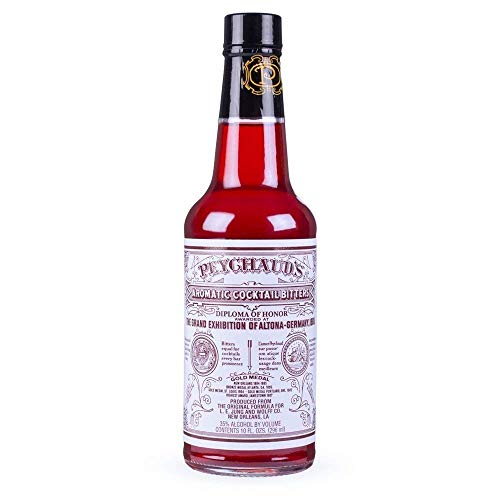
Peychaud's Aromatic Cocktail Bitters - 10 Ounce Bottle
Included for 'Sazerac Recipe: Classic New Orleans Cocktail' because the listing specifies 10 Ounce Bottle, details this guide uses to compare options.
View on Amazon
Peychaud's Aromatic Cocktail Bitters - 10 Ounce Bottle - PACK OF 3
Included for 'Sazerac Recipe: Classic New Orleans Cocktail' because the listing specifies 10 Ounce Bottle and PACK OF 3, details this guide uses to compare options.
View on AmazonIngredients
- 2 ounces rye whiskey or cognac
- 1/4 ounce rich simple syrup, preferably 2:1 sugar to water
- 3 dashes Peychaud’s bitters
- 1 teaspoon absinthe, for rinsing the glass
- 1 wide strip of lemon peel, with as little white pith as possible
- Ice, for chilling and stirring only
Rye or Cognac: Which Should You Choose?
Choose rye whiskey for a drier, spicier Sazerac with pepper, baking spice, and a firm finish. Choose cognac for a rounder, fruitier drink with softer oak and a more polished texture. Both are traditional choices, and neither needs to be an expensive bottle because the cocktail also includes bitters, sugar, and absinthe.
| Base | Flavor profile | Best for | Recommended strength | Amount per drink |
|---|---|---|---|---|
| Rye whiskey | Spicy, dry, peppery | Drinkers who prefer a sharper cocktail | 90-100 proof | 2 ounces |
| Cognac | Fruity, smooth, gently oaked | Drinkers who prefer a softer cocktail | 80-90 proof | 2 ounces |
| Rye-cognac split | Spiced but rounded | Experimenting without losing structure | 80-100 proof combined | 1 ounce each |
How to Make a Sazerac
1. Chill the serving glass
Fill a rocks glass with ice and cold water, then set it aside while you prepare the drink. For a more thorough chill, place the glass in the freezer for 10 to 15 minutes. A properly chilled glass helps the cocktail stay cold after straining because the Sazerac is served without ice.
2. Rinse the glass with absinthe
Pour 1 teaspoon of absinthe into the chilled glass. Rotate the glass slowly so the absinthe coats the bottom and lower inside walls. Pour out the excess. Do not skip this step by adding a full measure of absinthe to the mixing glass; the rinse is meant to provide a concentrated anise aroma without dominating the whiskey or cognac.
If you want a subtler rinse, use 1/2 teaspoon. For a more pronounced anise character, use up to 1/4 ounce, but larger amounts can make the finished drink taste medicinal or overly sweet.
3. Combine the cocktail
Add the rye or cognac, simple syrup, and Peychaud’s bitters to a mixing glass. Fill it with fresh, dense ice. Stir for approximately 20 to 30 seconds, or until the outside of the mixing glass becomes cold and lightly frosted.
Stirring chills and dilutes the drink gradually without adding the aeration and cloudiness that shaking can create. The exact dilution depends on the size and temperature of the ice, so the chilled mixing glass is a better guide than a rigid stopwatch.
4. Strain and finish
Discard the ice and water from the absinthe-rinsed glass. Strain the cocktail into it. Cut a lemon peel about 2 inches long, hold it over the drink with the yellow side facing downward, and squeeze it once to express the citrus oils across the surface. Rub the peel lightly around the rim, then discard it or place it in the glass according to your preference.
The classic presentation uses the expressed peel without lemon juice. Adding juice changes the Sazerac into a brighter, more sour drink rather than the traditional spirit-forward version.
Precise Measurements and Scaling
For consistent meal-prep-style batching, measure each ingredient rather than relying on free-pouring. A single drink contains 2 ounces of base, 1/4 ounce of syrup, and 3 dashes of bitters. A four-drink batch therefore requires 8 ounces of rye or cognac, 1 ounce of syrup, and 12 dashes of bitters.
| Batch size | Rye or cognac | Simple syrup | Peychaud’s bitters | Absinthe |
|---|---|---|---|---|
| 1 drink | 2 ounces | 1/4 ounce | 3 dashes | 1 teaspoon rinse |
| 4 drinks | 8 ounces | 1 ounce | 12 dashes | 4 teaspoons for rinsing glasses |
| 8 drinks | 16 ounces | 2 ounces | 24 dashes | 8 teaspoons for rinsing glasses |
For a batch, combine the base, syrup, and bitters in a sealed bottle and refrigerate it. Do not add ice until serving, because melting ice will dilute the entire batch unevenly. Chill the batch for at least 2 hours, then pour approximately 2 1/4 ounces into each absinthe-rinsed glass and stir briefly with ice before straining. Batching improves speed, but individual stirring usually gives more control over dilution.
Equipment That Makes the Biggest Difference
- Mixing glass: A 16- to 24-ounce vessel gives enough room for ice and a bar spoon to circulate smoothly.
- Bar spoon: A spoon with a twisted shaft is useful for steady, controlled stirring, although any long-handled spoon works.
- Jigger: A 1- and 2-ounce measuring tool makes the rye-to-syrup ratio repeatable.
- Fine strainer: Optional, but helpful if small ice fragments or citrus pulp enter the mixing glass.
- Y-peeler or sharp paring knife: Produces a broad peel with enough surface area to express citrus oil.
A mixing glass is not essential: a clean pint glass can work. The more important features are sufficient capacity, a stable base, and a smooth interior that allows ice to move without excessive splashing.
Common Sazerac Mistakes
Using too much absinthe
The rinse should perfume the glass, not supply most of the cocktail’s liquid. If the anise aroma overwhelms the rye or cognac, reduce the rinse to 1/2 teaspoon before changing the other ingredients.
Serving it over ice
A Sazerac is traditionally strained into the rinsed glass without ice. Ice can keep it cold longer, but it also continues diluting the drink. If you prefer a slower, colder drink, use one large cube rather than a glass full of small cubes.
Substituting regular syrup without adjusting the amount
Standard 1:1 simple syrup is thinner and less concentrated than rich 2:1 syrup. If using 1:1 syrup, start with 1/4 ounce and add a small amount more only if the drink tastes too dry. Avoid adding granulated sugar directly to the finished drink, since it may not dissolve fully in a cold, spirit-heavy mixture.
Overworking the lemon peel
Press the peel once to release its oils. Twisting it aggressively or dropping a large amount of pith into the drink can introduce bitterness. A fresh peel should smell bright and citrusy immediately after expression.
Storage and Cleanup
Refrigerate homemade simple syrup in a clean, sealed container. A 2:1 syrup generally keeps longer than a 1:1 syrup because it contains less water, but discard it if it develops an off smell, mold, or visible fermentation. Wash the mixing glass and strainer promptly so syrup does not dry into a sticky film. Rinse bar tools with warm water after using absinthe, as its strong aroma can linger on plastic, rubber, and porous materials.
The best Sazerac is cold, measured, and aromatic: choose rye for spice or cognac for softness, rinse rather than pour in the absinthe, stir with ice for controlled dilution, strain into a chilled glass, and finish with expressed lemon oil rather than lemon juice.