Key takeaways
- Protein: 2–3 ounces of chicken, turkey, beans, lentils, tofu, egg, yogurt, cheese, or seed butter.
- Produce: ½–1 cup of fruit and/or vegetables, cut into manageable pieces.
- Whole grain: One small whole-grain wrap, ½–1 cup cooked grains, or one slice of whole-grain bread.
- Healthy fat: 1–2 teaspoons of olive-oil dressing, avocado, nut or seed butter, tahini, or seeds.
The best healthy school lunch recipes kids will eat combine one dependable protein, one colorful fruit or vegetable, one whole grain, and a small portion of healthy fat in familiar, easy-to-open foods.
The goal is not to make lunch look like a restaurant plate. It is to build a packable meal with enough variety to be satisfying, portions that match a child’s appetite, and flavors that do not require reheating. The recipes below are designed for insulated lunch bags, divided containers, and ordinary school schedules.
A practical school-lunch formula
Use this four-part structure as a quick planning guide:
- Protein: 2–3 ounces of chicken, turkey, beans, lentils, tofu, egg, yogurt, cheese, or seed butter.
- Produce: ½–1 cup of fruit and/or vegetables, cut into manageable pieces.
- Whole grain: One small whole-grain wrap, ½–1 cup cooked grains, or one slice of whole-grain bread.
- Healthy fat: 1–2 teaspoons of olive-oil dressing, avocado, nut or seed butter, tahini, or seeds.
These are starting portions, not rules. Younger children may need less, while active older children may need more. Let appetite, school guidance, allergies, and your child’s dietitian or clinician inform adjustments.
Best lunchbox combinations by situation
| Situation | Best format | Typical portion | Why it works | Packable container |
|---|---|---|---|---|
| Short lunch period | Snack box | 3–4 small components | Easy to eat quickly without utensils | 4-compartment container, 16–20 oz |
| Very hungry child | Wrap or grain bowl | 2–3 oz protein plus ¾ cup grain | More filling and compact | Leak-resistant container, 20–28 oz |
| No refrigerator access | Shelf-stable lunch | Protein pouch or seed butter plus fruit | Less dependent on school storage | Insulated bag with two frozen packs |
| Selective eater | Deconstructed meal | Small portions of familiar foods | Allows choice without mixing textures | Divided container, 20–24 oz |
| Frequent prep, limited time | Batch-cooked bowl | ½ cup grain, 2 oz protein, ½ cup produce | Three or four lunches from one cooking session | Stackable containers, 24–30 oz |
Six healthy school lunch recipes kids will eat
1. Turkey, cheese, and apple roll-ups
Per lunch: one 8-inch whole-grain tortilla, 2 ounces sliced turkey, 1 slice mild cheese, 1 teaspoon mustard or hummus, ½ cup apple slices, and ½ cup cucumber rounds.
Spread the tortilla thinly with mustard or hummus, add turkey and cheese, then roll tightly and slice into pinwheels. Pack the apple with a little lemon juice if browning is a concern. Add a small portion of pumpkin seeds or an individually portioned seed-butter packet for healthy fat, provided it meets school allergy rules.
Best for: children who prefer familiar sandwiches but enjoy finger foods. Keep the cucumber separate so the tortilla does not become wet.
2. Chicken pesto pasta salad
Makes four lunches: 3 cups cooked whole-wheat pasta, 8 ounces cooked chicken, 1 cup halved cherry tomatoes, 1 cup chopped roasted bell pepper, ¼ cup pesto, and 1 tablespoon olive oil or lemon juice.
Cool the pasta and chicken promptly, then mix with the vegetables and pesto. Divide into four portions of approximately 1 cup each. For a smaller appetite, pack ¾ cup pasta salad with ½ cup grapes or berries. Use a mild pesto or replace it with olive oil, grated Parmesan, and a pinch of dried Italian herbs.
Because cooked chicken and pasta are perishable, pack them cold in an insulated lunch bag. This is a no-reheat recipe, but it still needs temperature control.
3. Hummus pita dippers
Per lunch: ¼–⅓ cup hummus, one small whole-wheat pita, ½ cup carrot sticks, ½ cup bell pepper strips, and ½ cup grapes or orange segments.
Cut the pita into triangles and keep the hummus in a leak-resistant cup. For extra protein, add a hard-boiled egg, ½ cup plain Greek yogurt, or 2 ounces of cheese if those foods are acceptable for your child and school.
This lunch is easy to customize. A child who dislikes raw vegetables can receive steamed and chilled broccoli florets instead. Avoid overfilling the dip cup; a 2-ounce cup is usually sufficient and reduces spills.
4. Peanut-free sunflower-butter banana sandwich
Per lunch: two small slices of whole-grain bread, 1½ tablespoons sunflower-seed butter, ½ small banana sliced lengthwise, and ½ cup strawberries or blueberries.
Spread the sunflower butter on both slices of bread and place the banana between them. For a less sweet version, use thin apple slices instead of banana. Check the seed-butter label and your school’s allergy policy, since “peanut-free” rules vary.
To prevent sogginess, dry washed fruit thoroughly and avoid packing the sandwich while it is warm. A small reusable silicone bag or a rigid sandwich compartment helps protect the bread from being crushed.
5. Mediterranean turkey and couscous box
Per lunch: ½ cup cooked whole-wheat couscous, 2 ounces turkey meatballs or sliced turkey, ½ cup cucumber and tomato, 2 tablespoons crumbled feta, and 1 tablespoon olive-oil lemon dressing.
Pack the couscous and protein in the largest compartment, with vegetables and feta in separate sections. Put the dressing in a 1-ounce leak-resistant container. If your child does not like mixed salads, serve each ingredient separately with a whole-grain cracker portion.
Prepare the couscous and meatballs ahead of time, cool them safely, and refrigerate. Pack straight from the refrigerator rather than allowing the lunch to sit at room temperature during preparation.
6. Black bean and cheese quesadilla wedges
Per lunch: one 8-inch whole-grain tortilla, ⅓ cup rinsed black beans, ¼ cup shredded cheese, 2 tablespoons corn, and ¼ avocado or 2 tablespoons guacamole.
Warm the tortilla, beans, corn, and cheese in a skillet until the cheese melts, then cool completely before cutting into wedges. Pack with salsa in a separate 2-ounce container and add fruit on the side. The quesadilla is intended to be eaten cool or at room temperature, not kept warm for several hours.
For better texture, drain beans thoroughly and use a thin layer of filling. A thick quesadilla is more likely to split or remain warm in the center while cooling.
Lunchbox safety that affects recipe choice
Perishable foods such as meat, poultry, eggs, dairy, cooked grains, and cut fruit should stay cold. Use an insulated lunch bag with at least two cold sources for a full school day, especially if the lunch will not go into a refrigerator. Keep the bag out of direct sun and follow your school’s storage instructions.
As a general safety benchmark, do not leave perishable food at room temperature for more than two hours, or more than one hour when the surrounding temperature is above 90°F. When in doubt, discard leftovers rather than sending them back the next day. Wash hands, cutting boards, and reusable containers after preparation, and dry container seals completely before storage.
Container features worth paying for
| Feature | Useful specification | Best use | Ownership reality |
|---|---|---|---|
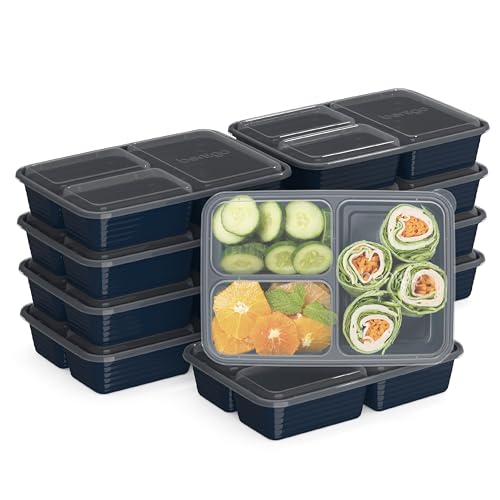
| Divided lunchbox | 20–28 oz total capacity | Roll-ups, snack boxes, quesadillas | Removable seals are easier to clean than fixed narrow channels |
| Small dip cup | 1–2 oz, screw-top or locking lid | Hummus, salsa, dressing | Small lids and silicone gaskets are easy to lose |
| Insulated lunch bag | At least 6–10 liters of usable space | Meal, drink, and two cold packs | Interior lining and zipper seams usually show wear first |
| Reusable cold pack | 10–16 oz each; two per lunch | Cold chicken, dairy, and pasta | Discard packs that leak, swell, or develop cracked shells |
| Leak-resistant container | 24–30 oz with four-sided seal | Grain bowls and sauced foods | Do not assume “leak-resistant” means safe for soup turned upside down |
Prep once, assemble three ways
A simple weekly setup can produce several lunches without making every recipe from scratch. Cook 3 cups of whole grains, prepare 12 ounces of protein, wash and cut approximately 6 cups of produce, and portion two sauces. At ¾ cup grain, 2 ounces protein, and ½ cup produce per lunch, that amount covers about four to five lunches.
Store ingredients separately so textures remain appealing. Assemble cold lunches the night before or that morning, then place them immediately in the refrigerator until packing. Label containers with the child’s name and open the lunchbox at home once a week to check for lingering odors, stained silicone, damaged hinges, or cracked plastic.
Common mistakes to avoid
- Packing too much food: start with small portions and add a refillable snack only if needed.
- Mixing wet ingredients into bread or crackers hours before lunch.
- Using one small ice pack for a large lunch containing several perishable foods.
- Choosing a container a child cannot open independently.
- Introducing an entirely unfamiliar recipe on a school morning.
- Assuming a lunch is safe because it smells normal after sitting warm.
The most reliable healthy school lunch recipes are familiar enough to be accepted, balanced enough to sustain a school day, and practical enough to remain appealing after several hours in a lunchbox. Start with one dependable recipe, adjust portions based on what comes home, and rotate sauces, fruits, and vegetables rather than rebuilding the entire meal each week.