Key takeaways
- One filling food: pinwheels, rice balls, pasta, a sandwich, egg, beans, chicken, or tofu.
- One fruit: choose a sturdy option such as berries, melon cubes, orange segments, or sliced pear.
- One vegetable: try steamed broccoli, cucumber sticks, roasted sweet potato, snap peas, or grated carrot.
- One protein or dairy item: yogurt, cheese, hummus, edamame, sunflower-seed spread, or a hard-boiled egg.
- One small extra: whole-grain crackers, popcorn for older children, a homemade oat bite, or a square of fruit.
The best bento box lunch recipes for kids combine one familiar main, two colorful sides, and a small treat in separate portions that match your child’s age, appetite, and school rules.
How to Build a Kid-Friendly Bento
Use this simple formula when planning a lunch:
- One filling food: pinwheels, rice balls, pasta, a sandwich, egg, beans, chicken, or tofu.
- One fruit: choose a sturdy option such as berries, melon cubes, orange segments, or sliced pear.
- One vegetable: try steamed broccoli, cucumber sticks, roasted sweet potato, snap peas, or grated carrot.
- One protein or dairy item: yogurt, cheese, hummus, edamame, sunflower-seed spread, or a hard-boiled egg.
- One small extra: whole-grain crackers, popcorn for older children, a homemade oat bite, or a square of fruit.
For preschoolers, cut foods into soft, manageable pieces and avoid whole grapes, whole nuts, hard raw vegetables, and large chunks of meat. Slice grapes lengthwise into quarters, cook vegetables until tender, and shred or finely chop meat. Follow your school’s age and allergy policies, and supervise children according to your family’s usual safety practices.
Portion Guide by Age
| Child’s age | Main portion | Fruit or vegetable | Protein or dairy | Useful texture |
|---|---|---|---|---|
| 3–5 years | 1/3–1/2 cup | 2–4 tablespoons | 2–3 tablespoons | Soft, moist, bite-sized pieces |
| 6–8 years | 1/2–3/4 cup | 1/4–1/2 cup | 1/4–1/3 cup | Mixed textures with easy-to-grip pieces |
| 9–12 years | 3/4–1 cup | 1/2–3/4 cup | 1/3–1/2 cup | More crunch and larger portions if appropriate |
These are starting points, not targets. A child who eats a substantial breakfast may need less lunch, while an active child may need an additional carbohydrate or protein portion.
Six Colorful Bento Box Lunch Recipes
1. Rainbow Hummus Pita Box
Fill one section with half a whole-wheat pita cut into strips and add 1/4 cup hummus for dipping. Pack cucumber half-moons, steamed carrot coins, and quartered grapes or berries in the remaining sections. For younger children, use soft pita, thin cucumber strips, and cooked carrots.
Allergy-aware swaps: Replace traditional hummus with white-bean dip or mashed avocado. If sesame is restricted, choose a tahini-free dip and check the ingredient label.
2. Mini Turkey, Cheese, and Apple Roll-Ups
Layer a small tortilla with thin turkey slices and cheese, roll tightly, and cut into four pieces. Add thin apple slices tossed with a little lemon juice, plus whole-grain crackers and a few cucumber pieces.
Swaps: Use shredded chicken, mashed beans, or tofu strips instead of turkey. Replace cheese with a dairy-free slice or omit it and add a yogurt-free bean dip. For a nut-free classroom, avoid nut-based spreads and confirm that packaged meats and crackers are produced in an acceptable facility.
3. Teriyaki Rice Ball Bento
Mix cooked rice with finely chopped cooked chicken, tofu, or edamame and form two small rice balls. Add steamed broccoli florets, pineapple tidbits, and a small container of low-sodium dipping sauce. Keep the rice balls compact enough for small hands.
Cool cooked rice promptly before packing. Rice and other cooked foods should not sit at room temperature for extended periods; use an insulated lunch bag with a frozen ice pack when refrigeration is unavailable.
4. Breakfast-for-Lunch Box
Pack mini whole-grain pancakes or a small waffle cut into strips, a peeled hard-boiled egg, sliced strawberries, and a spoonful of yogurt or applesauce. A tiny container of cinnamon or maple syrup can make dipping more appealing without soaking the pancakes.
Egg-free swaps: Use baked tofu cubes, sunflower-seed spread on toast, or a small portion of beans. For dairy-free lunches, choose fortified dairy-free yogurt if it fits your family’s preferences and school policy.
5. Pasta Salad for Beginners
Combine 1/2–1 cup cooled small pasta shapes with chopped cucumber, peas, shredded chicken, and a light olive-oil dressing. Keep dressing separate if your child dislikes wet textures. Add orange segments or melon on the side.
Choose small shapes that are easy to spear with a child-sized fork. Cut cherry tomatoes into quarters rather than packing them whole for younger children.
6. Build-Your-Own Taco Bento
Pack three small soft tortillas, seasoned black beans or shredded chicken, grated cheese, avocado cubes, and corn. Keep juicy ingredients in separate compartments so the tortillas do not become soggy. Older children can assemble the tacos; younger children can eat each ingredient separately.
Allergy-aware swaps: Use dairy-free cheese, mashed beans instead of meat, and corn tortillas if wheat is not suitable. Read salsa labels for hidden allergens and choose a mild variety.
Which Bento Box Setup Fits Your Routine?
| Situation | Recommended format | Useful specifications | Why it works |
|---|---|---|---|
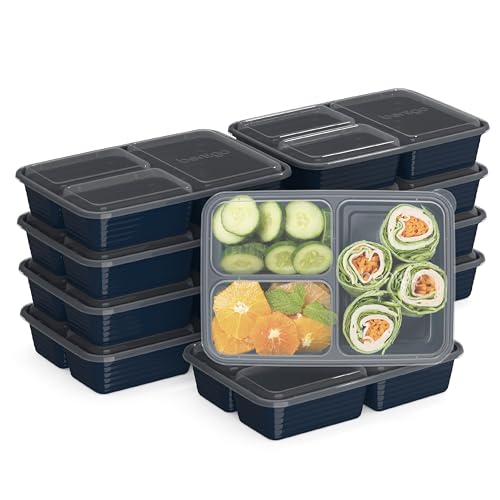
| Young child or small appetite | Four- or five-compartment box | 12–18 oz total capacity; 4–6 oz maximum per compartment | Separates flavors and limits oversized portions |
| Older child or larger appetite | Large compartmentalized box | 20–28 oz total capacity; removable divider preferred | Allows a larger main without needing a second container |
| Foods that must stay warm | Insulated food jar plus snack box | 10–16 oz jar; preheat with hot water for 5 minutes | Separates hot foods from crisp fruit and vegetables |
| Frequent dishwasher use | Simple rigid plastic or stainless-steel design | Fewer than 8 removable parts; silicone gasket available separately | Less disassembly and fewer small parts to lose |
| Mostly dry foods | Lightweight divided box | 16–24 oz; leak resistance not essential | Usually lighter and easier for a child to open |
Packing Order That Protects Freshness
- Chill cooked foods first. Do not place warm pasta, rice, eggs, or chicken beside fresh fruit.
- Pack the least messy foods first. Put dry crackers, wraps, and rice balls into clean compartments before adding dips.
- Use liners for wet fruit. A silicone cup or small leakproof container keeps berries, melon, and applesauce from spreading.
- Separate crisp foods. Keep cucumbers, crackers, and tortillas away from dressing, salsa, and juicy fruit.
- Add cold storage. Place the sealed box beside or on top of a frozen ice pack inside an insulated lunch bag.
- Label the box and check it nightly. Empty leftovers, wash the container, and leave it open to dry completely.
For hot lunches, preheat an insulated jar with boiling water for about five minutes, empty it, then add piping-hot food. Keep the jar upright and follow its care instructions. Do not rely on insulation alone for foods that need refrigeration.
Ownership Details That Matter
The first parts to wear out are usually silicone seals, snap hinges, and small sauce cups rather than the main container. Check whether replacement gaskets and lids are available before buying. A box with many narrow compartments can be convenient, but trapped food around seals increases cleaning time.
Wash boxes soon after use with warm soapy water, paying attention to corners and gasket grooves. Remove silicone seals when the manufacturer permits it, rinse underneath, and air-dry every part separately. Avoid sharp knives, abrasive scouring pads, and high heat unless the care label allows them. Persistent odors often come from damp seals; a thorough wash followed by complete air-drying is more useful than masking the smell.
A practical cost calculation can clarify whether a reusable setup is worthwhile. If a lunch container costs $25 and is used four school days per week for 40 weeks, that is 160 uses in a school year, or about $0.16 per use before accessories. If a separate insulated jar costs $20 and is used twice weekly for the same period, its first-year cost is about $0.25 per use. Replacement seals, ice packs, and lost lids should be included in the household budget.
Three Ways to Make Bento Lunches Easier
- Prep components, not complete lunches: cook grains, wash fruit, steam vegetables, and portion dips on the weekend.
- Repeat a winning pattern: keep the same layout while rotating flavors, such as hummus one day and bean dip the next.
- Let children choose one item: offering a choice between berries or melon, or rice balls or roll-ups, can make the box feel familiar without requiring a separate meal.
The most reliable bento is not the one with the most compartments; it is the one your child can open, recognize, eat comfortably, and return clean enough to wash quickly. Start with one main, two produce choices, and one protein, then adjust portions and textures based on what actually comes home.