Key takeaways
- Start the longest cook first: Heat the oven, prepare the sheet-pan meal, and put quinoa or lentils on the stove.
- Use the waiting time: Chop soup vegetables, portion dry oats, and wash greens. Dry greens thoroughly before storing; trapped water speeds wilting.
- Cool in shallow portions: Avoid sealing large, hot batches in deep containers. Divide food promptly so it cools more evenly.
- Label and date: Mark each container with the dish and prep date. Keep the first meals in front; freeze the later-week portions right away.
- Reheat only what you will eat: Repeated warming and cooling can reduce quality and complicate safe storage. Heat portions until steaming hot, stirring soup and other dense foods so they warm evenly.
Healthy Meal Prep Recipes for the Week
For a balanced week of meal prep, choose recipes that match how much time you have, keep sturdy ingredients in the refrigerator for the first few days, and freeze later-week portions before they lose quality. The recipes below make four portions each, with refrigerator and freezer guidance and practical ways to keep grains, vegetables, and sauces from turning soggy.
Choose recipes by prep time and storage life
Storage times below are conservative quality guidelines for promptly chilled food kept at 40°F (4°C) or colder. Refrigerate cooked food within two hours, using shallow containers so it cools quickly. If you will not eat a portion within three to four days, freeze it as soon as it has cooled rather than waiting until the end of the week.
| Recipe | Active prep | Yield and portion guide | Refrigerator | Freezer |
|---|---|---|---|---|
| Sheet-pan chicken, chickpeas, and vegetables | 20 minutes; about 35 minutes oven time | 4 meals; about 4 oz cooked chicken, ½ cup chickpeas, and 1½–2 cups vegetables per meal | 3–4 days | Up to 2–3 months for best quality |
| Lentil and vegetable soup | 15 minutes; about 35 minutes simmering | 4 generous bowls; about 1½–2 cups each | 3–4 days | Up to 2–3 months for best quality |
| Salmon, quinoa, and greens bowls | 20 minutes; about 20 minutes cooking | 4 meals; about 4 oz cooked salmon and ¾ cup cooked quinoa per meal | 1–2 days for best quality | Freeze salmon and quinoa separately for up to 1–2 months |
| Overnight oats with berries and seeds | 10 minutes; chill overnight | 4 jars; about ½ cup oats and ½ cup milk per jar, plus toppings | 3–4 days | Not recommended; texture can become watery |
These portions are practical starting points, not prescriptions. Adjust amounts to your appetite, household needs, and any guidance from a registered dietitian or other qualified professional.
Four recipes to prep and store
1. Sheet-pan chicken, chickpeas, and vegetables
Best for: A filling lunch or dinner that holds its texture for several days. Time: About 55 minutes total, mostly hands-off.
Ingredients: 1¼–1½ lb boneless chicken, 1 drained 15-oz can chickpeas, 1 lb broccoli florets, 1 bell pepper, 1 small red onion, 1 tablespoon olive oil, paprika, garlic powder, salt, and pepper. Use lemon or a yogurt-based dressing at serving time.
Method: Heat the oven to 425°F (220°C). Cut the vegetables into similar-sized pieces and pat the chickpeas dry. Toss the vegetables and chickpeas with oil and seasonings on a large sheet pan. Add the chicken, leaving space between pieces, and roast until the chicken reaches 165°F (74°C) at its thickest point and the vegetables are tender. Rest the chicken briefly, then divide everything among four containers.
Keep it crisp: Crowding traps steam and softens vegetables. Use two pans if needed, and let the food stop steaming before sealing containers. Pack lemon or dressing separately. Refrigerate portions for the first three to four days; freeze any later portions promptly. Thaw overnight in the refrigerator and reheat until steaming hot.
2. Lentil and vegetable soup
Best for: A budget-conscious, freezer-friendly batch. Time: About 50 minutes, including simmering.
Ingredients: 1 cup dry brown or green lentils, rinsed; 1 diced onion; 2 diced carrots; 2 diced celery stalks; 1 can diced tomatoes; 6 cups low-sodium broth or water; 1 teaspoon cumin; and a handful of spinach or chopped kale.
Method: Soften onion, carrots, and celery in a little oil in a pot. Stir in cumin, lentils, tomatoes, and broth. Simmer until lentils are tender, usually 25–35 minutes, then stir in the greens until wilted. Divide into shallow containers and cool promptly.
Storage: Keep enough for the next three to four days in the refrigerator and freeze the rest in individual portions. Leave a little headspace in freezer-safe containers for expansion. Thaw in the refrigerator or reheat from frozen in a saucepan with a splash of water, stirring until hot throughout. Add delicate toppings, such as herbs or a spoonful of yogurt, after reheating.
3. Salmon, quinoa, and greens bowls
Best for: A fresh first- or second-day meal. Time: About 40 minutes, including cooking quinoa.
Ingredients: Four salmon portions of about 4–5 oz each, 1 cup dry quinoa, 4 cups sturdy greens, 1 lemon, and a dressing packed separately. Season the salmon with pepper and a little salt.
Method: Rinse quinoa and cook according to its package directions. Bake salmon at 400°F (205°C) until it reaches 145°F (63°C) or flakes easily, taking care not to overcook it. Cool the quinoa and fish promptly. Pack quinoa and salmon in separate sections, with greens kept dry and dressing in a small sealed container.
Storage: For best texture, eat refrigerated salmon within one to two days. If making meals for later in the week, freeze cooked salmon and quinoa separately in airtight freezer-safe packaging; use within one to two months for best quality. Thaw in the refrigerator, warm the salmon gently, and add fresh greens and dressing afterward. Freezing greens with the bowl will make them limp.
4. Overnight oats with berries and seeds
Best for: A quick breakfast assembled in advance. Time: 10 minutes, plus chilling.
Ingredients per jar: ½ cup rolled oats, ½ cup milk or unsweetened fortified alternative, ¼ cup plain yogurt if desired, and 1 teaspoon chia or ground flaxseed. Add berries, nuts, or seeds as toppings.
Method: Stir oats, milk, and seeds together in four clean jars. Refrigerate overnight. Add berries and crunchy toppings just before eating; if using frozen berries, thaw them separately or add them shortly before serving so they do not release liquid into every portion.
Storage: Keep refrigerated and use within three to four days. Do not freeze prepared jars: thawing can make the oats watery and the toppings soft. If the mixture thickens more than you like, loosen one portion with a splash of milk when serving.
A practical Sunday prep sequence
- Start the longest cook first: Heat the oven, prepare the sheet-pan meal, and put quinoa or lentils on the stove.
- Use the waiting time: Chop soup vegetables, portion dry oats, and wash greens. Dry greens thoroughly before storing; trapped water speeds wilting.
- Cool in shallow portions: Avoid sealing large, hot batches in deep containers. Divide food promptly so it cools more evenly.
- Label and date: Mark each container with the dish and prep date. Keep the first meals in front; freeze the later-week portions right away.
- Reheat only what you will eat: Repeated warming and cooling can reduce quality and complicate safe storage. Heat portions until steaming hot, stirring soup and other dense foods so they warm evenly.
Containers and common sogginess problems
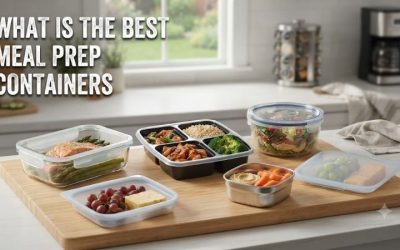
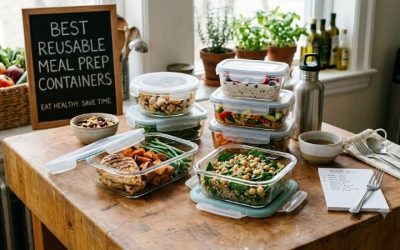
For four lunches, a practical setup is four containers with roughly 3–4 cups (about 700–950 ml) of usable capacity each, plus small 2–4 oz (60–120 ml) leak-resistant cups for dressing. These are planning estimates rather than exact fit rules: leafy meals need more space than compact grain bowls. Choose food-safe containers with tight-fitting lids; glass is sturdy and does not retain food odors as readily, while lightweight plastic is easier to carry. Check the manufacturer’s instructions before microwaving or putting a container in the dishwasher.
- Wet greens: Dry them fully and store apart from warm ingredients. Add dressing at mealtime.
- Soft roasted vegetables: Leave room on the pan, avoid covering them while hot, and reheat uncovered when possible.
- Watery bowls: Drain canned beans well and keep salsa, citrus juice, and other wet toppings separate.
- Freezer damage: Use freezer-safe containers, remove excess air where practical, and avoid leaving food in the freezer uncovered. Discard packaging that cracks or no longer seals.
The best weekly plan is the one you can store and finish safely: prep a mix of sturdy refrigerated meals, freeze anything intended for later in the week, and keep crisp or wet components separate until serving.