
Best wooden cutting board selection often overwhelms home cooks because dull knives, warping surfaces, and synthetic materials ruin daily meal preparation. Selecting the wrong model leads to frequent replacements and sanitary concerns. This detailed guide simplifies your search by evaluating top materials, design styles, and durability.
Essential Criteria for Choosing a Quality Cutting Board
Investing in a high quality prep surface requires understanding how wood characteristics affect long term kitchen performance. Choosing the best wooden cutting board means balancing blade protection, surface durability, visual appearance, and daily maintenance. Evaluating these core factors ensures your selection matches your culinary demands.
Wood Species and Hardness Ratings
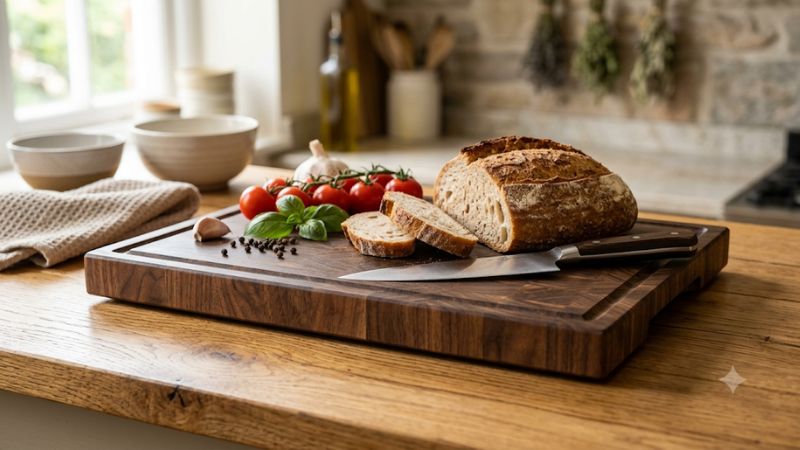
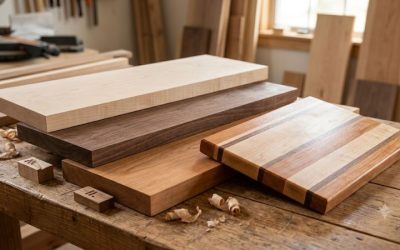
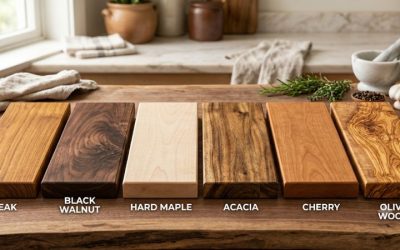
Selecting the best wooden cutting board begins with understanding how wood species and hardness ratings affect work. Hardwood varieties like maple, walnut, and cherry offer ideal resistance levels for everyday culinary prep tasks. Maple provides superior density that resists deep knife scars while remaining gentle on sharp edges.
Teak contains high natural oil levels that resist moisture absorption and bacterial growth exceptionally well over time. However, tropical woods like teak contain silica which can dull delicate knife edges faster than domestic maple. Evaluating wood hardness ensures you pick a surface that balances longevity with blade care.
Grain Structure Construction Options
Edge grain boards display parallel wood strips glued together horizontally to create a strong, stable cutting surface. These models offer remarkable stability against warping and present a budget friendly entry point for serious cooks. They require regular oiling to preserve structural integrity against moisture penetration.
End grain boards position wood fibers vertically so knife blades slip between fibers rather than cutting across them. This self healing construction keeps blades sharp much longer while concealing unsightly slice marks. These premium constructions require extra craftsmanship, making them heavier and more expensive than basic boards.
Surface Size and Board Thickness
Board size must accommodate your regular prep workloads without overcrowding your countertop or sink space. A standard middle size around twelve by eighteen inches handles general vegetable prep and protein slicing easily. Thicker boards measuring at least one and a half inches resist warping and maintain flat stability during use.
Compact kitchens benefit from lighter boards that store easily in standard cabinets or vertical racks. Larger culinary spaces allow heavy butcher blocks that remain permanently on countertops as functional work stations. Choosing the right dimensions prevents kitchen clutter while providing ample room for efficient prep work.
Daily Maintenance and Sanitization Needs
Maintaining wooden surfaces involves regular washing with warm water and mild soap after every cooking session. Dishwasher washing ruins wood by causing severe warping, cracking, and glue degradation within a single cycle. Proper hand drying immediately after washing preserves surface smooth finishes and structural integrity.
Applying food grade mineral oil monthly prevents wood from drying out, cracking, or absorbing stubborn food odors. Beeswax blends add a protective barrier that repels liquids and preserves natural wood colors beautifully. Consistent maintenance routine extends functional lifespan while keeping preparation surfaces hygienic.
Top Picks for Wooden Cutting Boards
Finding the best wooden cutting board involves looking at construction quality, user feedback, and long term performance. The following selections represent outstanding craftsmanship across popular grain types, wood species, and price points. Each reviewed model serves specific kitchen needs, from heavy butchering to everyday slicing.
| Model | Material | Grain Type | Primary Advantage |
| John Boos Maple Block | Hard Maple | Edge Grain | Exceptional Durability |
| Sonder LA Walnut Board | Black Walnut | End Grain | Knife Edge Protection |
| Teakhaus Rectangle | Teak Wood | Edge Grain | Superior Water Resistance |
| Virginia Boys Kitchens | Dark Walnut | Edge Grain | Lightweight and Stylish |
John Boos Block Maple Edge Grain Board
When searching for the best wooden cutting board, John Boos stands as an iconic brand known for professional quality. This maple model features sustainable hard rock maple constructed with tight edge grain alignment. It provides an exceptionally sturdy surface that handles heavy butcher work without showing excessive deep gouges.
Home chefs who value professional kitchen equipment will appreciate this heavy duty surface for extensive chopping. The primary drawback is its substantial weight, which makes washing and sink maneuvering somewhat cumbersome for small kitchens. Regular mineral oil application keeps this durable board smooth and free from surface cracks.
Sonder Los Angeles End Grain Walnut Board
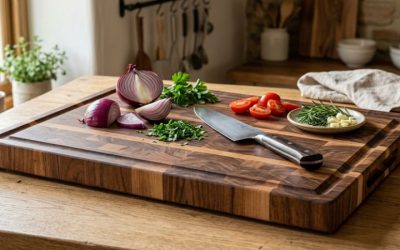
Sonder Los Angeles crafts elegant boards using premium American black walnut in an end grain configuration. This self healing construction allows knife edges to slide between vertical fibers, preserving edge sharpness over time. Deep built in handles and perimeter juice grooves make transferring juices and moving the board effortless.
This board is perfect for culinary enthusiasts seeking high end kitchen aesthetics combined with superior blade care. However, end grain walnut requires frequent oiling to prevent wood drying and higher investment cost compared to edge grain alternatives. Its rich dark wood tone adds luxury to modern kitchen countertop displays.
Teakhaus End Grain Rectangle Board
Teakhaus utilizes sustainably harvested teak wood to create a resilient surface that naturally resists humidity. Finding the best wooden cutting board for humid environments often leads cooks toward teak due to high natural oils. This end grain design absorbs heavy impact smoothly while repelling moisture and stubborn liquid stains.
Active home cooks who prepare raw proteins frequently will love the moisture repelling properties of teak wood. The main tradeoff involves higher silica content within teak fibers, which can dull soft stainless steel knives slightly faster. Proper routine maintenance keeps this board performing reliably across demanding meal prep.
Virginia Boys Kitchens Large Walnut Board
Virginia Boys Kitchens offers an American made walnut board featuring a sleek minimalist profile and warm tones. The edge grain construction highlights natural wood grain variations without adding unnecessary thickness or weight. It works exceptionally well as a multi purpose prep board and an attractive charcuterie serving tray.
Everyday cooks who want a lightweight board that cleans quickly and stores easily will find this model ideal. While it may show superficial cut marks faster than thick end grain blocks, simple sanding restores its fresh surface. Its eco friendly finish arrives unseasoned, requiring initial oiling before first kitchen usage.
Frequently Asked Questions About Cutting Boards
Selecting the best wooden cutting board often brings up practical questions about care, safety, and knife longevity. Addressing these common user inquiries helps clarify proper maintenance habits and clearing common misconceptions. Below are straightforward answers to help you maintain wood boards safely and maximize utility.
Which Wood Type Is Safest for Knives?
Soft hardwoods like sugar maple, walnut, and cherry offer ideal balance for maintaining knife edge sharpness. These woods yield slightly under sharp steel blades without gouging deeply or dulling cutting edges prematurely. Choosing soft hardwoods keeps kitchen knives sharper between routine honing sessions than hard woods.
Avoid extremely hard materials like bamboo or synthetic composite materials if preserving knife sharpness is your main priority. Bamboo contains high silica levels that wear down sharp edges rapidly during daily chopping tasks. Stick with domestic hardwoods to maintain effortless slicing performance and extend knife life.
How Often Should You Oil Wooden Boards?
Applying food grade mineral oil once every month keeps wooden prep surfaces hydrated and protected from warping. In drier climates or under heavy washing routines, biweekly oiling prevents wood fibers from drying out completely. Observing surface color fading or fast water absorption signals an immediate need for oil conditioning.
Using the best wooden cutting board long term requires avoiding food oils like olive or vegetable oil entirely. Cooking oils go rancid over time, creating unpleasant odors and sticky residue across your prep surface. Pure food grade mineral oil or dedicated board creams ensure clean, safe, and odorless maintenance.
Are Wooden Cutting Boards Dishwasher Safe?
Wooden cutting boards must never be washed inside automatic dishwashers under any circumstances whatsoever. High heat temperatures combined with prolonged water immersion degrade wood glue bonds and cause immediate warping. Dishwasher cycles strip essential natural oils, leading to severe surface cracking and structural failure.
Clean your board by scrubbing gently with mild soap, warm water, and a non abrasive sponge after each use. Towel dry the surface thoroughly immediately after washing, then stand it upright on its edge to dry completely. Proper hand washing habits protect wood structure and maintain a safe surface for raw ingredient prep.
How Do You Sanitize Wooden Boards Safely?
Sanitizing wooden surfaces safely involves spraying hydrogen peroxide or diluted white vinegar after washing thoroughly with soap. Allow the liquid to sit for several minutes before wiping clean with a fresh damp cloth and air drying. This process neutralizes lingering surface bacteria without damaging delicate natural wood fibers.
Coarse salt and lemon juice provide an effective natural scrub for removing stubborn food odors and subtle stains. Rubbing half a lemon over salt sprinkled on the board lifts trapped juices while refreshing the surface scent. This simple natural cleaning routine keeps your board sanitized without using harsh chemical solutions.
Final Thoughts
Finding the best wooden cutting board comes down to matching wood species and grain styles with your cooking routine. Whether you prefer durable maple edge grain or gentle walnut end grain, quality wood elevates daily kitchen prep. Invest in proper monthly oiling to enjoy an attractive, hygienic surface for years of cooking.
Write Your Review
No reviews yet. Be the first to share your experience!