
Cutting board best material choices can completely transform your daily cooking routine by preserving knife sharpness while keeping meal preparation safe. Many home cooks struggle with warped boards or dull blades caused by poor surface choices. This guide simplifies your choice by evaluating surfaces so you shop with total confidence.
How to Choose the Ideal Prep Surface
Selecting a cutting board best material option requires balancing knife care with hygiene and maintenance routines. Readers will discover how hardwoods safeguard edge retention while nonporous synthetics offer hassle-free cleaning. Understanding these critical trade-offs ensures you select a surface that matches your culinary habits.
Hardwood Grain and Knife Safety
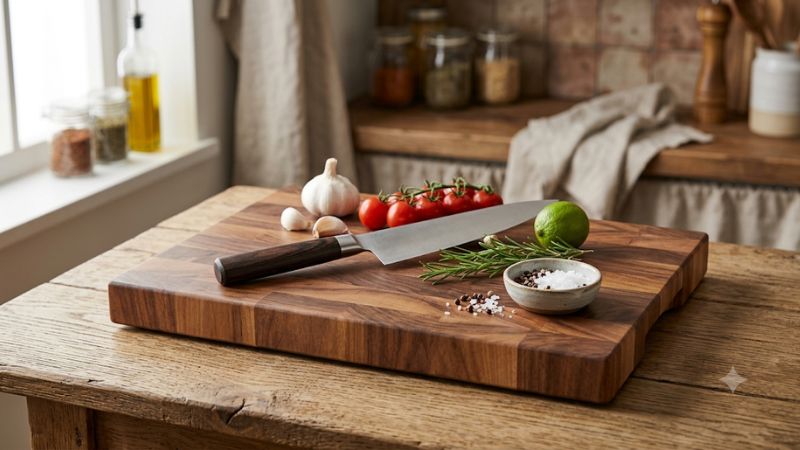
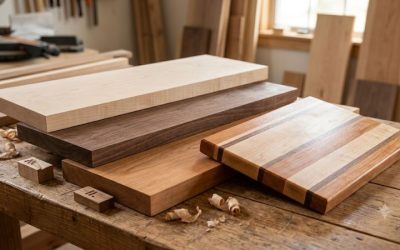
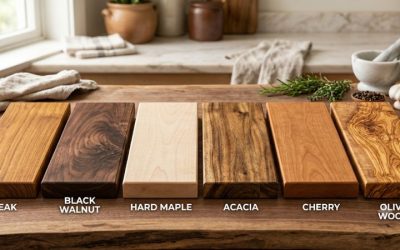
Hardwood options like maple and teak represent top choices for home chefs who prioritize knife longevity and kitchen elegance. The natural wood fibers yield slightly under blade pressure, preventing edge dulling during rapid chopping tasks. These dense woods also contain organic tannins that resist moisture absorption over long periods.
Maintaining wood surfaces requires periodic seasoning with food-grade mineral oil to avoid splitting or drying out over time. While hardwood demands hand washing and regular care, its exceptional durability makes it a rewarding investment for serious cooks. Choosing quality lumber guarantees years of reliable prep performance in your home.
Synthetic Plastic and Hygiene Standards
High-density polyethylene surfaces deliver unmatched convenience for busy home kitchens where speed and sanitary handling matter most. These nonporous boards resist liquid penetration, making them excellent choices for prepping raw meats or seafood safely. You can quickly sanitize plastic boards inside a standard residential dishwasher.
Plastic surfaces eventually develop deep knife grooves that can harbor bacteria if not cleaned thoroughly after heavy use. Replacing plastic boards every few years ensures optimal food safety standards without requiring costly maintenance routines. Their affordable price point allows home cooks to maintain separate boards for raw foods easily.
Bamboo and Eco-Friendly Durability
Bamboo stands out as a highly sustainable option that grows rapidly while offering an attractive surface for daily food prep. This dense grass absorbs very little moisture, which helps prevent swelling or warping even during frequent kitchen use. Eco-conscious cooks appreciate its light weight and sleek appearance on counter space surfaces.
Because bamboo is naturally harder than traditional hardwoods, it can dull sharp knife edges faster if used for heavy chopping. Using bamboo primarily for light vegetable slicing or serving platters helps preserve both your cutlery and the board. Regular hand washing and light oil application will keep bamboo surfaces looking immaculate.
Top Picks for Every Kitchen Need
Finding the cutting board best material product depends heavily on your budget and daily prep habits. Our detailed selection features top performers across wood, plastic, and composite categories to match every kitchen need. Explore these reviewed picks to identify the perfect surface for your specific culinary techniques today.
| Material Type | Knife Care Rating | Dishwasher Safe | Maintenance Level | Best For | | Hardwood (Maple/Teak) | Excellent | No | Moderate | Daily slicing & knife care | | High-Density Plastic | Good | Yes | Low | Raw meats & rapid cleanup | | Organic Bamboo | Fair | No | Low | Light prep & eco conscious | | End-Grain Wood | Outstanding | No | Moderate | Heavy butchering & chef knives |
Teak Wood Edge Grain Board
This premium teak board is ideal for enthusiastic home cooks who want luxury aesthetics combined with heavy-duty performance. Natural teak oils provide self-soothing moisture resistance, preventing cracks even in humid kitchen environments. The rich wood grain acts as an attractive serving platter for cheese boards during dinner parties.
The primary downside is its substantial weight, which makes manual cleaning slightly more demanding than lightweight plastic options. However, its self-healing nature protects fine chef knives from dulling during intensive daily meal preparation. Investing in this teak surface rewards users with unmatched longevity and professional performance.
Commercial High-Density Plastic Board
Designed for busy home cooks and meal preppers, this high-density plastic board focuses on ultimate sanitation and easy maintenance. The nonporous surface withstands high dishwasher temperatures, ensuring thorough sterilization after handling raw poultry or fish. Rubber corner grips keep the board firmly anchored to your countertop while cutting.
While this synthetic surface represents a cutting board best material choice for quick cleanup, deep knife marks can develop over time. Over extended use, deep knife scars may accumulate, requiring occasional resurfacing or eventual replacement for maximum hygiene. Its budget-friendly pricing allows you to replace it without financial stress.
Organic Bamboo Cutting Board Set
This bamboo board set suits eco-friendly cooks seeking lightweight versatility for quick meal preparation and vegetable slicing. Each piece features built-in juice grooves that catch liquids, keeping your kitchen counters clean during active meal prep. The natural bamboo pattern looks lovely when serving appetizers directly to dinner guests.
Because hard bamboo fibers can accelerate knife dulling over time, this set works best alongside softer wooden boards for heavy chopping. Hand washing with mild soap is required to prevent surface cracking or splitting along glued seams. The light weight and multi-size package offer great everyday convenience for smaller residential kitchens.
End Grain Sugar Maple Board
Serious culinary enthusiasts who own high-end knives will appreciate this end-grain sugar maple surface for daily prep work. The vertical wood fibers yield naturally under sharp blade edges, virtually eliminating dulling while self-healing minor cut marks. Its thick profile provides incredible stability during heavy butchering or slicing tasks.
This board requires regular conditioning with food-grade mineral oil and hand washing to prevent moisture damage or surface drying. Its heavy weight requires deliberate handling during cleaning, making it less suitable for quick apartment kitchen prep. The exceptional durability and professional quality justify the higher investment for avid cooks.
Frequently Asked Questions
Understanding how cutting board best material choices influence sanitation, knife care, and longevity helps clear up common kitchen confusion. Below are direct answers to frequent questions regarding material properties and maintenance methods. Read these expert recommendations to preserve your prep surfaces for many years of cooking.
Which Material Is Safest for Raw Meat?
Nonporous materials like high-density polyethylene are widely considered most practical for raw meat preparation due to easy sanitization. Dishwasher heat effectively destroys lingering bacteria trapped in surface grooves without degrading the synthetic plastic material. Using dedicated color-coded plastic boards prevents cross-contamination easily.
Hardwood boards also possess natural antimicrobial properties that trap and neutralize bacteria as the wood surface dries completely. However, wood cannot enter dishwashers and requires thorough hand scrubbing with hot soapy water after raw meat prep. Both materials remain safe when properly cleaned and maintained according to guidelines.
How Do I Prevent Wooden Boards From Warping?
Preventing wooden boards from warping starts with keeping them out of dishwashers and avoiding prolonged soaking in sink water. Excessive moisture causes wood fibers to expand unevenly, leading to dramatic cracks along the glue joints over time. Always wash wood surfaces quickly with warm soapy water and wipe dry immediately using a towel.
Applying food-grade mineral oil once a month creates a protective barrier that seals wood fibers against unwanted moisture absorption. Storing the board upright on its side allows air to circulate evenly across both faces while drying. Following these straightforward care rules keeps your wooden investment flat and functional for decades.
Is Glass a Good Surface for Cutting?
Glass boards are easy to clean and sanitize in dishwashers, but they represent a poor choice for serious food preparation tasks. The unyielding surface damages fine knife edges almost instantly, causing blades to roll or dull after just a few uses. Additionally, slick glass surfaces create dangerous slipping hazards while using sharp cutlery.
While tempered glass functions well as a decorative serving trivet, wood or plastic represents a cutting board best material for daily use. Professional chefs consistently avoid glass surfaces to protect their cutlery investment and maintain precision slicing control. Choosing wood or quality plastic guarantees safer cutting and preserves your expensive knives.
How Often Should I Oil My Wood Board?
Oiling frequency depends on how often you use and wash your wooden board during daily kitchen cooking activities. A reliable indicator is when the wood surface looks pale or dry, or when water drops fail to bead up on top. Applying mineral oil once every three to four weeks maintains protective moisture barriers effectively for most homes.
Never use food cooking oils like olive or vegetable oil because they spoil and turn rancid on wood surfaces over time. Food-grade mineral oil or beeswax blends seal the pores safely without creating unpleasant odor or sticky residue. Regular treatment extends board lifespan and maintains a rich finish across years of continuous daily use.
Final Thoughts
Selecting your cutting board best material depends on balancing knife maintenance, sanitary habits, and aesthetic desires for your home kitchen. Hardwood delivers premium knife protection, while synthetic plastic offers unmatched dishwasher convenience for busy families. Choose the material that fits your routine to elevate your daily prep.
Write Your Review
No reviews yet. Be the first to share your experience!