
Key takeaways
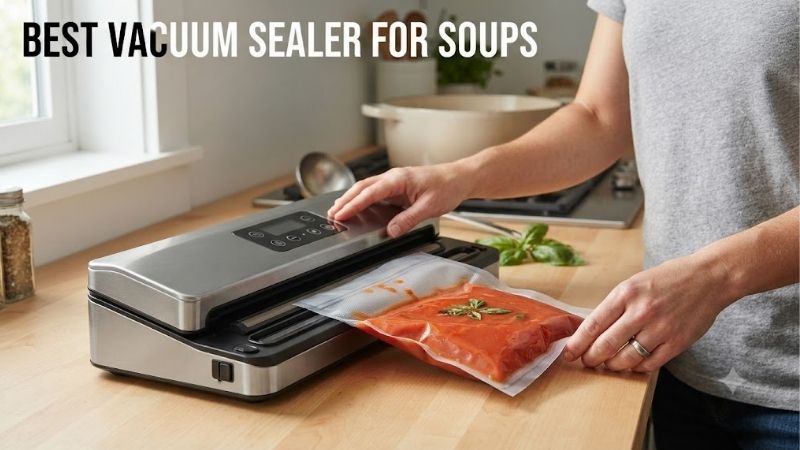
Best vacuum sealer for soups choices make storing liquids effortless without liquid spill disasters. Standard food sealers often draw broth directly into the vacuum channel, destroying the heat seal and ruining the motor. Investing in dedicated liquid preservation technology ensures your homemade stews stay fresh for months.
How to Choose the Right Vacuum Sealer for Soups
Selecting the right machine requires understanding how liquids behave under negative pressure. Ordinary appliances struggle with liquids because suction draws broth straight toward the sealing element. Evaluating pump strength, seal mechanisms, and liquid vacuum sealing features will help you pick a unit that handles broth safely.
Chamber Sealing vs Suction Models
When choosing a machine, understanding the core mechanical difference between chamber units and external suction devices is essential. A chamber vacuum sealer evacuates air from the entire internal space equally. Because internal air pressure drops inside both the bag and chamber simultaneously, liquid stays put inside pouch.
In contrast, external edge machines pull air directly out of the open bag opening. This directional airflow naturally pulls broth up into the sealing strip, causing incomplete heat seals. If you frequently store high-liquid meals, chamber machines provide complete reliability while suction models require pre-freezing tactics.
Liquid Pulse Control & Seal Strength
If you select an external suction model, manual pulse control becomes your most valuable feature. This setting allows you to stop vacuuming the moment broth rises near the sealing strip. Having dedicated moist mode settings automatically lowers suction pressure while extending heat duration to melt through residual moisture.
A wide heat element is equally important when working with damp materials. Thin single seal bars frequently fail when liquid residue gets trapped between bag layers. Look for machines featuring thick thermal strips or dual heating wires to ensure a permanent leakproof boundary that prevents accidental spills during storage.
Machine Footprint and Cleaning Ease
Commercial chamber appliances offer superior liquid handling but occupy substantial counter space and weigh heavily. Home cooks with limited kitchen space should evaluate smaller countertop units or compact suction food sealer models. Consider whether you plan to leave the device out permanently or store it inside pantry drawers.
Liquid accidents happen eventually during weekly meal prep, making maintenance design critical. Removable drip trays catch overflow broth and can be easily washed in the sink. Appliances with integrated drip channels prevent liquid from leaking into internal electrical components, ensuring longer operational life for your kitchen investment.
Bag Compatibility and Pouch Costs
Operating costs depend heavily on the specific pouch types required by your chosen machine. External suction sealers require specialized textured vacuum sealer bags with internal mesh channels to channel air outward. These embossed rolls cost significantly more per unit, which adds up quickly during large batch prep sessions.
Chamber machines utilize flat smooth pouches that are dramatically cheaper to purchase in bulk. Over time, the cost savings on chamber pouches can offset the higher initial price of the appliance. Always factor long-term pouch supply costs into your initial budget before making a final purchasing decision for your home kitchen.
Quick Comparison of Top Vacuum Sealers for Liquids
| Model | Type | Seal Mechanism | Best Feature for Soups | Price Range |
|---|---|---|---|---|
| Avid Armor USV32 | Chamber | Double Seal Bar | Zero liquid displacement in chamber | Premium |
| Anova Precision Chamber | Chamber | Single 300mm Bar | Preset marinate and quick-pickle modes | Mid-High |
| Nesco Deluxe VS-12 | External Suction | Double Heat Seal | Manual pulse & variable pump speed | Mid-Range |
| FoodSaver V4400 | External Suction | Heat Seal Strip | Automatic moist sensor detection | Mid-Range |
| NutriChef PKVS18BK | External Suction | Thermal Heat Bar | Compact size with soft vacuum mode | Budget |
Top Picks
Finding the ideal appliance for liquid meal prep requires comparing real performance against cost. We analyzed top rated models on Amazon, focusing specifically on how well they handle broths, stews, and marinades. Here are the best vacuum sealer for soups options currently available for your kitchen freezer organizing goals.
Avid Armor USV32 Chamber Vacuum Sealer
The Avid Armor USV32 is built for serious home cooks who regularly store large batches of soup and broth. Its spacious chamber handles liquid pouches effortlessly without sucking broth into the pump. The built-in marinate pressure function infuses flavors into proteins within minutes, offering professional results in a home setting.
However, this unit is heavy at 27 pounds and requires significant counter real estate in standard kitchens. The heavy stainless steel frame can also be noisy during full vacuum cycles. Despite its large footprint and higher price tag, its unmatched ability to seal pure liquids without mess makes it an exceptional long-term investment.
Anova Precision Chamber Vacuum Sealer
Anova delivers commercial chamber technology in a compact profile designed specifically for standard kitchen counters. It seals soups effortlessly without requiring liquid freezing, producing a perfect airtight pouch seal every single time. Pre-programmed modes allow for quick pickling, oil infusion, and precise manual vacuum adjustment.
On the downside, the internal chamber capacity is somewhat restrictive for deep soup bags or family-sized portions. You may need to split large soup batches into smaller pouches. Overall, its slick digital interface, quiet pump operation, and reliable liquid handling make it a fantastic choice for modern moderate-volume meal prep.
Nesco Deluxe VS-12 Vacuum Sealer
For budget-conscious cooks who want reliable liquid sealing without buying a chamber unit, the Nesco Deluxe VS-12 excels. It features a double seal bar that ensures extra security against leaks when handling damp foods. Manual pulse settings give complete control, letting you stop air suction before broth gets drawn toward the heat element.
Because this is an external suction machine, sealing pure broth requires careful monitoring or partial freezing prior to packaging. The plastic locking tabs can also feel stiff during heavy continuous use. Nevertheless, its strong pump strength, variable speed options, and budget-friendly price make it the top external sealer for liquid prep.
FoodSaver V4400 2-in-1 Vacuum Sealer
The FoodSaver V4400 provides automatic moisture detection that adjusts seal parameters when damp food is present. It is ideal for general meal prep enthusiasts looking for efficient freezer burn prevention on everyday meals. The integrated handheld sealer attachment effortlessly packages soup jars and zipper bags without needing main roll changes.
The automatic bag detection mechanism can occasionally waste bag material at the end of rolls, increasing waste over time. It also lacks a true manual pulse button, requiring quick manual overrides when handling thin soups. Despite these drawbacks, its automated convenience and dual versatility make it a reliable household workhorse.
NutriChef PKVS18BK Vacuum Sealer
The NutriChef PKVS18BK is a compact, affordable option for casual home cooks who want to seal liquid batches occasionally. Its simple touch-panel controls feature gentle and moist settings that reduce suction strength on wet items. Its lightweight body easily slides into kitchen drawers when meal prep tasks are complete.
The narrow heat element requires completely dry pouch edges to seal reliably, meaning liquid splashes often cause seal failures. It also needs rest intervals between consecutive seals to avoid thermal shutoff. For light duty and budget shoppers, however, it offers solid basic functionality at an accessible introductory price point.
Frequently Asked Questions
Properly packaging liquid meals can raise questions regarding safety, equipment durability, and optimal freezing technique. We answered the most common questions below to help you achieve perfect soup preservation without messy kitchen accidents. These practical tips ensure smooth performance regardless of your chosen sealing method.
Can You Vacuum Seal Hot Soups Directly?
You should never attempt liquid vacuum sealing on boiling hot soup regardless of your sealer type. Warm liquid boils rapidly under vacuum pressure, causing instant overflow inside the chamber or bag. Thermal expansion also prevents proper vacuum creation and can warp plastic pouches or ruin air pumps.
Always chill your soup thoroughly in the refrigerator before starting the sealing process. Cold liquids hold stable volume under negative pressure, ensuring a clean airtight closure. Cooling hot foods first also prevents bacteria growth and protects your freezer from temperature spikes caused by hot food containers.
Why Do Liquids Get Sucked Into Suction Sealers?
An external suction food sealer operates by creating a pressure gradient that draws air outward through the pouch opening. Liquid moves along with air toward areas of lower pressure. Without physical barriers, broth rushes directly into the vacuum channel before the heating bar can complete thermal fusion.
To prevent this issue on suction sealers, pre-freeze soup in plastic blocks or use manual pulse functions carefully. Stopping suction right as liquid reaches the top allows heat sealing without drawing broth into the pump. Using paper towel strips inside the top pouch border can also trap minor liquid droplets.
How Long Does Vacuum Sealed Soup Last in the Freezer?
When properly packaged with a quality machine, frozen soup can maintain optimal flavor and texture for two to three years. Removing oxygen stops oxidation, ice crystal formation, and freezer burn completely. Standard zip bags, by comparison, typically allow quality degradation after just three to six months.
For optimal long-term quality, store sealed soup pouches flat on baking sheets until completely frozen before stacking. Label every pouch clearly with contents and prep date using permanent marker. Storing pouches flat maximizes freezer shelf space and ensures fast, uniform thawing when you are ready to serve.
Are Chamber Sealers Worth it for Soup Prep?
For households that regularly process large batches of stock, chili, or liquid marinades, chamber machines are well worth the investment. They eliminate the hassle of pre-freezing broth and use significantly cheaper pouches. The time saved and frustration avoided make them ideal for dedicated meal preppers.
If you only preserve liquid soups once or twice a year, a high-end suction unit with manual pulse control is sufficient. Assessing your cooking frequency, budget, and counter space will determine whether upgrading to chamber technology makes economic sense for your personal kitchen setup.
Final Thoughts
Choosing the best vacuum sealer for soups depends on your prep volume and willingness to pre-freeze liquids. Chamber sealers provide effortless liquid handling, while suction models offer compact budget value with manual control. Selecting a reliable model ensures long-lasting freezer burn prevention and delicious homemade meals anytime.
Our top picks
 Vesta Precision 12" Vacuum Sealer for Food
- Liquid & Wet Food Vacuum Sealer Mode (Patent…
- Smart Seal Continuous Sealing (Patented): Built for high-volume…
- Jumbo Dual-Roll Storage with Built-In Cutter: Load one…
 Gasbye Chamber Vacuum Sealer
Chamber design removes air even from liquids and soups
Replaceable heating wires extend the sealer's working life
Comes with 30 pre-cut bags and a filler plate
5.3 quart chamber limits the size of items sealed
Heating wires need periodic replacement after heavy use
 AAOBOSI 95KPa 9-in-1 Wet/Dry Vacuum Sealer
- 95KPa of Raw Suction Power
- Customize Your Seal
- Smart Memory
| Product | Key specs | |
|---|---|---|
| Vesta Precision 12" Vacuum Sealer for Food | Liquid & Wet Food Vacuum Sealer Mode (Patent… Smart Seal Continuous Sealing (Patented): Built for high-volume… Jumbo Dual-Roll Storage with Built-In Cutter: Load one… | Check price |
| Gasbye Chamber Vacuum Sealer | Check price | |
| AAOBOSI 95KPa 9-in-1 Wet/Dry Vacuum Sealer | 95KPa of Raw Suction Power Customize Your Seal Smart Memory | Check price |
 DualCore CVS101 Chamber Vacuum Sealer for Liquids DualCore CVS101 Chamber Vacuum Sealer for Liquids | 【𝐃𝐮𝐚𝐥 𝐕𝐚𝐜𝐮𝐮𝐦 𝐙𝐨𝐧𝐞𝐬 & 𝟔 𝐋 𝐂𝐡𝐚𝐦𝐛𝐞𝐫】Seal liquids,… 【𝟏𝟐"𝐃𝐮𝐚𝐥 𝐒𝐞𝐚𝐥𝐬 & 𝐃𝐮𝐚𝐥-𝐂𝐨𝐫𝐞 𝐕𝐚𝐜𝐮𝐮𝐦 𝐒𝐲𝐬𝐭𝐞𝐦】The removable 12"… 【𝐂𝐨𝐦𝐦𝐞𝐫𝐜𝐢𝐚𝐥-𝐆𝐫𝐚𝐝𝐞 -𝟏𝟎𝟎𝐤𝐏𝐚 𝐕𝐚𝐜𝐮𝐮𝐦 𝐏𝐨𝐰𝐞𝐫】With up to -100kPa of… | Check price |
 Avid Armor USV32 Chamber Vacuum Sealer Machine Avid Armor USV32 Chamber Vacuum Sealer Machine | A Fortress for Professional-Grade Sealing: True chamber technology… Stainless Steel Build & Tempered Glass Lid: Built… Rapid Infusion Marinate Mode in Minutes: The USV32… | Check price |
 InstaSeal Upright Vacuum Sealer for Food with InstaSeal Upright Vacuum Sealer for Food with | Lock In Freshness Up To 8x Longer Dry & Moist Modes For Any Food Pulse Mode Protects Delicate Foods | Check price |
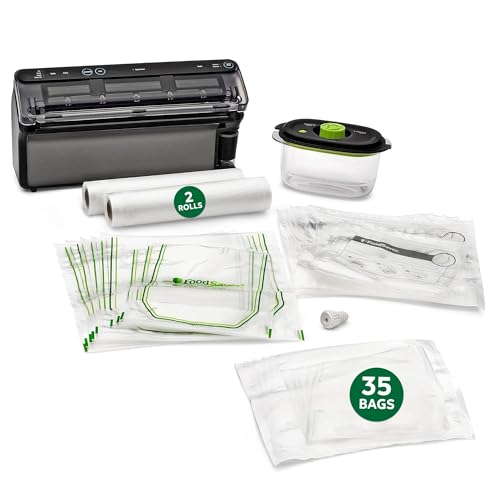 FoodSaver Elite All-in-One Liquid+™ Vacuum Sealer with FoodSaver Elite All-in-One Liquid+™ Vacuum Sealer with | Food vacuum sealer keeps food fresh up to… For the first time ever, easily seal liquids… 6 custom settings including Dry, Moist, Liquid, Sous… | Check price |
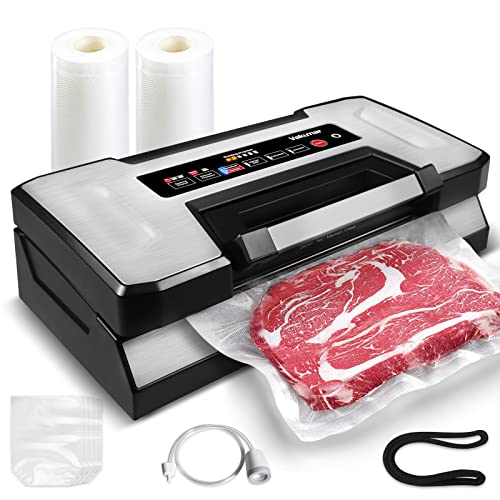 Vakumar Vacuum Sealer Machine Vakumar Vacuum Sealer Machine | 【10 Modes &Variable Modes】-Unique liquid sealing mode -Effectively… 【Fully Automatic Operation & Easy Locking Handle】- 90Kpa… 【Double Heat Seal & 10X Longer Fresh Time】-… | Check price |
As an Amazon Associate we earn from qualifying purchases at no extra cost to you.


Write Your Review
No reviews yet. Be the first to share your experience!