
Key takeaways
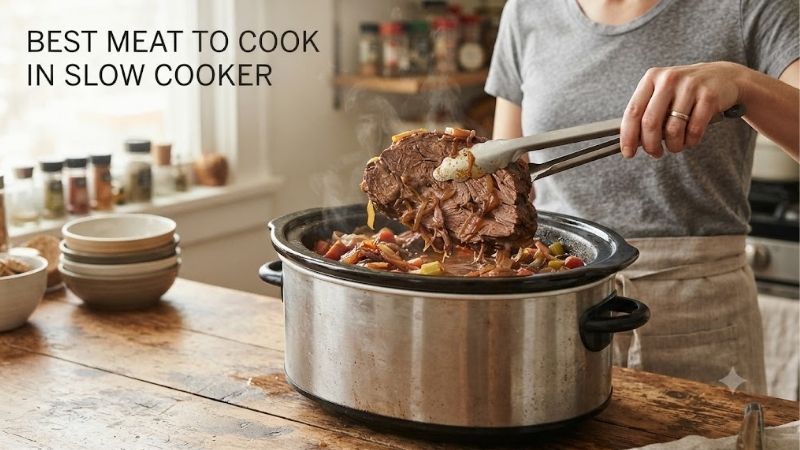
Best meat to cook in slow cooker recipes rely on tough cuts packed with connective tissue that break down during low, slow heat. Cooking lean beef or pork loin often yields dry, chewy results. Choosing collagen-rich cuts like chuck roast, pork shoulder, and beef chuck ensures juicy, melt-in-your-mouth dishes for easy weeknight dinners.
How to Choose the Right Best Meat to Cook in Slow Cooker
Selecting the best meat to cook in slow cooker appliances requires recognizing how muscle fibers respond to gentle heat over several hours. Unlike fast grilling, tender cuts become dry, whereas tough cuts of beef soften as collagen transforms into rich gelatin. Evaluating fat distribution ensures juicy results every time.
Fat Marbling and Connective Collagen Content
Rich intramuscular fat prevents lean muscle fibers from drying out during long simmering cycles. Selecting collagen-rich meat allows tough connective tissue to melt slowly into natural gelatin, infusing deep moisture throughout the dish. Lean cuts lack this internal protection, causing them to turn stringy and tough in crockpots.
Looking for moderate white flecks of fat evenly distributed across the raw protein guarantees superior texture. Heavy exterior fat caps should be trimmed slightly so your gravy does not become greasy. Balancing internal marbling with connective collagen creates tender, flavorful bites without requiring excess liquid additions.
Bone-In Cuts vs Boneless Protein Options
Choosing bone-in proteins adds extra richness and natural marrow flavor to long braising liquids. Bones conduct heat gradually through the center of dense cuts, ensuring even cooking across thick roasts. Opting for bone-in poultry like drumsticks or thighs prevents delicate meat from shredding too early during long cycles.
Boneless options offer convenient slicing and easier carving when preparing quick weeknight meals. However, boneless cuts require attentive timing because they cook slightly faster and lose moisture more rapidly. Evaluating whether you prioritize rich bone-broth flavor or fast carving convenience helps guide your purchase.
Cut Thickness and Uniform Portion Sizing
Thick, solid roasts perform exceptionally well because their interior cooks slowly without drying out. Thin steaks or small diced pieces often overcook quickly, turning rubbery before flavor extraction finishes. Ensuring uniform portion sizing allows all pieces inside the crockpot insert to reach perfect tenderness at once.
When cooking smaller protein pieces like stew meat, keep individual chunks uniform in size for consistent tenderness. Larger three to five-pound roasts retain internal moisture far better during eight-hour low settings. Selecting thick cuts prevents premature breakdown and preserves a satisfying, butcher-cut dining texture.
Searing Capabilities and Surface Preparation
Searing raw protein in a hot skillet before transferring it to the crockpot develops complex caramelized flavor. High-heat browning locks in rich surface notes that simple simmering cannot produce on its own. Evaluating proper braising meat options includes factoring in the brief prep time needed for a quick stovetop sear.
Skipping the searing step saves morning prep time, but you sacrifice deeper gravy color and savory crust depth. Deglazing the searing pan with broth captures fond particles that enrich your final crockpot sauce. Dedicating five minutes to pre-searing guarantees restaurant-quality taste across all slow-cooked protein recipes.
Quick Comparison of Top Meat Cuts for Slow Cooking
| Meat Cut | Primary Animal | Ideal Cooking Time | Best Feature for Slow Cooking | Best Recipe Use |
|---|---|---|---|---|
| Beef Chuck Roast | Beef | 8–10 Hours Low | High collagen and fat marbling | Pot Roast & Shredded Beef |
| Pork Shoulder (Pork Butt) | Pork | 8–10 Hours Low | Abundant fat layers for shredding | Pulled Pork & Carnitas |
| Beef Short Ribs | Beef | 7–8 Hours Low | Deep bone marrow flavor infusion | Braised Red Wine Ribs |
| Bone-In Chicken Thighs | Poultry | 5–6 Hours Low | Dark meat retains rich moisture | Chicken Stews & Curries |
| Beef Brisket Cut | Beef | 8–10 Hours Low | Long muscle fibers for slicing | BBQ Shredded Beef & Stew |
Top Picks
Identifying the best meat to cook in slow cooker meals involves evaluating muscle structure, fat content, and overall recipe versatility. We analyzed popular cuts based on texture, flavor release, and ease of preparation. A fresh slow cooker chuck roast remains an iconic staple for hearty, mouthwatering family dinners.
Beef Chuck Roast
Beef chuck roast is the gold standard for home cooks seeking melt-in-your-mouth pot roast and traditional stew dishes. Its generous fat marbling and dense connective tissue break down completely during low heat, yielding ultra-tender bites. This cut absorbs herbs and pan gravy effortlessly, making it a reliable staple for prep.
However, un-trimmed chuck roasts can release excessive grease into the cooking liquid if the fat cap is left too thick. Trimming excess surface fat beforehand solves this minor issue without losing internal moisture. Overall, its unmatched tenderness and rich beefy flavor make it the top choice for comforting crockpot meals.
Pork Shoulder Roast
A pork shoulder roast is ideal for feeding large families craving flavorful pulled pork, tacos, or carnitas on busy weeknights. High fat content protects the meat from drying out over long ten-hour cooking cycles, yielding effortless shredding. It pairs exceptionally well with sweet BBQ sauces, citrus rubs, and savory spices.
On the downside, pork shoulder requires extended cooking time to soften fully, making fast four-hour meals unfeasible. Skimming rendered fat from the pot before serving is also necessary for lighter sauces. Nevertheless, its budget-friendly price and juicy texture ensure it remains a crowd-pleasing option for meal planning.
Bone-In Beef Short Ribs
Bone-in beef short ribs are perfect for luxury weekend dinners that demand rich, deep flavor and restaurant-quality presentation. The combination of thick bone marrow, heavy connective tissue, and tender shredded beef layers creates an incredible braising broth. Slow cooking transforms these tough ribs into succulent delicacies.
Unfortunately, short ribs are significantly more expensive per pound compared to standard chuck roasts or pork cuts. They also yield less meat overall due to the high bone weight in each portion. Despite the higher cost, their luxurious texture and unmatched sauce richness make them worth every penny for special occasions.
Bone-In Chicken Thighs
Bone-in chicken thighs excel for poultry lovers wanting a juicy alternative to dry chicken breast in slow cooker stews. Dark poultry meat contains natural fat that tolerates extended heat without turning rubbery or stringy. They hold up remarkably well in creamy soups, curries, and vegetable casseroles without drying out.
However, chicken skin becomes soggy in the moist crockpot environment and should be removed or crisp-seared post-cooking. Bone removal before serving also requires slight extra care during family meal prep. Even with minor skin prep, their affordability and moist texture make them the ultimate poultry pick for slow meals.
Beef Brisket Cut
Beef brisket is suited for enthusiasts who love flavorful pot roast dishes, barbecue sandwiches, or sliced smoked-style beef. Its dense muscle fibers require low and slow cooking to break down tough grain structures completely. When cooked gently, it produces tender slices that absorb smoky marinades and tangy barbecue glaze.
Because brisket is a lean muscle cut with a thick flat cap, slicing against the grain is mandatory to prevent chewiness. Overcooking brisket on high heat can also dry out flat sections quickly if liquid levels drop. Following proper slicing techniques ensures a succulent, tender outcome across every family dinner batch.
Frequently Asked Questions
Cooking the best meat to cook in slow cooker recipes raises important questions about food safety, liquid levels, and preparation steps. We answered common questions below to help you achieve succulent results without common kitchen mistakes. These practical tips guarantee delicious meals every time you use your crockpot.
Why Do Lean Meats Turn Dry in a Slow Cooker?
Lean cuts like chicken breast or pork loin lack internal fat marbling and collagen to retain moisture during long cooking cycles. Prolonged heat squeezes muscle fibers dry, causing fluids to evaporate into the cooking liquid. Without natural fat barriers, tender protein cuts quickly turn tough, stringy, and dry.
To keep lean cuts moist, shorten total cooking times or add rich sauces that coat muscle fibers. Alternatively, choosing tough cuts of beef allows internal fat and gelatins to self-baste the roast continuously. Selecting properly marbled cuts remains the most effective way to guarantee tender, juicy slow-cooked meals.
Should You Sear Meat Before Placing It in the Crockpot?
Searing protein in a scorching skillet creates a rich surface crust through the Maillard caramelization process. This extra step locks in deep savory flavor while rendering initial exterior fat caps cleanly. Deglazing your frying pan captures concentrated juices that elevate the depth of your final crockpot gravy or stew.
While raw meat will still cook safely without pre-searing, the final dish may lack visual color and complex flavor depth. Searing collagen-rich meat beforehand ensures your finished dish looks appetizing and tastes rich. Taking five minutes for stovetop browning improves overall culinary results significantly for any roast.
How Much Liquid Do You Need for Slow Cooker Roasts?
Slow cookers operate inside a tightly sealed environment that traps condensation and prevents steam from escaping outward. Because liquids do not evaporate like traditional oven roasting, adding too much broth dilutes natural meat flavors. A half cup to one cup of liquid is generally sufficient for large roasts.
Fatty cuts like pork shoulder roast release substantial natural juices as internal fat renders down during long cycles. Submerging meat completely is unnecessary and can make your finished gravy watery and bland. Using minimal liquid concentrates savory broths while letting the protein simmer in its own delicious juices.
Is It Safe to Cook Frozen Meat in a Slow Cooker?
Placing solid frozen meat directly into a slow cooker is unsafe because the interior takes too long to heat up. Dense frozen cuts spend extended time inside the danger zone between 40 and 140 degrees Fahrenheit, encouraging bacterial growth. Thawing proteins completely in the refrigerator beforehand guarantees food safety.
Thawed protein cooks far more evenly, allowing bone-in poultry and beef roasts to reach tender textures without cold centers. Planning meal prep ahead by defrosting cuts overnight ensures reliable heating performance. Following safe handling practices protects your family while yielding superior flavor and ideal tenderness.
Final Thoughts
Selecting the best meat to cook in slow cooker recipes relies on choosing collagen-rich cuts with balanced fat marbling. Cuts like chuck roast, pork shoulder, and beef short ribs transform under low and slow cooking into juicy meals. Matching the right cut to your slow cooker ensures tender, flavorful family dinners every time.
Our top picks





![The Mexican Slow Cooker: Recipes for Mole, Enchiladas, Carnitas, Chile Verde Pork, and More Favorites [A Cookbook]](https://m.media-amazon.com/images/I/91ekbcPyRQL._AC_UL320_.jpg)

As an Amazon Associate we earn from qualifying purchases at no extra cost to you. Ratings are shown as listed on Amazon.








Write Your Review
No reviews yet. Be the first to share your experience!