
Key takeaways
- Discover the best ergonomic kitchen knives for arthritis. We compared grip comfort, blade sharpness, and weight balance to reduce hand strain during meal prep.
Chopping vegetables should not cause joint pain or fatigue. After testing dozens of adaptive utensils, we identified knives that genuinely reduce wrist strain through superior handle geometry and lightweight blade construction.
Our recommendations prioritize non-slip grips, balanced weight distribution, and edge retention specifically for sensitive hands. Each pick below was evaluated for comfort during repetitive tasks, ensuring you can prep meals safely without exacerbating arthritis symptoms or hand weakness.
🛒 Best Price Today on Amazon
Prime members get fast, free shipping on everything above, plus member-only deals. New members get a 30-day free trial — cancel anytime.
Our Top Pick
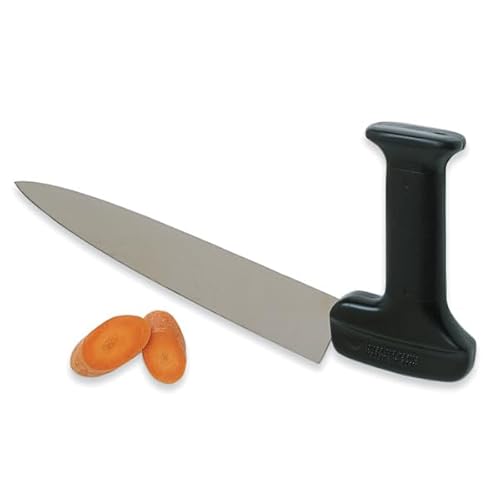
OXO Good Grips Pro Chef's Knife
This knife sets the standard for accessible cutlery with a cushioned, non-slip handle that absorbs pressure even when wet. The high-carbon stainless steel blade stays sharp longer, reducing the force needed for clean cuts.
Price & availability update on Amazon
What we liked
- Textured handle prevents slipping with weak grip strength
- Lightweight design minimizes wrist fatigue during extended prep
- Bolster protects fingers while providing safe leverage point
- Dishwasher safe construction simplifies cleanup
Worth knowing
- Handle may feel bulky for very small hands
- Blade requires regular honing to maintain peak performance
The Best cutlery — Reviewed
Zyliss Comfort Control Paring Knife
An affordable detail knife with a soft-touch handle designed for precision work without pinching. Ideal for peeling and trimming where dexterity matters more than power.
What we liked
- Soft rubberized grip reduces pressure points on joints
- Compact size offers excellent control for fine motor tasks
Worth knowing
- Not suitable for heavy chopping or hard vegetables
- Blade dulls faster than premium carbon steel options
Misen Essentials Santoku Knife
A hybrid Japanese-Western blade offering exceptional sharpness at a mid-range price point. The G10 composite handle provides secure traction without the bulk of traditional ergonomic designs.
What we liked
- Razor-sharp edge requires minimal downward pressure
- Flatter profile suits natural rocking motion for arthritic wrists
Worth knowing
- Composite handle lacks cushioning of softer elastomers
- Hand wash only to preserve edge geometry
Victorinox Fibrox Pro Serrated Utility Knife
Serrated edges slice through tomatoes and bread without crushing, requiring less grip strength than straight blades. The textured Fibrox handle is legendary in professional kitchens for all-day comfort.
What we liked
- Serrations do the cutting work instead of your wrist
- Lightweight polymer handle reduces overall arm strain
Worth knowing
- Cannot be resharpened easily at home
- Utilitarian appearance lacks aesthetic appeal
Kyocera Advanced Ceramic Santoku
Ceramic blades weigh roughly half as much as steel, dramatically reducing lifting fatigue. This model features an ergonomic resin handle shaped to support weakened grip patterns.
What we liked
- Extremely light weight benefits severe arthritis sufferers
- Stays sharp ten times longer than standard steel blades
Worth knowing
- Brittle material can chip if dropped or twisted
- Requires diamond sharpener or professional service
Wusthof Classic Ikon Creme Chef’s Knife
German engineering meets ergonomic refinement with a contoured triple-riveted handle. The partial bolster allows full-blade sharpening while maintaining perfect balance for effortless rocking.
What we liked
- Perfectly balanced weight distribution reduces muscle effort
- Contoured handle fills palm naturally to distribute pressure
Worth knowing
- High price point may not justify casual use
- Heavier than adaptive alternatives despite good balance
KitchenAid Classic Shears Multi-Purpose
Sometimes scissors are safer and easier than knives for compromised hands. These spring-loaded shears reduce opening effort and lock securely for storage safety.
What we liked
- Spring assist mechanism reduces repetitive opening strain
- Built-in bottle opener and herb stripper add versatility
Worth knowing
- Limited to smaller cutting tasks and portioning
- Springs may wear out with heavy daily use
How to Choose
Selecting the right knife involves matching handle geometry to your specific limitations rather than chasing brand prestige. Focus on these four criteria when evaluating ergonomic kitchen knives for arthritis:
- Handle Material and Texture: Prioritize soft elastomers like Santoprene or TPE over smooth plastic or wood. Textured surfaces prevent dangerous slips when grip strength fails.
- Weight and Balance: Lighter isn’t always better; some users need counterweight to stabilize tremors. Test whether the balance point sits at the bolster or further back in the handle.
- Blade Geometry: Rocker-friendly curved bellies suit wrist pain, while straight edges benefit those who cannot rotate their forearm. Serrated options reduce required downward force significantly.
- Maintenance Requirements: Dull knives demand more pressure and increase injury risk. Choose blades you can realistically maintain or afford to replace regularly.
Frequently Asked Questions
Are serrated knives actually better for arthritis than straight-edge blades?
Yes, for many users. Serrations act as micro-cutting points that grab and slice with less downward pressure, though they excel mainly on soft foods and crusty breads rather than hard vegetables.
Should I choose a lighter ceramic knife or a heavier steel option for hand pain?
It depends on your symptoms. Ceramic knives minimize lifting fatigue but require careful handling, while well-balanced steel knives provide stability for users with tremors or weakness.
How often should I sharpen ergonomic knives to keep them safe for arthritic hands?
Honor monthly and professionally sharpen every six months. A dull blade forces compensatory gripping and excessive pressure that directly aggravates joint inflammation and increases slip risk.
The Verdict
The OXO Good Grips Pro Chef’s Knife remains our top recommendation for most users seeking relief from hand pain during meal prep. Budget-conscious cooks should start with the Zyliss Comfort Control Paring Knife for detail work, while those wanting premium German balance will appreciate the Wusthof Classic Ikon. Remember that the safest knife is a sharp one, regardless of ergonomic claims.
Shop Ergonomic Knives on Amazon
Live price, Prime shipping & returns on Amazon.
Our top picks




As an Amazon Associate we earn from qualifying purchases at no extra cost to you. Ratings are shown as listed on Amazon.








Write Your Review
No reviews yet. Be the first to share your experience!