Key takeaways
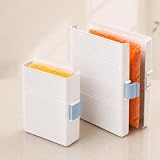
- 1-cup compartments: Best for individual lunches, baby-food-sized portions for older children, sauces, gravy, and concentrated stock. A two-pack with six cavities per tray may provide 12 cups of total capacity, but cavity counts vary.
- 2-cup compartments: Better for a typical adult meal, a hearty serving of chili, or enough soup for one person with leftovers. A two-pack with four cavities per tray may hold 16 cups total, depending on the design.
What's inside
The Short Answer
Yes—silicone portion freezer trays are worth buying for soup if you regularly freeze leftovers, broth, stock, or meal-prep portions and want predictable serving sizes without wrestling with a large frozen block. The one condition is that you have enough flat freezer space to use and store the tray properly.
For most households, the value is less about the silicone itself and more about portion control. A 1-cup cavity holds 8 fluid ounces, while a 2-cup cavity holds 16 fluid ounces. That makes it easy to thaw one serving of soup for lunch or two cups for dinner without defrosting the entire batch. In 2026, prices for two-tray sets commonly fall between about $13 and $18, which is reasonable if you will use them several times a month.
As an Amazon Associate we earn from qualifying purchases at no extra cost to you. Product prices and availability are accurate as of the date shown and are subject to change.

What You Actually Get
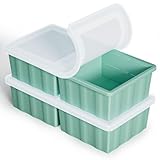
A soup freezer tray is a flexible silicone mold divided into individual compartments, usually with a fitted lid. The tray goes into the freezer filled with cooled soup, broth, chili, curry, or another liquid-based meal. Once frozen, each portion can be removed and reheated separately.
The two common sizes serve different purposes:
- 1-cup compartments: Best for individual lunches, baby-food-sized portions for older children, sauces, gravy, and concentrated stock. A two-pack with six cavities per tray may provide 12 cups of total capacity, but cavity counts vary.
- 2-cup compartments: Better for a typical adult meal, a hearty serving of chili, or enough soup for one person with leftovers. A two-pack with four cavities per tray may hold 16 cups total, depending on the design.
Many trays measure roughly 9 to 12 inches long, 5 to 8 inches wide, and 2 to 3 inches tall. Those are typical ranges, not universal specifications, so measure the shelf or drawer where you plan to freeze them. A full silicone tray can weigh several pounds once filled, especially with dense chili or stew. It should be placed on a rigid baking sheet or cutting board before filling and carrying.
The products in this category illustrate the usual price difference. A two-pack of 2-cup soup trays may sell for around $13.49, while a two-pack of 1-cup trays with lids may cost about $14.49. The 1-cup option can cost slightly more despite holding less because it often has more compartments, tighter lids, or a different mold design.
Look for food-grade, BPA-free silicone, a lid that sits securely, freezer compatibility, and a temperature rating suitable for reheating if the manufacturer allows oven use. “Oven safe” does not automatically mean “microwave safe,” and neither rating means the lid should go into the oven. In practice, the safest method is to freeze in the tray, remove the portion, and reheat it in a microwave-safe bowl or saucepan.
Pros
- Convenient portion control: One-cup and 2-cup servings are more useful than an awkward frozen mass in a storage container. You can thaw exactly what you need.
- Less freezer waste: Individual portions reduce the temptation to thaw a large container, take one serving, and refreeze the rest.
- Flexible silicone releases frozen food: Once the soup is fully frozen, pressing the underside of the cavity usually loosens the portion more easily than a rigid plastic container.
- Good for more than soup: Use the trays for stock, bone broth, tomato sauce, beans, cooked grains, baby-food-style purees, and leftover stew.
- Stackable storage: Lids help prevent spills, freezer odors, and frost. Some designs stack when full; others are easier to stack after the portions have been removed.
- Reusable and dishwasher-friendly: A durable tray can replace disposable freezer bags and single-use plastic containers over time.
- Clearer meal planning: A tray makes it easy to freeze several meals from one cooking session and label them by date or recipe.
Cons
- They take up flat space: A flexible tray is difficult to carry when full unless it sits on a sheet pan. A crowded freezer may not have a suitable level shelf.
- Lids are not always leakproof: A lid that prevents freezer burn may not create a watertight seal. Do not assume you can tip a filled tray on its side.
- Silicone can hold odors: Strong recipes containing garlic, onions, curry, or seafood may leave a smell, especially if the tray is washed with cool water or loaded into a crowded dishwasher.
- Release can be messy: Dense soups and chunky stews may need a few minutes at room temperature before they pop out. Forcing the silicone can damage the tray or splash thawing liquid.
- Large cavities freeze slowly: A 2-cup portion takes longer to freeze solid than a shallow 1-cup cube. Cool soup in the refrigerator first; do not put a steaming tray directly into a packed freezer.
- They are not automatically a reheating solution: Even when the silicone is oven-rated, uneven heating and hot spots can make direct reheating inconvenient. A separate bowl is usually better.
- Capacity claims can be confusing: “Two-pack” may refer to two trays rather than two servings. Check the number of cavities and the actual capacity of each compartment before ordering.
Who Should Buy It
Buy a silicone portion freezer tray if you make large pots of soup, stock, chili, or stew and routinely save leftovers. It is especially useful for one- or two-person households, people who batch-cook on weekends, and anyone who wants quick meals without eating the same recipe for several days in a row.
Choose 1-cup compartments if you want light lunches, broth, sauces, or mix-and-match portions. Choose 2-cup compartments if soup is usually the main dish. If you are uncertain, 1-cup trays offer more flexibility: two frozen cubes can equal a larger meal, while a 2-cup cube cannot easily be divided once frozen.
A tray also makes sense for cooks who freeze homemade stock. One-cup portions are practical for adding broth to a pan or sauce, while 2-cup portions are convenient for starting a soup recipe. Just leave expansion room—about 10 percent of the cavity—because liquid expands as it freezes.
Who Should Skip It
Skip the purchase if you rarely freeze food, prefer disposable freezer bags, or have a small freezer with no flat shelf. A tray is also a poor match if you expect to freeze large family portions. For four or more people, several 2-cup cubes may be needed, and removing multiple portions can be less convenient than using one 6- or 8-cup container.
You may also prefer rigid containers if stacking is your top priority. Silicone trays can slump, bulge, or lose their shape when filled. Anyone who wants a genuinely leakproof container should look for locking lids with a silicone gasket rather than relying on a loose snap-on cover.
Cheaper Alternatives
| Option | Cost | Trade-off |
|---|---|---|
| Standard plastic food containers | $0.75-$2 per container | Usually cheaper per unit and easier to stack, but portions are less consistent and frozen food can be harder to remove. |
| Reusable freezer bags | $0.50-$2 per bag | Efficient for flat storage and large batches, but they can leak, are less convenient to portion, and may be difficult to stand while filling. |
| Ice cube trays | $2-$8 per tray | Very inexpensive for stock or sauce, but typical cavities hold only 1 to 2 tablespoons—not a practical soup serving. |
| Glass storage containers | $3-$8 per container | Durable and odor-resistant, but heavier, more expensive, and vulnerable to thermal shock if hot food or frozen food is handled carelessly. |
| Silicone portion freezer tray | $13-$18 for a two-pack | Higher upfront cost, but excellent portion control and easy release if you freeze soup regularly. |
FAQ
How much soup fits in a freezer tray?
The most useful sizes are 1 cup, or 8 fluid ounces, and 2 cups, or 16 fluid ounces, per cavity. Check the product specifications because advertised capacity may be measured to the rim. In use, leave roughly 10 percent of empty space for expansion, so a “1-cup” cavity may be best filled with about 7 to 7.5 ounces.
Can you freeze hot soup in a silicone tray?
It is better to cool soup first. Transfer it to shallow containers and refrigerate it until cold, then fill the tray. Cooling reduces the time food spends in the temperature range where bacteria multiply and prevents the tray from warming nearby frozen foods. Always place the filled tray on a firm sheet pan.
Are silicone soup trays easy to clean?
Generally, yes, especially when they are dishwasher-safe. Rinse oily or strongly seasoned food promptly, wash with warm water and dish soap, and let the tray dry completely before storing. If it retains an odor, soak it in warm water with baking soda, then rinse thoroughly. Avoid abrasive scrubbers that can roughen the surface.
What is the best way to remove a frozen soup portion?
Flex the tray gently from underneath or let it sit at room temperature for a few minutes. Do not use a knife to pry out the portion, since sharp tools can puncture silicone. After removal, store the frozen cubes in a labeled freezer bag or rigid container if you need the tray for another batch.