Key takeaways
-
Sous vide cooking enthusiasts.
-
Households purchasing meat in bulk.
-
Weekly meal preparation.
-
Freezer food organization.
-
Preserving dry pantry ingredients.
-
Packaging marinated meat.
-
Home cooks upgrading from basic vacuum sealers.
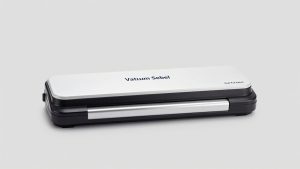
The latest Anova Precision Vacuum Sealer Pro reviews highlight its double-sealing technology, adjustable suction, and convenient bag storage. Designed for sous vide cooking and everyday food preservation, this countertop appliance offers excellent versatility for home cooks, although sealing liquids requires extra preparation.
Anova Precision Vacuum Sealer Pro reviews and quick verdict
The Anova Precision Vacuum Sealer Pro combines automatic air extraction with practical sealing controls designed for everyday food preservation. Its dedicated moist setting, manual pulse function, and integrated bag cutter make it particularly attractive for households that regularly freeze meat or prepare sous vide meals.
The Pro is an excellent choice for home cooks who need more control than an entry-level vacuum sealer provides but do not want the expense or countertop footprint of a chamber vacuum sealer.
Independent evaluations from Serious Eats and America’s Test Kitchen support its reputation as a capable household vacuum sealer.
Its most compelling advantage is the combination of reliable sealing and operational flexibility rather than a single standout specification.
Best for:
-
Sous vide cooking enthusiasts.
-
Households purchasing meat in bulk.
-
Weekly meal preparation.
-
Freezer food organization.
-
Preserving dry pantry ingredients.
-
Packaging marinated meat.
-
Home cooks upgrading from basic vacuum sealers.
Less suitable for:
-
Frequently vacuum-sealing soups and broths.
-
Commercial food packaging.
-
Households with extremely limited storage space.
-
Occasional users who only need basic sealing functionality.
Key specifications and features
The Precision Vacuum Sealer Pro is an external suction appliance that removes air from compatible textured bags before creating a heat seal. Unlike chamber vacuum sealers, its design keeps most of the food bag outside the machine, providing flexibility when packaging larger cuts of meat and custom-sized portions.
| Specification | Anova Precision Vacuum Sealer Pro |
|---|---|
| US model | ANVS02-US00 |
| Product type | External vacuum sealer |
| Dimensions | Approximately 15.7 x 7 x 4.3 inches |
| Sealing system | Double heat seal |
| Automatic vacuum and seal | Yes |
| Dry food setting | Yes |
| Moist food setting | Yes |
| Manual pulse vacuum | Yes |
| Seal-only function | Yes |
| External vacuum accessory port | Yes |
| Integrated bag storage | Yes |
| Built-in bag cutter | Yes |
| One-handed operation | Yes |
| Sous vide compatibility | Yes, with suitable bags |
| Primary application | Household food preservation |
| Color | Black |
These specifications position the Pro between simple entry-level sealers and more expensive chamber-based appliances.
This assessment draws on manufacturer documentation, US retailer specifications, and independent product evaluations rather than original hands-on laboratory testing.
Design and build quality
Anova designed the Precision Vacuum Sealer Pro around practical countertop operation, incorporating several accessories directly into the appliance. Its enclosed bag storage, integrated cutting mechanism, and accessible locking handle help reduce the number of separate tools needed during everyday food packaging.
Compact construction and countertop footprint
Measuring approximately 15.7 inches wide, the Anova Pro requires more horizontal space than some basic vacuum sealers but occupies substantially less room than many chamber machines. Its relatively low profile makes it easier to store inside kitchen cabinets when regular countertop access is unnecessary.
The rectangular housing fits naturally alongside other small kitchen appliances.
Its integrated handle folds into a more compact position for storage, helping reduce unnecessary protrusions.
Before purchasing, consider the available working space in front of the machine. Although the appliance itself is relatively compact, large bags containing meat or vegetables require additional countertop room during sealing.
The design is particularly practical for kitchens where appliance storage matters but vacuum sealing remains a regular activity.
One-handed locking mechanism
The locking mechanism allows users to secure the appliance before starting a vacuum cycle without repeatedly pressing both ends of the lid. This feature becomes particularly useful when packaging larger ingredients that require one hand to stabilize the bag while preparing the machine for operation.
The practical benefits include:
-
Easier positioning of heavy food bags.
-
More convenient operation during batch preparation.
-
Reduced need to reposition ingredients.
-
Straightforward access to the vacuum channel.
-
Faster transitions between packaging tasks.
A secure closure is essential because an improperly seated lid may prevent the appliance from establishing the vacuum needed to remove air effectively.
Users should confirm that the lid is locked correctly before activating a sealing cycle.
Built-in bag storage and cutting system
Integrated roll storage distinguishes the Pro from simpler vacuum sealers that require separate bag preparation. The built-in cutter allows users to create custom-length bags directly from compatible rolls, making it easier to accommodate ingredients ranging from individual portions to larger cuts of meat.
Custom bag sizing is particularly beneficial when preparing foods with different dimensions.
For example, packaging individual chicken breasts requires less bag material than sealing an entire beef roast.
The integrated system offers several advantages:
-
Reduced dependence on precut bags.
-
Easier preparation of custom portions.
-
Less unnecessary plastic consumption.
-
More organized countertop operation.
-
Convenient storage of compatible bag rolls.
The compartment has physical size limitations, so unusually large aftermarket rolls may require separate storage.
Vacuum sealing performance and temperature resistance
The Anova Pro’s core function is removing excess air and creating a secure closure that protects packaged ingredients during storage or cooking. Its double-sealing system is especially relevant to sous vide preparation, where maintaining bag integrity throughout prolonged water immersion is an important consideration.
Double-sealing technology
Unlike basic appliances that create a single heat-sealed line, the Anova Pro produces two parallel seals across compatible bag openings. This arrangement provides additional closure redundancy, making the design attractive for foods that will undergo freezing, transportation, or extended sous vide cooking.
A double seal can be particularly useful for:
-
Large cuts of beef.
-
Marinated chicken.
-
Frozen seafood.
-
Individually portioned meals.
-
Long-duration sous vide recipes.
-
Ingredients packaged for extended freezer storage.
However, two seal lines cannot compensate for every packaging problem.
Grease, moisture, wrinkles, or food particles trapped across the sealing area can interfere with both lines. Keeping the bag opening clean and flat remains essential.
Bag materials must also be suitable for the intended freezer or cooking temperatures.
Dry food vacuum performance
The dry setting is intended for ingredients that contain relatively little surface moisture and can withstand ordinary vacuum pressure. Foods such as grains, dried fruit, nuts, and properly prepared meat generally present fewer sealing challenges because liquids are less likely to enter the vacuum channel.
Dry mode is useful for preserving ingredients that deteriorate through prolonged exposure to air.
Potential applications include:
-
Rice and grains.
-
Coffee beans.
-
Dried pasta.
-
Firm cheeses.
-
Nuts and seeds.
-
Dehydrated vegetables.
-
Prepared cuts of meat.
Fragile dry ingredients may still require manual pulse control because strong suction can crush their structure.
Vacuum packaging also cannot reverse existing spoilage or remove contamination introduced before sealing.
Moist food sealing performance
The dedicated moist setting is one of the strongest reasons to consider the Pro instead of a simpler vacuum sealer. Its gentler extraction behavior helps manage ingredients containing surface moisture, reducing the likelihood of liquids traveling rapidly toward the sealing channel during packaging.
This mode is particularly relevant when working with raw meat, seafood, and foods prepared with modest amounts of marinade.
Independent evaluations have identified moist-food handling as one of the appliance’s notable strengths.
For more consistent results:
-
Blot excessive surface moisture before packaging.
-
Leave sufficient space above the ingredients.
-
Keep the sealing area free from grease.
-
Monitor liquid movement during extraction.
-
Use pulse control when necessary.
The moist setting does not turn the Anova Pro into a chamber vacuum sealer. Large quantities of free-flowing liquid still require additional preparation.
Manual pulse vacuum control
Manual pulse operation gives users greater control over the amount of air removed before a bag is sealed. Rather than allowing an automatic cycle to continue until completion, users can stop extraction when the packaging reaches a suitable level of compression for the ingredients inside.
This function is particularly beneficial for foods that may be damaged by excessive suction.
Examples include:
-
Fresh berries.
-
Soft bread.
-
Delicate pastries.
-
Crumbly cheese.
-
Crackers and cookies.
-
Soft vegetables.
-
Lightly marinated ingredients.
Pulse mode involves a small trade-off between maximum air removal and maintaining food shape.
For delicate foods, accepting a small amount of remaining air may be preferable to crushing the ingredients during packaging.
Seal-only function
The seal-only setting allows users to close compatible bags without activating the full automatic vacuum cycle. This is an essential feature when working with continuous rolls because one end of the newly cut bag must be closed before food can be inserted into the remaining opening.
It also provides a useful option for packaging ingredients that should not be subjected to strong suction.
The typical process involves cutting a suitable length of bag material, sealing one end, adding the ingredients, and then selecting the appropriate vacuum mode for the final closure.
This flexibility helps households use the same appliance for both conventional packaging and more specialized vacuum preservation tasks.
Sous vide cooking and food preservation
Sous vide cooking is one of the strongest applications for the Anova Precision Vacuum Sealer Pro because properly sealed bags help maintain contact between food and circulating water. The appliance also provides practical benefits for freezer storage, ingredient portioning, and preparing meals in advance.
Sealing bags for sous vide cooking
Sous vide preparation requires packaging that can withstand the intended cooking temperature and duration without leaking. The Anova Pro’s double-sealing system provides additional closure security, while its vacuum function removes excess air that could otherwise cause food bags to float during cooking.
The appliance is suitable for preparing:
-
Ribeye steaks and filet mignon.
-
Chicken breasts and thighs.
-
Pork tenderloin.
-
Beef short ribs.
-
Salmon fillets.
-
Vegetables.
-
Appropriately prepared marinated meats.
Use bags specifically rated for sous vide temperatures and cooking durations.
Vacuum sealing does not guarantee that every bag will remain submerged. Ingredients can release gases during cooking, and residual air may affect buoyancy. Appropriate sous vide weights or racks can help maintain water circulation around the food.
Preventing freezer burn during long-term storage
Freezer burn develops when frozen food loses moisture through exposure to air. By reducing the amount of air surrounding packaged ingredients, the Anova Pro helps protect food texture and appearance, making it particularly useful for households that regularly purchase larger quantities of meat.
Suitable freezer storage applications include ground beef, chicken, pork chops, seafood, and individually portioned steaks.
Compared with loosely wrapped freezer packaging, vacuum-sealed bags can provide a closer fit around irregularly shaped ingredients.
The reduced packaging volume also makes it easier to organize freezer drawers.
For best results, label packages with their contents and freezing dates. Vacuum sealing helps preserve food quality but does not eliminate the need for appropriate storage temperatures and safe handling.
Weekly meal preparation and portion control
The integrated bag cutter makes the Anova Pro particularly convenient for preparing different portion sizes within a single meal preparation session. Households can divide larger grocery purchases into recipe-sized packages rather than repeatedly opening and exposing entire containers of ingredients.
A practical weekly meal preparation routine might include:
-
Dividing chicken breasts into individual servings.
-
Packaging ground beef according to recipe requirements.
-
Separating prepared vegetables into suitable portions.
-
Freezing marinated meat for future meals.
-
Organizing ingredients by cooking date.
The ability to customize bag sizes can also reduce packaging waste compared with using oversized precut bags for every ingredient.
Perishable meals must still be refrigerated or frozen promptly.
Can the Anova Pro vacuum-seal soups and liquids?
Although the Anova Pro includes a dedicated moist setting, its external suction design makes it less suitable for packaging substantial quantities of free-flowing liquids. Soups, stocks, sauces, and thin marinades can travel toward the vacuum channel before an effective seal forms.
For liquid-heavy foods, freezing the contents before vacuum sealing is generally a more practical approach.
Allow prepared soups or stocks to cool safely, freeze them in suitable portions, and then transfer the frozen portions into compatible vacuum bags.
A chamber vacuum sealer deserves consideration if liquid packaging represents a substantial part of your kitchen routine.
The Pro’s moist mode is most valuable for damp ingredients rather than unrestricted liquid sealing.
Ease of use and everyday maintenance
The Anova Pro balances automated operation with manual controls, making it accessible to first-time vacuum sealer owners while retaining flexibility for experienced cooks. Its performance depends partly on proper bag positioning, clean sealing surfaces, and selecting an appropriate operating mode for each ingredient.
How to operate the Anova Precision Vacuum Sealer Pro
The basic operating process is straightforward once users understand how the vacuum channel and sealing elements work. Preparing the bag correctly before starting a cycle helps prevent wasted material, incomplete air extraction, and sealing failures caused by wrinkles or food residue.
-
Cut an appropriately sized section of compatible bag material.
-
Seal one end using the seal-only function.
-
Place the ingredients inside the bag.
-
Leave sufficient empty material above the food.
-
Position the open end inside the vacuum channel.
-
Close and lock the appliance.
-
Select the appropriate vacuum setting.
-
Allow the cycle to finish.
-
Inspect both seal lines before storing the package.
When working with fragile ingredients, use manual pulse control and complete the closure with the seal-only function.
Cleaning the vacuum channel and sealing area
Regular cleaning is particularly important when packaging raw meat or ingredients containing moisture. Liquid and food residue can accumulate around the vacuum channel, while contamination near the heating elements may interfere with seal quality during subsequent packaging sessions.
Unplug the appliance and allow its heating elements to cool before cleaning.
Use a suitable soft cloth to remove residue according to the manufacturer’s cleaning instructions.
Avoid immersing the electrical housing in water, using abrasive cleaning materials, or allowing moisture to enter electrical components.
Inspecting the vacuum channel after moist-food packaging can help prevent accumulated residue from affecting later sealing operations.
What independent Anova Precision Vacuum Sealer Pro reviews reveal
Independent product evaluations provide useful evidence for assessing the Anova Pro beyond its advertised specifications. Published testing has examined practical considerations such as air removal, closure reliability, delicate ingredient handling, repeated packaging cycles, and the convenience of its integrated accessories.
Performance in independent product testing
Serious Eats selected the Anova Pro as its leading vacuum sealer following a comparison involving 25 models. Its evaluation included challenging ingredients and objects intended to reveal differences in suction control, sealing effectiveness, and the ability to package delicate foods without damage.
America’s Test Kitchen also identified the Pro as a winning model, highlighting its performance with both wet and dry ingredients.
These findings support the appliance’s suitability for varied household packaging tasks.
One limitation identified by America’s Test Kitchen was the integrated cutter, which occasionally jammed during use. Although the cutter improves convenience, buyers should not assume every component offers equally robust construction.
Anova Precision Vacuum Sealer Pro reviews from owners
Owner feedback provides additional context about everyday operation, particularly for shoppers concerned about usability and long-term reliability. Individual experiences vary, but published purchaser reviews offer examples of how the appliance performs outside controlled professional testing environments.
Positive experiences include satisfaction with the double seal, adjustable suction, and convenient lid operation.
Less favorable experiences involve cutter usability, setup instructions, and inconsistent perceptions of suction strength.
Customer reviews should not be treated as standardized durability tests. They can, however, help buyers identify potential ownership concerns that short-term professional evaluations may not capture.
Pros and cons of the Anova Precision Vacuum Sealer Pro
The Anova Pro provides a useful combination of sealing flexibility, food preservation capabilities, and convenient bag preparation features. Its primary compromises involve the limitations of external suction technology, ongoing bag expenses, and additional countertop space compared with simpler vacuum sealing appliances.
| Pros | Cons |
|---|---|
| Double heat seals | Limited handling of free-flowing liquids |
| Dedicated wet and dry settings | Requires compatible vacuum bags |
| Adjustable pulse control | Larger than basic vacuum sealers |
| Integrated bag roll storage | Cutter may occasionally jam |
| Convenient one-handed locking | Additional accessory costs may apply |
| Suitable for sous vide cooking | Not designed for commercial packaging |
| External vacuum accessory connection | Requires regular cleaning |
The strongest advantage is the ability to package different types of food without needing separate appliances for ordinary freezer storage and sous vide preparation.
The biggest limitation is its inability to match a chamber sealer when packaging large quantities of liquid.
Anova Precision Vacuum Sealer Pro vs alternatives
The Pro occupies a practical middle ground between affordable external sealers and more expensive chamber-based machines. Comparing these categories helps determine whether its additional controls and integrated accessories justify the investment for your cooking frequency, available space, and preferred food preparation methods.
| Product | Sealer type | Best for |
|---|---|---|
| Anova Precision Vacuum Sealer Pro | External | Frequent household use and sous vide |
| Anova Precision Vacuum Sealer | External | Basic packaging and occasional use |
| Anova Precision Chamber Vacuum Sealer | Chamber | Frequent liquid-heavy food packaging |
Anova Precision Vacuum Sealer Pro vs standard Anova
The standard Anova Precision Vacuum Sealer provides a more streamlined approach to food packaging, making it attractive to users who prioritize compact dimensions and straightforward operation. The Pro offers a more comprehensive feature set for households that frequently prepare different types of ingredients.
Choose the Pro when integrated bag storage, double sealing, and dedicated moist-food controls are important.
The standard model remains a reasonable alternative for occasional users who primarily package dry ingredients or ordinary cuts of meat.
The decision should depend on how often the additional features will be used rather than assuming the more advanced model is necessary for every kitchen.
Anova Precision Vacuum Sealer Pro vs chamber vacuum sealers
Chamber vacuum sealers remove air from an enclosed environment rather than drawing it directly through the open end of an external bag. This operating principle provides practical advantages when packaging liquid-heavy ingredients, although chamber machines typically require more storage space and a larger initial investment.
The Anova Pro is preferable for households that primarily seal solid foods, prepare sous vide meals, and value flexible bag lengths.
A chamber sealer is worth considering when regularly packaging soups, sauces, marinades, or other liquid-heavy ingredients.
Chamber dimensions can restrict package size, whereas an external sealer allows longer bags provided their openings fit the machine.
Price, ownership costs, and overall value
The Anova Pro’s overall value depends on more than its purchase price because vacuum sealing requires an ongoing supply of suitable packaging materials. Households should consider sealing frequency, potential reductions in food waste, accessory compatibility, and the convenience of preparing custom-sized bags.
Replacement bags and long-term operating costs
Compatible vacuum bag rolls allow users to adjust packaging dimensions according to individual ingredients. Although this approach can reduce unnecessary material consumption, operating costs still depend on bag quality, package size, sealing frequency, and the number of unsuccessful sealing attempts.
Manufacturer-approved bags provide a straightforward starting point.
When evaluating alternative bags, check their compatibility with external suction machines, sealing dimensions, food-contact requirements, and intended cooking or freezing temperatures.
Smooth chamber-sealer bags are not generally appropriate for conventional external suction systems.
Anova’s US product page advertises a two-year warranty, although buyers should confirm applicable coverage with their selected retailer.
Who should buy the Anova Precision Vacuum Sealer Pro?
The Pro is particularly attractive to households that regularly purchase bulk groceries, freeze ingredients, or prepare food using sous vide techniques. Its additional operating modes are easiest to justify when users encounter different food textures and moisture levels throughout their normal cooking routines.
Buy it if you:
-
Cook sous vide regularly.
-
Purchase meat in bulk.
-
Frequently prepare freezer meals.
-
Need adjustable vacuum pressure.
-
Prefer double-sealed food bags.
-
Want integrated bag storage and cutting.
Skip it if you:
-
Rarely vacuum-seal food.
-
Frequently package unfrozen soups.
-
Have very limited appliance storage.
-
Only require basic air extraction.
-
Need commercial-scale packaging equipment.
For regular household use, its combination of features offers a sensible balance between convenience and versatility.
Frequently asked questions
Understanding the Anova Pro’s packaging requirements and food safety limitations can help prospective buyers avoid common purchasing mistakes. Its suitability depends not only on the machine itself but also on compatible bags, correct ingredient preparation, and appropriate food storage practices.
Does vacuum-sealed food still require refrigeration?
Vacuum sealing removes much of the air surrounding food but does not sterilize ingredients or prevent every type of bacterial growth. Perishable foods must still be refrigerated or frozen according to appropriate food safety guidance, regardless of how securely their packaging has been sealed.
Do not store vacuum-sealed raw meat at room temperature.
Keep refrigerated food at 40°F or below and frozen food at 0°F or below.
Follow appropriate storage periods rather than assuming vacuum packaging makes food safe indefinitely.
Remove vacuum-packaged fish from its packaging before thawing, following applicable food safety instructions.
Can the Anova Pro use non-Anova vacuum bags?
Independent evaluations indicate that the Anova Pro can work with suitable generic vacuum sealing bags, although manufacturer-approved accessories provide the clearest compatibility assurance. Alternative bags must have the correct textured construction and dimensions for an external suction vacuum sealer.
Check the bag manufacturer’s instructions before purchasing replacement rolls.
For sous vide applications, confirm that the selected bags are specifically suitable for the intended cooking conditions.
Does the Anova Pro require a smartphone application?
Unlike Anova’s connected cooking appliances, the Precision Vacuum Sealer Pro uses dedicated physical controls for its primary packaging functions. Users can select operating modes, adjust suction manually, and complete sealing cycles without relying on smartphone connectivity or an internet connection.
This straightforward control system is beneficial for households that prefer conventional kitchen appliances without account registration or wireless setup.
Conclusion
The Anova Precision Vacuum Sealer Pro is a versatile investment for home cooks who regularly freeze food, prepare bulk ingredients, or cook sous vide. Its double seals, adjustable suction, and integrated bag cutter provide meaningful convenience, although frequent liquid packaging is better suited to a chamber vacuum sealer.
More from Amazon
Programs that pair well with the guide above. Offers and eligibility are set by Amazon and may change.
Set up recurring deliveries of everyday items on eligible products. Terms and savings are set by Amazon.
Explore Subscribe & SaveCollect the home and kitchen items you want in one registry that guests can shop from.
Create a wedding registryFree shipping on eligible items, Prime Video and more. Eligible new members can start with a free trial.
Start a Prime free trialAudiobooks and podcasts to listen to on the go. Eligible new members can start with a free trial.
Try Audible freeAs an Amazon Associate we earn from qualifying purchases.