Key takeaways
-
Packaging bulk purchases of chicken, beef, and pork.
-
Protecting frozen food against freezer burn.
-
Organizing ingredients into individual meal portions.
-
Storing suitable dry pantry ingredients.
-
Preparing compatible food packages for sous vide cooking.
-
Reducing unnecessary air exposure around refrigerated ingredients.
-
Resealing compatible food packaging.
An As Seen on TV vacuum sealer can help reduce food waste, protect frozen ingredients, and simplify weekly meal preparation. However, choosing the right machine requires more than watching a television demonstration. Seal quality, bag compatibility, moisture handling, and replacement costs determine its practical value.
What is an As Seen on TV vacuum sealer?
An As Seen on TV vacuum sealer is a food packaging appliance promoted through television advertisements or direct-response marketing campaigns. These machines remove air from compatible packaging and create a closure designed to limit air exposure during storage, helping maintain food quality.
Unlike a specific product brand, As Seen on TV describes a marketing category. Different manufacturers offer vacuum sealing machines with distinct features, accessories, and operating requirements.
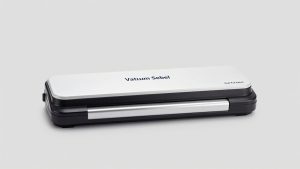
The PowerXL Duo NutriSealer is a recognizable example of this category. Its design combines vacuum sealing, bag cutting, and compatibility with supported storage accessories.
Other manufacturers, including FoodSaver, offer conventional alternatives that may provide similar or more specialized functionality.
Common applications include:
-
Packaging bulk purchases of chicken, beef, and pork.
-
Protecting frozen food against freezer burn.
-
Organizing ingredients into individual meal portions.
-
Storing suitable dry pantry ingredients.
-
Preparing compatible food packages for sous vide cooking.
-
Reducing unnecessary air exposure around refrigerated ingredients.
-
Resealing compatible food packaging.
Vacuum sealing is not a replacement for refrigeration, freezing, or approved food preservation methods. Perishable ingredients must still be stored under appropriate food safety conditions.
How vacuum sealing technology works
A vacuum sealer typically uses a pump to withdraw air from compatible packaging before closing the bag with a heated sealing element. The resulting package contains less surrounding air, which can help slow certain forms of quality deterioration and reduce moisture loss during frozen storage.
Most external vacuum sealers perform two main functions.
-
Vacuum extraction removes air from inside compatible bags.
-
Heat sealing closes the opening to prevent outside air from entering.
The effectiveness of the process depends on the condition of the sealing surface, the packaging material, and the amount of moisture near the bag opening.
Some machines also provide a seal-only function. This allows users to close compatible packaging without extracting air, which can be useful for fragile snacks that might otherwise become crushed.
A vacuum sealer cannot sterilize food or reverse deterioration that has already occurred. Begin with fresh ingredients and follow appropriate storage procedures.
Why television advertisements can be misleading
Television demonstrations usually emphasize convenience, compact packaging, and visually impressive results. While these demonstrations can illustrate genuine capabilities, they rarely communicate every limitation involving replacement bags, cleaning requirements, moisture management, or consecutive sealing cycles.
Before purchasing, separate demonstrated features from independently established performance.
Pay particular attention to claims involving:
-
Food staying fresh several times longer.
-
Compatibility with all household plastic bags.
-
Commercial-grade suction performance.
-
Significant annual grocery savings.
-
Permanent airtight seals.
-
Unlimited consecutive sealing cycles.
-
Suitability for every type of food.
Such claims depend on specific operating conditions and should not automatically be applied to every household.
A good vacuum sealer must perform reliably with the ingredients you actually purchase rather than simply producing attractive results during a controlled demonstration.
How to choose the right type of vacuum sealer
Different vacuum sealing designs address different storage requirements, from occasional snack preservation to extensive freezer meal preparation. Understanding the distinction between external, handheld, and chamber-style machines helps prevent unnecessary spending and incompatible purchases.
| Vacuum sealer type | Best for | Main limitation |
|---|---|---|
| External countertop | Meat, vegetables, freezer meals | Requires compatible bags |
| Compact clamp-style | Small kitchens and occasional use | May require more manual positioning |
| Handheld | Compatible zipper bags and containers | Limited packaging options |
| Automatic countertop | Frequent household sealing | Larger appliance footprint |
| Chamber vacuum sealer | High-volume packaging and liquids | Higher initial investment |
For most households, an external vacuum sealer offers a practical balance between functionality, storage requirements, and operating costs.
Compact clamp-style vacuum sealers
Compact clamp-style machines appeal to buyers who want food preservation equipment without permanently sacrificing countertop space. Their elongated bodies are generally easier to store than larger appliances, although the user may need to pay closer attention to positioning and closing each bag.
The PowerXL Duo NutriSealer represents this general approach.
Potential advantages include:
-
Convenient cabinet or drawer storage.
-
Straightforward operating controls.
-
Compatibility with appropriately sized bag rolls.
-
Convenient access for occasional meal preparation.
-
Reduced appliance clutter.
However, compact dimensions do not guarantee greater suction performance or faster operation.
If you regularly package large quantities of food, investigate the manufacturer’s recommended operating intervals. A compact appliance may require cooling periods between repeated sealing operations.
Traditional countertop vacuum sealers
Conventional countertop vacuum sealers typically feature a wider appliance body, dedicated bag positioning area, and controls designed around repeatable food packaging. Depending on the model, they may also incorporate removable drip trays, bag roll storage, or automatic detection systems.
This design is especially attractive for households that frequently purchase meat in bulk or prepare several days of meals at once.
Useful features to look for include:
-
A clearly accessible sealing channel.
-
Removable components for cleaning.
-
Separate vacuum and sealing controls.
-
Compatible replacement bag rolls.
-
A reliable locking mechanism.
-
Moist or gentle operating modes.
A larger machine is not automatically superior. Its additional features should match your actual packaging habits.
For frequent users, however, convenient bag alignment and cleaning access can make a substantial difference over time.
Handheld vacuum sealing systems
Handheld vacuum sealers use compact suction mechanisms designed primarily for compatible valve-equipped bags or containers. They are attractive for small kitchens and frequently accessed ingredients, but they should not be confused with full-size appliances that heat-seal conventional vacuum bag rolls.
Consider a handheld model if you frequently store cheese, suitable refrigerated ingredients, or meal preparation components in compatible reusable packaging.
The main advantages are portability and reduced storage requirements.
However, important limitations include:
-
Dependence on compatible valves and containers.
-
Less flexibility for custom-length packages.
-
Potential battery charging or replacement requirements.
-
Limited suitability for large cuts of meat.
-
Additional costs associated with proprietary accessories.
A handheld system can complement a countertop machine, but it may not completely replace one for extensive freezer storage.
Key features that determine vacuum sealing performance
The quality of a vacuum sealer depends on how effectively it removes air, closes packaging, and handles the conditions encountered during ordinary kitchen use. Buyers should prioritize practical sealing controls, accessible maintenance components, and replacement material compatibility over promotional claims.
Double sealing technology and seal strength
Seal quality determines whether a vacuum package maintains its closure during storage and ordinary handling. Some machines create two parallel sealing lines, providing an additional closure barrier, while others rely on a single properly formed seam that can also perform effectively.
The PowerXL Duo NutriSealer incorporates a double-seal design.
Nevertheless, the number of sealing lines does not independently establish long-term reliability.
Inspect completed packages for:
-
Continuous sealing lines.
-
Wrinkles crossing the sealed area.
-
Food residue trapped within the closure.
-
Visible gaps or incomplete sections.
-
Air gradually returning to the package.
-
Damage caused by sharp ingredients.
An effective seal should be consistent across the entire bag opening.
If juices contaminate the sealing surface, even a double-seal machine may produce an unreliable closure. Correct preparation is therefore just as important as the appliance’s advertised technology.
Suction performance and delicate food controls
Strong suction can help reduce air around dense ingredients, but maximum vacuum intensity is not appropriate for every food. Soft bread, berries, crackers, and delicate baked goods can become compressed or damaged when a machine removes air too aggressively from flexible packaging.
Look for controls that allow you to interrupt or adjust vacuum extraction.
Depending on the model, these may include:
-
Pulse vacuum operation.
-
Gentle vacuum settings.
-
Manual stop controls.
-
Separate seal-only functions.
-
Adjustable vacuum intensity.
A machine with flexible controls may offer greater everyday usefulness than one focused entirely on maximum suction.
Do not directly compare advertised suction figures unless manufacturers provide equivalent units and measurement conditions. Different testing methods can make otherwise similar specifications difficult to interpret.
Moisture handling and liquid protection
Moisture is a significant challenge for external vacuum sealers because liquid can travel toward the suction channel as air leaves the bag. Machines with moisture-management features can improve packaging convenience, but they still require appropriate food preparation and careful bag positioning.
When comparing machines, prioritize:
-
Dedicated moist-food settings.
-
Accessible liquid collection channels.
-
Removable drip trays.
-
Manual vacuum interruption.
-
Clear cleaning instructions.
For soups, sauces, and highly liquid marinades, freezing portions before vacuum sealing is often more practical than attempting to extract air directly from liquid-filled bags.
A moist-food setting does not necessarily mean a machine can safely vacuum seal unrestricted quantities of liquid.
If liquid packaging represents most of your storage needs, a chamber vacuum sealer may be a more appropriate investment.
Bag cutting and custom package sizes
An integrated bag cutter can simplify food preparation when using continuous vacuum sealing rolls. Instead of purchasing a separate bag size for every ingredient, users can create appropriately sized packages according to the dimensions of individual portions and available freezer space.
Custom-sized bags are particularly useful for:
-
Individual chicken breasts.
-
Long cuts of meat.
-
Family-sized dinner portions.
-
Small quantities of dry ingredients.
-
Seasonal garden produce.
-
Individually portioned freezer meals.
Leave enough unused material above the food for proper sealing.
Cutting bags too close to the ingredients may save packaging material initially but increase the likelihood of failed seals and unnecessary repackaging.
Vacuum sealer bags and accessory compatibility
Replacement packaging represents an ongoing expense that can significantly influence the long-term value of a vacuum sealer. Before purchasing a television-promoted machine, determine which bag materials, roll widths, reusable containers, and accessory connections are compatible with the exact appliance.
Choosing bags for an As Seen on TV vacuum sealer
Many external vacuum sealers require specially textured packaging that provides channels through which air can escape during vacuum extraction. Ordinary smooth plastic bags may collapse around the suction opening, preventing effective air removal even when the machine can heat-seal the material.
| Packaging type | Typical compatibility |
|---|---|
| Textured vacuum bags | Many external vacuum sealers |
| Textured vacuum rolls | Compatible roll-based machines |
| Ordinary zipper bags | Generally unsuitable for conventional vacuum extraction |
| Valve-equipped zipper bags | Compatible handheld or accessory systems |
| Smooth chamber bags | Chamber machines |
| Original snack packaging | Seal-only operation when supported |
| Vacuum storage containers | Compatible accessory connections |
Do not assume that a machine capable of sealing ordinary plastic packaging can also remove air from that packaging.
These are separate functions with different material requirements.
Reusable vacuum bags and storage containers
Reusable accessories can be convenient when food packages need to be opened and closed repeatedly. Their value depends on valve compatibility, cleaning requirements, and whether replacement components remain available when the original accessories become damaged or worn through regular use.
Reusable accessories may be suitable for:
-
Appropriate refrigerated cheese.
-
Frequently accessed dry ingredients.
-
Suitable meal preparation components.
-
Compatible food storage containers.
Avoid reusing disposable bags that previously contained raw meat, poultry, or seafood. Follow manufacturer instructions and appropriate sanitation practices for reusable packaging.
Before purchasing additional accessories, confirm that the valve and suction connection match your machine.
As Seen on TV vacuum sealer models worth considering
The PowerXL Duo NutriSealer directly matches the television-advertised product category, while conventional FoodSaver machines provide relevant alternatives for shoppers comparing functionality and long-term usability. The following examples are based on published product information rather than original detailed research.
| Product | Best for | Notable feature |
|---|---|---|
| PowerXL Duo NutriSealer | TV-advertised compact sealing | Double sealing |
| FoodSaver VS1200 | Small kitchens | Space-saving design |
| FoodSaver V4440 | Frequent household packaging | Automatic bag detection |
The FoodSaver models are included as functional alternatives, not as confirmed members of the As Seen on TV product category.
PowerXL Duo NutriSealer
The PowerXL Duo NutriSealer is a direct match for shoppers searching for a vacuum sealing machine promoted through television advertising. Its elongated body combines vacuum extraction and double sealing with an integrated cutting mechanism, making it an interesting option for occasional household packaging.
Key specifications and features:
-
Double-seal construction.
-
Integrated packaging cutter.
-
Accessory suction hose.
-
Bag alignment assistance.
-
Approximately 17.87 inches long.
-
Approximately 2 pounds.
-
Corded electrical operation.
The Target-listed package includes bag rolls and two reusable zipper bags, allowing buyers to begin using compatible packaging without immediately purchasing additional supplies.
Pros:
-
Compact construction.
-
Multiple packaging functions.
-
Convenient starter accessories.
-
Suitable for custom-length bags.
Cons:
-
Limited independent comparative performance data.
-
Requires compatible vacuum packaging.
-
Replacement accessory availability should be checked.
-
Shorter published warranty than some conventional alternatives.
Buy if: You specifically want the television-advertised PowerXL design and expect occasional household sealing.
Skip if: You prioritize high-volume packaging, extensive warranty coverage, or a conventional countertop layout.
FoodSaver VS1200 Space Saving Vacuum Sealer
The FoodSaver VS1200 offers an alternative for shoppers attracted to the compact design of television-promoted vacuum sealing appliances. Its space-saving construction addresses limited kitchen storage while retaining the conventional functionality of an external vacuum sealing machine for household food packaging.
Key considerations:
-
Compact appliance design.
-
Compatible FoodSaver vacuum bags and rolls.
-
Conventional external vacuum operation.
-
Suitable for everyday freezer organization.
-
Manufacturer-supported packaging ecosystem.
The VS1200 is particularly relevant for apartment kitchens and households with limited appliance storage.
Unlike more elaborate automatic machines, its primary appeal is the balance between basic vacuum sealing functionality and a manageable appliance footprint.
Buy if: You want a compact conventional sealer with an established packaging ecosystem.
Skip if: You require integrated handheld functionality or specialized liquid packaging capabilities.
FoodSaver V4440 automatic vacuum sealing system
The FoodSaver V4440 is a more feature-rich alternative for households that package food regularly and want compatibility with multiple storage formats. Its automatic bag detection and integrated retractable handheld system distinguish it from simpler external vacuum sealers intended primarily for occasional use.
Key specifications and features:
-
Automatic bag detection.
-
Integrated handheld vacuum sealer.
-
Removable drip tray.
-
128-watt rated power.
-
Compatible zipper bags and containers.
-
Five-year limited warranty.
Its additional functions may justify a larger appliance footprint for households that regularly buy groceries in bulk.
Pros:
-
Versatile packaging options.
-
Convenient automatic operation.
-
Accessible liquid collection tray.
-
Longer published warranty.
Cons:
-
Larger countertop footprint.
-
Additional features may be unnecessary for occasional users.
-
Requires compatible bags and accessories.
Buy if: You frequently package meat, leftovers, and ingredients using different storage formats.
Skip if: Your main priorities are compact storage and straightforward occasional operation.
How to calculate the real cost of vacuum sealing
The purchase price represents only one component of owning a food vacuum sealer. Replacement bags, accessories, failed seals, and the frequency of use influence whether the appliance delivers meaningful household value, particularly when compared with ordinary freezer bags or existing food storage containers.
Estimating replacement bag expenses
Continuous vacuum sealing rolls allow households to create different package lengths, potentially reducing unnecessary material consumption. However, the actual cost per package depends on roll dimensions, individual bag length, sealing margins, and how efficiently the material is used during preparation.
Consider this illustrative example using hypothetical prices rather than current retail offers.
| Expense | Example cost |
|---|---|
| Vacuum sealer | $70 |
| Replacement roll | $15 |
| Usable packages per roll | 30 |
| Packaging cost per bag | $0.50 |
| Packages used monthly | 20 |
| Monthly packaging expense | $10 |
| Annual packaging expense | $120 |
| First-year equipment and bags | $190 |
In this scenario, replacement packaging costs more than the original appliance during the first year.
Calculate your expected usage before choosing a machine primarily because of its advertised purchase price.
Evaluating television offers and bundles
Television advertisements may promote starter kits, additional accessories, or multiple appliances as part of a combined purchase. These bundles can provide useful value when the included items match your needs, but shipping charges and unnecessary accessories may reduce the apparent savings.
Before ordering, verify:
-
Total checkout cost.
-
Number of appliances included.
-
Quantity and dimensions of supplied bags.
-
Shipping and handling fees.
-
Return conditions.
-
Warranty coverage.
-
Replacement accessory prices.
-
Seller identity and product model.
Avoid purchasing two machines simply because a promotional bundle includes a second unit. A single reliable appliance with readily available replacement bags may offer better long-term value.
Choosing a vacuum sealer for different household needs
The best vacuum sealing machine depends on the ingredients you purchase, the size of your household, and how often you prepare food for future use. Matching appliance features to actual storage habits helps avoid paying for unnecessary functionality while ensuring that essential capabilities are available.
For bulk meat purchases and freezer storage
Households that regularly purchase large quantities of meat need a machine capable of creating consistent packages across repeated sealing cycles. Moisture management, appropriate bag widths, and accessible cleaning components are particularly valuable when preparing numerous portions of raw ingredients.
Prioritize a conventional countertop sealer with convenient operation and a suitable duty cycle.
Freeze packaged meat promptly, label each portion, and follow recommended storage and thawing practices.
For meal prep and leftovers
Meal preparation households benefit from packaging systems that accommodate different portion sizes and storage formats. Compatibility with reusable containers or valve-equipped zipper bags may be valuable when ingredients need to remain accessible throughout the week rather than permanently sealed until use.
Consider a machine with both conventional bag sealing and compatible accessory functionality.
Remember that vacuum packaging does not automatically extend the safe refrigerated storage period of cooked leftovers.
For apartments and small kitchens
Limited kitchen storage makes appliance dimensions an important purchasing factor. Compact external sealers provide a practical solution for occasional packaging, although buyers should also consider the space required for replacement rolls, accessories, and food preparation beside the appliance.
The PowerXL Duo NutriSealer and FoodSaver VS1200 are relevant designs for this use case.
Measure your available cabinet or drawer space before purchasing.
Common vacuum sealer buying and operating mistakes
Many disappointing vacuum sealing experiences originate from incompatible packaging, unsuitable ingredients, or incorrect operating procedures rather than insufficient suction alone. Recognizing these limitations before purchasing helps buyers select appropriate equipment and achieve more consistent results during ordinary household use.
Avoid these common mistakes:
-
Assuming ordinary plastic bags support vacuum extraction.
-
Buying a machine without checking replacement bag availability.
-
Overfilling bags and leaving insufficient sealing space.
-
Allowing food residue to contaminate the sealing area.
-
Vacuum sealing liquids without appropriate preparation.
-
Ignoring recommended cooling intervals between cycles.
-
Treating vacuum packaging as a substitute for refrigeration.
-
Selecting an appliance solely because of television demonstrations.
Keep refrigerated perishables at 40°F or below and frozen foods at 0°F or below.
Vacuum sealing does not make fresh meat, cooked meals, or other perishable ingredients safe for room-temperature storage.
Conclusion
An As Seen on TV vacuum sealer can be a worthwhile investment for freezer organization, bulk groceries, and meal preparation. Consider the PowerXL Duo NutriSealer for compact operation, or choose a conventional FoodSaver alternative for additional functionality. Prioritize compatible bags, seal quality, and ownership costs.
More from Amazon
Programs that pair well with the guide above. Offers and eligibility are set by Amazon and may change.
Set up recurring deliveries of everyday items on eligible products. Terms and savings are set by Amazon.
Explore Subscribe & SaveCollect the home and kitchen items you want in one registry that guests can shop from.
Create a wedding registryFree shipping on eligible items, Prime Video and more. Eligible new members can start with a free trial.
Start a Prime free trialAudiobooks and podcasts to listen to on the go. Eligible new members can start with a free trial.
Try Audible freeAs an Amazon Associate we earn from qualifying purchases.