Key takeaways
-
Remove excess surface moisture.
-
Divide large packages into meal-sized portions.
-
Protect sharp bone edges from puncturing bags.
-
Label each package with its cut and freezing date.
The best foods to vacuum seal and freeze include beef, chicken, pork, seafood, vegetables, berries, cheese, and prepared meals. Removing excess air helps reduce freezer burn, preserve flavor, and organize portions. However, proper preparation, freezer temperatures, and thawing methods remain essential for food safety.
Best foods to vacuum seal and freeze at home
Foods that benefit most from vacuum sealing are those vulnerable to moisture loss, oxidation, and freezer burn. Meat, seafood, produce, and prepared meals are excellent candidates when packaged correctly, while delicate or high-moisture ingredients may require additional preparation before sealing.
The following table provides general freezer storage recommendations for maintaining food quality. These are conventional freezer storage guidelines rather than guaranteed vacuum-sealed shelf-life extensions.
| Food | Recommended freezer storage | Preparation before sealing |
|---|---|---|
| Beef steaks and roasts | 4–12 months | Portion and pat dry |
| Ground meat | 3–4 months | Flatten into portions |
| Whole chicken | Up to 12 months | Remove excess moisture |
| Chicken pieces | Up to 9 months | Package individually |
| Pork chops | 4–12 months | Portion and protect bones |
| Fatty fish | 2–3 months | Pre-freeze and portion |
| Lean fish | 6–8 months | Pat dry and pre-freeze |
| Shrimp | 6–18 months | Drain and portion |
| Vegetables | 8–12 months | Blanch where recommended |
| Fruit and berries | 8–12 months | Tray-freeze before sealing |
| Cooked meat leftovers | 2–6 months | Cool and portion |
| Soups and stews | 2–3 months | Cool and pre-freeze |
| Prepared casseroles | 2–3 months | Cool and divide |
These recommendations assume continuous freezer storage at 0°F (-18°C) or below. Food that was safe when frozen can remain safe indefinitely at this temperature, although its texture, flavor, and nutritional quality may gradually deteriorate.
Beef steaks and roasts
Beef is an excellent candidate for vacuum sealing because prolonged exposure to freezer air can cause surface dehydration and quality loss. Packaging steaks and roasts individually helps protect their texture while allowing households to purchase larger quantities and thaw only the portions needed.
Suitable beef cuts include ribeye, sirloin, filet mignon, New York strip, chuck roast, and beef tenderloin.
For better results:
-
Remove excess surface moisture.
-
Divide large packages into meal-sized portions.
-
Protect sharp bone edges from puncturing bags.
-
Label each package with its cut and freezing date.
Avoid compressing irregular bone-in cuts against thin packaging, as small punctures can gradually compromise the vacuum seal.
Ground beef and ground turkey
Ground meat benefits from vacuum packaging because its increased surface area makes it particularly vulnerable to quality deterioration during storage. Flattening individual portions before freezing improves freezer organization and allows packages to freeze and thaw more evenly than large, dense blocks.
One-pound packages are convenient for preparing tacos, pasta sauces, burgers, meatballs, and casseroles.
For practical meal preparation, divide ground meat according to the quantities commonly used in household recipes.
Partially freezing soft ground meat before vacuum sealing can help maintain its shape and prevent juices from entering the machine.
Ground meat should generally be used within three to four months for optimal freezer quality.
Chicken and other poultry
Chicken is one of the most practical proteins to vacuum seal because it is frequently purchased in family-sized packages. Dividing breasts, thighs, drumsticks, and wings into individual meal portions reduces unnecessary thawing and helps protect exposed surfaces against freezer burn.
Boneless chicken breasts are particularly easy to package because they fit comfortably inside standard vacuum bags.
When preparing poultry:
-
Keep raw chicken refrigerated during preparation.
-
Do not wash raw poultry before packaging.
-
Pat excess moisture away using disposable paper towels.
-
Protect protruding bones.
-
Freeze promptly after sealing.
Whole chickens generally retain freezer quality longer than individual chicken pieces under recommended storage conditions.
Pork chops, tenderloin, and ribs
Pork responds well to vacuum sealing because airtight packaging helps limit moisture loss and exposure to oxygen during frozen storage. Individually packaged chops, tenderloins, and smaller rib sections are convenient for households that alternate between grilling, roasting, and slow-cooking meals.
Bone-in pork chops and ribs require additional attention because exposed bone edges can damage vacuum bags.
For larger rib racks, divide the meat into portions that fit comfortably inside the packaging.
Raw pork with added marinade can also be frozen, but liquid-heavy mixtures may require pre-freezing or a chamber vacuum sealer to prevent moisture from contaminating the sealing area.
Salmon, cod, and other fish
Fish benefits from protective freezer packaging because its delicate flesh can develop undesirable flavors, dehydration, and texture changes during storage. Vacuum sealing helps reduce exposure to air, but seafood requires additional safety precautions because reduced-oxygen packaging can create risks during improper thawing.
Suitable fish include salmon, cod, halibut, tilapia, haddock, and trout.
Fatty fish generally have shorter recommended freezer quality periods than lean fish because their natural oils are more susceptible to oxidation.
Important food safety precautions:
-
Keep fish properly chilled during preparation.
-
Freeze promptly after vacuum sealing.
-
Remove fish completely from vacuum packaging before refrigerator thawing.
-
Thaw in a covered container that prevents cross-contamination.
Never leave vacuum-sealed fish on the kitchen counter to thaw.
Shrimp and shellfish
Shrimp and other suitable shellfish can benefit from vacuum packaging because freezer air may cause surface dehydration and deterioration in texture. Dividing seafood into recipe-sized portions also makes it easier to prepare individual meals without repeatedly exposing an entire frozen package.
Drain excess water before packaging shrimp. For particularly moist seafood, tray-freezing individual portions before vacuum sealing can simplify the process.
Shells and sharp appendages may puncture thinner bags, so use suitable freezer-grade packaging.
As with vacuum-packed fish, remove reduced-oxygen packaging before refrigerator thawing as a conservative home food safety practice.
Broccoli, carrots, and green beans
Many vegetables retain better color, flavor, and texture when properly blanched before freezing. Vacuum sealing then helps protect the prepared vegetables against dehydration and freezer burn, making it a useful option for preserving seasonal produce and preparing convenient side dishes.
Broccoli, cauliflower, carrots, asparagus, peas, and green beans are popular choices.
Blanching involves briefly heating vegetables in boiling water or steam, then cooling them promptly to limit further cooking.
Recommended blanching times vary according to the vegetable, cut size, and method. Follow established food preservation instructions rather than applying one timing rule to every vegetable.
Drain thoroughly before packaging to prevent excess moisture from interfering with the seal.
Strawberries, blueberries, and other berries
Berries freeze well but can become crushed or misshapen when subjected to strong vacuum pressure while fresh. Tray-freezing them before packaging helps preserve their individual shapes and prevents the fruit from becoming compressed into a single solid mass during storage.
To prepare berries:
-
Sort out damaged or spoiled fruit.
-
Wash appropriately and drain thoroughly.
-
Remove stems where necessary.
-
Arrange the berries in a single layer on a tray.
-
Freeze until firm.
-
Transfer them to suitable vacuum bags and seal.
Frozen berries are especially useful for smoothies, oatmeal, muffins, pancakes, and cooked desserts.
They may soften after thawing, even when vacuum sealed correctly.
Bananas, mangoes, and peaches
Portioned fruit is particularly convenient for households that regularly prepare smoothies, baked goods, and homemade desserts. Vacuum packaging helps reduce exposure to freezer air, although the original firmness of fresh fruit cannot always be maintained after freezing and subsequent thawing.
Peel bananas and mangoes before freezing, and remove pits or inedible sections from other fruit.
Slice larger fruit into manageable pieces and tray-freeze before packaging.
Some fruits, including peaches and apples, may benefit from an appropriate ascorbic acid treatment to reduce discoloration. Vacuum sealing alone does not necessarily prevent all enzymatic browning.
Hard and semi-hard cheese
Hard and semi-hard cheeses can be vacuum sealed and frozen when households purchase larger blocks than they can consume promptly. Freezing may alter their texture, however, making previously frozen cheese more appropriate for cooking, melting, or baking than serving on a cheese board.
Cheddar, mozzarella, Monterey Jack, and Swiss cheese can be portioned into quantities suitable for future recipes.
Shredding cheese before freezing can make it easier to add directly to casseroles, pizzas, and other cooked dishes.
Soft cheeses generally respond less predictably to freezing because their higher moisture content can contribute to separation and undesirable texture changes.
Keep vacuum-packaged cheese refrigerated or frozen as appropriate.
Bread, bagels, and baked goods
Bread and baked goods can benefit from freezer storage, especially when purchased in bulk or prepared at home. However, applying strong vacuum pressure to fresh bread can permanently flatten its structure, making pre-freezing or gentle vacuum settings particularly important for maintaining quality.
Suitable baked goods include:
-
Sandwich bread.
-
Bagels and English muffins.
-
Homemade muffins.
-
Dinner rolls.
-
Tortillas.
-
Unfrosted cakes.
Allow freshly baked products to cool completely before freezing. Slice bread in advance if you typically use only a few pieces at a time.
For soft baked goods, pre-freeze until firm before vacuum sealing. Alternatively, use a heavy-duty freezer bag if maintaining the original shape is more important than removing additional air.
Nuts and seeds
Nuts and seeds contain natural oils that can develop unpleasant flavors through oxidation during extended storage. Vacuum sealing and freezing help limit exposure to oxygen, making this combination particularly useful for households purchasing large quantities of baking ingredients or healthy snacks.
Good options include almonds, walnuts, pecans, cashews, pistachios, sunflower seeds, and pumpkin seeds.
Divide bulk purchases into smaller packages rather than opening the same large container repeatedly.
Allow sealed packages to reach room temperature before opening when appropriate. This can help reduce condensation forming directly on the nuts when they encounter warmer, humid air.
Cooked meat and shredded chicken
Cooked proteins are convenient freezer staples for households that prepare several meals in advance. Vacuum-sealed portions of shredded chicken, pulled pork, and cooked beef can be incorporated into future recipes without requiring an entire cooking session whenever a quick dinner is needed.
Suitable options include cooked meatballs, shredded turkey, roasted chicken, pulled pork, and sliced roast beef.
Refrigerate cooked food promptly in shallow containers before packaging. Do not leave it at room temperature for extended periods while waiting for it to cool.
When reheating previously cooked leftovers, verify that they reach an internal temperature of 165°F.
Soups, sauces, and homemade stock
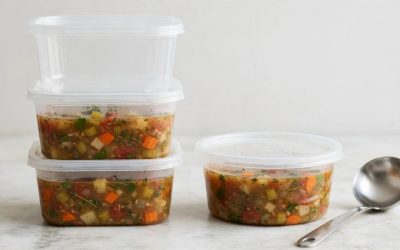
Soups and liquid-based meals can be excellent freezer staples, but their moisture content makes them more challenging to package using ordinary external vacuum sealers. Freezing liquids before sealing or using a compatible chamber sealer can prevent liquid from entering the suction mechanism.
Suitable liquids include:
-
Chicken and beef stock.
-
Vegetable broth.
-
Tomato sauce.
-
Chili.
-
Lentil soup.
-
Pasta sauces.
Cool prepared liquids safely in shallow containers and freeze them in manageable portions before transferring them into vacuum bags.
Cream-based soups may separate after thawing, so freezing the soup base and adding dairy during reheating can produce better results.
Prepared meals and casseroles
Homemade casseroles and complete meals offer considerable convenience for busy households that prefer preparing several dinners during one cooking session. Vacuum packaging can protect individual servings during frozen storage, provided ingredients are cooled safely and the finished meals tolerate freezing.
Suitable meals include lasagna, baked pasta dishes, enchiladas, meatloaf, bean chili, and cooked meat-based casseroles.
Divide meals into portions before freezing to avoid thawing more food than necessary.
Pre-freeze portions containing sauces or soft ingredients before vacuum sealing. Remove delicate toppings where appropriate and add them fresh during reheating.
Why vacuum sealing improves frozen food quality
Vacuum sealing provides an additional layer of protection against the environmental conditions that contribute to freezer burn and food deterioration. Its main advantage comes from limiting direct exposure to surrounding air rather than changing the fundamental safety requirements associated with frozen storage.
Reduced freezer burn and moisture loss
Freezer burn develops when moisture escapes from exposed food surfaces during storage, creating dry or discolored areas that can negatively affect texture. Vacuum packaging reduces the amount of surrounding air and helps maintain a protective barrier between the food and freezer environment.
This is particularly beneficial for expensive steaks, fish fillets, poultry, and foods intended for extended storage.
Freezer burn itself does not necessarily make continuously frozen food unsafe, but it can make the affected areas less enjoyable to eat.
Better portion control and freezer organization
Vacuum-sealed packages can make freezer organization more efficient by allowing food to be divided according to household meal requirements. Flattened packages of ground meat, sauces, and prepared ingredients generally occupy less irregular space than bulky containers or partially opened retail packaging.
Label packages with the food name, freezing date, portion size, and any preparation instructions.
Arrange older packages toward the front of the freezer so they are used before newer purchases.
Vacuum sealing cannot eliminate food waste by itself, but combining effective packaging with regular freezer inventory checks can help households avoid unnecessary purchases.
Foods that should not be vacuum sealed and frozen without preparation
Not every ingredient benefits from vacuum packaging and freezing. Some foods experience substantial texture deterioration because of their moisture content, cellular structure, or sensitivity to compression, while others require specific handling precautions to reduce the risks associated with reduced-oxygen storage.
| Food | Main problem | Better approach |
|---|---|---|
| Lettuce | Becomes limp and watery | Refrigerate and consume fresh |
| Cucumbers | Lose crisp texture | Use fresh or follow a freezer pickle recipe |
| Raw potatoes | Texture and color changes | Prepare using an appropriate freezing method |
| Whole eggs in shells | Shells may crack | Remove shells before freezing |
| Mayonnaise | May separate | Prepare fresh |
| Soft cheese | Texture deterioration | Refrigerate for short-term use |
| Fresh mushrooms | Quality and storage concerns | Cook or appropriately pretreat before freezing |
| Delicate bread | Compression damage | Pre-freeze or use freezer bags |
| Hot soup | Cooling and sealing problems | Cool safely and pre-freeze |
Vacuum sealing fresh garlic, mushrooms, or other moist ingredients does not make them safe for room-temperature storage. Reduced oxygen can favor the growth of certain dangerous microorganisms when temperature control is inadequate.
How to prepare the best foods to vacuum seal and freeze
Effective vacuum packaging begins with ingredient preparation rather than selecting the strongest suction setting. Proper portioning, moisture management, suitable packaging materials, and safe temperature control help maintain food quality while reducing seal failures and unnecessary waste.
Choose the correct vacuum sealing bags
Freezer-grade vacuum bags provide protection against moisture transfer and external air when properly sealed. However, different vacuum sealing machines require different bag designs, so selecting compatible packaging is essential for achieving consistent results without damaging the appliance or wasting materials.
External suction sealers generally require textured bags that allow air to escape through internal channels.
Chamber vacuum sealers typically support compatible smooth pouches because the surrounding chamber creates the pressure reduction.
Look for food-contact suitability, freezer compatibility, sufficient thickness, and heat-sealing compatibility when purchasing replacement bags.
Pre-freeze delicate and moisture-rich foods
Pre-freezing is particularly useful when packaging foods that could become crushed or release substantial moisture under vacuum pressure. Freezing these ingredients until firm makes them easier to handle and reduces the likelihood of liquids or food particles interfering with the heat-sealing area.
Foods that benefit from pre-freezing include berries, bread, ground meat, shrimp, soups, sauces, and soft prepared meals.
Arrange appropriately chilled ingredients in manageable portions, freeze until firm, and transfer them into compatible vacuum bags.
Avoid allowing frozen ingredients to thaw unnecessarily during packaging.
Inspect seals before placing food in the freezer
A vacuum bag can appear tightly compressed even when its sealing area contains a small defect. Inspecting the completed seam helps identify wrinkles, trapped food particles, moisture contamination, or punctures that could allow outside air to enter during extended freezer storage.
If the seal appears incomplete, use a clean section of the bag or transfer the food into another compatible pouch.
For bone-in meat, inspect the surrounding packaging for sharp protrusions.
Never assume that a tightly sealed package compensates for food that was mishandled before freezing.
Safe freezing and thawing practices
Vacuum packaging creates a reduced-oxygen environment, but it does not sterilize food or destroy microorganisms already present. Safe storage temperatures, appropriate handling, and correct thawing procedures remain essential, particularly for raw meat, seafood, dairy products, and cooked leftovers.
Maintain the correct freezer temperature
A household freezer should maintain a temperature of 0°F (-18°C) or below for reliable frozen food storage. An independent freezer thermometer is useful for confirming actual conditions because temperature fluctuations may occur during frequent door openings, power interruptions, or equipment problems.
Avoid overloading the freezer with large quantities of unfrozen food at once, which can slow freezing and temporarily affect surrounding packages.
Refrigerate perishable food within two hours, or within one hour when ambient temperatures exceed 90°F.
Thaw vacuum-sealed foods safely
Refrigerator thawing is generally the most convenient option for maintaining appropriate food temperatures during defrosting. Cold-water and microwave thawing can also be suitable under specific conditions, but foods thawed using faster methods may require immediate cooking afterward.
Never thaw perishable food on the kitchen countertop.
For vacuum-packaged fish, completely remove the reduced-oxygen packaging before refrigerator thawing to reduce botulism-related risks.
Place raw proteins in suitable containers to prevent leaking juices from contaminating other refrigerator contents.
Frequently asked questions
Many households use vacuum sealers to extend frozen food quality, but confusion remains about storage duration, refreezing, and whether removing air makes food safer. Understanding these distinctions can help users avoid unnecessary packaging expenses and potentially dangerous storage mistakes.
Does vacuum sealing make frozen food last longer?
Vacuum sealing can help maintain frozen food quality by reducing exposure to oxygen and limiting moisture loss. However, there is no universal shelf-life multiplier that applies to every food because results depend on packaging integrity, ingredient quality, freezer temperature, and preparation methods.
Use established freezer quality guidelines as a practical reference rather than assuming vacuum sealing automatically extends every recommended storage period.
Can you refreeze vacuum-sealed food after thawing?
Food thawed safely in the refrigerator can generally be refrozen if it has remained within appropriate temperature and storage limits. However, repeated freezing and thawing can reduce texture quality and increase moisture loss, particularly in seafood, meat, fruit, and prepared vegetables.
Food thawed using cold water or a microwave should generally be cooked before refreezing.
Conclusion
Choosing the best foods to vacuum seal and freeze can improve meal planning, reduce freezer burn, and preserve ingredient quality. Prioritize meat, seafood, vegetables, fruit, and prepared meals, while using suitable packaging, safe preparation methods, and consistent freezer temperatures for the best results.
More from Amazon
Programs that pair well with the guide above. Offers and eligibility are set by Amazon and may change.
Set up recurring deliveries of everyday items on eligible products. Terms and savings are set by Amazon.
Explore Subscribe & SaveCollect the home and kitchen items you want in one registry that guests can shop from.
Create a wedding registryFree shipping on eligible items, Prime Video and more. Eligible new members can start with a free trial.
Start a Prime free trialAudiobooks and podcasts to listen to on the go. Eligible new members can start with a free trial.
Try Audible freeAs an Amazon Associate we earn from qualifying purchases.