Key takeaways
- This beef stew relies on a few simple choices: well-marbled chuck, a deep brown sear, a low and slow braise in the oven.
This beef stew relies on a few simple choices: well-marbled chuck, a deep brown sear, a low and slow braise in the oven, and vegetables added at the right moment so they hold their shape. The result is a thick, glossy stew with beef that yields to a fork and a broth that tastes of roasted meat, tomato and herbs.
The recipe serves six and takes about three hours from start to finish, most of it unattended. Below are the ingredients, step-by-step instructions, ways to adjust it, and notes on storing and reheating leftovers.
Ingredients
For the Beef and Base
- 3 pounds beef chuck roast, trimmed and cut into 1.5-inch cubes
- 1 1/2 teaspoons kosher salt, plus more to taste
- 1 teaspoon black pepper
- 3 tablespoons all-purpose flour
- 3 tablespoons olive or neutral oil, divided
- 1 large yellow onion, diced
- 4 cloves garlic, minced
- 2 tablespoons tomato paste
- 1 cup dry red wine, or additional beef broth
- 4 cups low-sodium beef broth
- 2 tablespoons Worcestershire sauce
- 2 bay leaves
- 4 sprigs fresh thyme, or 1 teaspoon dried
For the Vegetables
- 4 carrots, peeled and cut into thick chunks
- 1 1/2 pounds baby potatoes, halved or quartered
- 2 celery stalks, sliced
- 1 cup frozen peas, added at the end
- 2 tablespoons chopped fresh parsley, for serving
Instructions
- Heat the oven to 325 F with a rack in the lower third. Pat the beef very dry with paper towels, which helps it brown instead of steam.
- Toss the cubes with the salt, pepper and flour until evenly coated.
- Heat 2 tablespoons of oil in a large Dutch oven over medium-high heat. Brown the beef in three batches, about 2 to 3 minutes per side, until a deep brown crust forms. Do not crowd the pot. Move each batch to a plate.
- Lower the heat to medium and add the remaining oil. Cook the onion and celery for 5 to 6 minutes until soft, then add the garlic and tomato paste. Stir for 1 to 2 minutes until the paste darkens.
- Pour in the wine and scrape up the browned bits from the bottom of the pot. Simmer for 3 to 4 minutes until reduced by about half.
- Return the beef and its juices to the pot. Add the broth, Worcestershire sauce, bay leaves and thyme. Bring to a gentle simmer.
- Cover and transfer to the oven. Braise for 1 hour 30 minutes.
- Stir in the carrots and potatoes, cover again and braise for another 45 to 60 minutes, until the beef is fork-tender and the vegetables are soft.
- Remove from the oven. Stir in the peas and let stand for 5 minutes. Discard the bay leaves and thyme stems.
- Taste and adjust the salt, adding a splash of vinegar or lemon juice if the stew tastes flat. Scatter with parsley and serve hot.
Why This Method Works
Chuck Is Built for Braising
Chuck roast has plenty of connective tissue, which breaks down into gelatin during long, gentle cooking. That gelatin gives the broth body and makes the meat silky. Lean cuts such as round or sirloin can turn dry and stringy in a stew.
Browning Builds Flavor
The brown crust on the beef and the darkened tomato paste create savory flavor compounds that cannot be matched by simply simmering. Working in batches keeps the pot hot enough for real browning.
Oven Heat Is Gentler Than the Stovetop
A covered pot in a 325 F oven surrounds the stew with even heat, so nothing scorches on the bottom. Stovetop braising works with a very low flame and occasional stirring, but the oven is more forgiving.
Staggered Vegetables
Adding carrots and potatoes in the second half keeps them tender but intact. Peas go in at the end for color and sweetness.
Prep Notes Before Starting
Buying a whole chuck roast and cutting it at home gives better results than packaged stew meat, which is often trimmed from several lean cuts that cook at different speeds. Cut the cubes slightly larger than bite size, about 1.5 inches, because they shrink during the braise. Trim away large pieces of hard fat, but leave the thin seams of connective tissue, since those melt into the sauce.
Take the beef out of the refrigerator about twenty minutes before searing so it browns more evenly, and salt it just before it hits the pan. If the Dutch oven is not oven-safe with its lid, a heavy roasting pan covered tightly with foil can do the job. Always keep the lid snug, because a loose lid lets liquid evaporate and leaves the top layer of meat dry.
Chop all vegetables before the first sear. Once browning begins, the pace is steady, and having carrots, onion and celery ready prevents the fond on the bottom of the pot from burning while waiting for the next step.
Tips and Variations
- Thicker stew: uncover for the last 20 minutes of baking, or mash a few potato pieces into the broth.
- Thinner stew: add a little extra broth, a quarter cup at a time.
- Mushroom boost: sauté 8 ounces of sliced mushrooms with the onions.
- Stovetop version: simmer over the lowest heat with the lid slightly ajar for about 2 hours, stirring now and then.
- Slow cooker: brown the beef and sauté the aromatics first, then cook on low for 8 hours with the vegetables added in the final 3 hours.
- Darker flavor: add a tablespoon of balsamic vinegar or a strip of orange zest.
Substitutions
- No wine: use more broth with a tablespoon of red wine vinegar for acidity.
- Gluten-free: skip the flour and thicken at the end with a slurry of cornstarch and cold water.
- Different roots: parsnips, turnips or rutabaga can replace some of the potatoes or carrots.
- Herb swaps: rosemary works in small amounts, but use a light hand because it is strong.
Storage and Reheating
Cool the stew and refrigerate it within two hours of cooking. Stored in a covered container, it keeps for three to four days. Beef stew often tastes better the next day, once flavors have blended.
To freeze, portion into airtight containers, leaving a little room for expansion. Frozen stew keeps well for up to three months, though potatoes can turn slightly grainy after thawing. Thaw overnight in the refrigerator.
Reheat on the stovetop over medium-low heat, stirring now and then, until it reaches 165 F throughout. Add a splash of broth or water if it has thickened too much.
Serving Ideas
- Crusty bread or warm dinner rolls for mopping up the broth
- Buttered egg noodles or mashed potatoes underneath in place of boiled potatoes
- A crisp green salad with a sharp vinaigrette
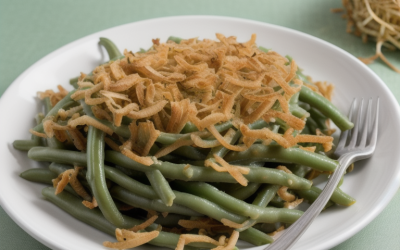
- Steamed green beans or roasted broccoli on the side
- A sprinkle of fresh parsley or chives for brightness
Beef stew is a good option for cold-weather gatherings, because it scales easily and stays hot in the pot or a slow cooker on warm. This recipe is general cooking information and does not make any claims about nutrition or health.
Related guides
- Non Stick Cookware For Induction Cooktop
- Cabinet Organisers For Kitchen
- Cookware For Induction Range
Frequently Asked Questions
What is the best cut of beef for stew?
Beef chuck is the standard choice because its fat and connective tissue break down during long cooking. Bottom round or brisket can work, but they need careful timing and may turn drier.
Why is stew meat still tough after cooking?
Tough meat usually means it needs more time, not less. Keep the liquid at a gentle simmer, cover the pot and cook another 20 to 30 minutes, then check again. Boiling hard can also toughen the meat.
Can beef stew be made without wine?
Yes. Replace the wine with extra beef broth and add a tablespoon of red wine vinegar or balsamic vinegar to keep the acidity balanced. The stew will still taste rich.
How do the vegetables avoid turning mushy?
Add them partway through the braise instead of at the start, and cut them into large pieces. Carrots and potatoes cut into thick chunks need about 45 to 60 minutes to become tender without falling apart.
FAQ
What is the best cut of beef for stew?
Why is stew meat still tough after cooking?
Can beef stew be made without wine?
How do the vegetables avoid turning mushy?
More from Amazon
Programs that pair well with the guide above. Offers and eligibility are set by Amazon and may change.
Set up recurring deliveries of everyday items on eligible products. Terms and savings are set by Amazon.
Explore Subscribe & SaveCollect the home and kitchen items you want in one registry that guests can shop from.
Create a wedding registryFree shipping on eligible items, Prime Video and more. Eligible new members can start with a free trial.
Start a Prime free trialAudiobooks and podcasts to listen to on the go. Eligible new members can start with a free trial.
Try Audible freeAs an Amazon Associate we earn from qualifying purchases.