
Best cutting board selection can transform everyday meal preparation from a tedious daily chore into a smooth culinary experience. Kitchen enthusiasts often struggle with dulling expensive knives or dealing with unstable prepping surfaces. Choosing a resilient worktop protects cutlery, reduces contamination, and elevates cooking efficiency.
How to Choose the Ideal Prep Surface
Selecting the right kitchen tool requires balancing durability, size, and maintenance to match your personal cooking habits. Home cooks frequently encounter flimsy plastic mats that warp or heavy wooden blocks that absorb moisture easily. Understanding structural material properties helps you find a durable board for safe food preparation.
Material Durability and Hardness
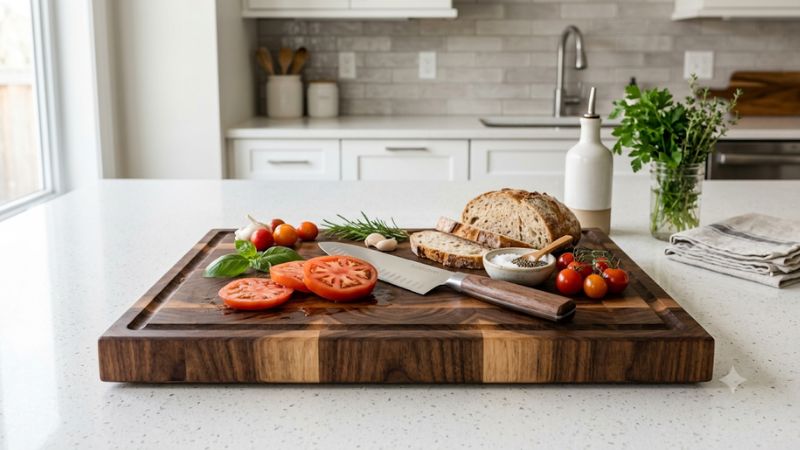
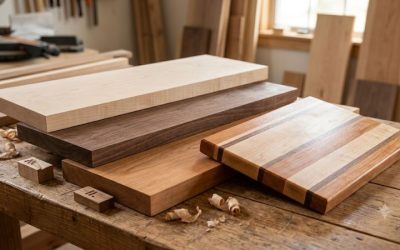
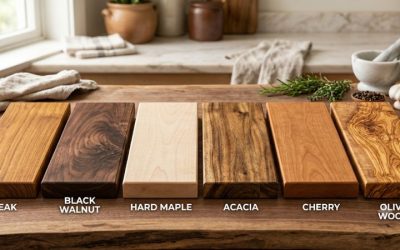
Hardwood species like maple, walnut, and teak offer outstanding resilience while protecting sharp knife edges during heavy chopping tasks. These natural materials self-heal minor knife scores, preventing dangerous bacteria from multiplying deep inside crevices. Investing in dense organic timber ensures your surface lasts for many decades.
Plastic and composite alternatives provide lightweight convenience and simple dishwasher cleaning for busy household environments. However, soft plastic surfaces show deep cut grooves quickly, requiring frequent sanitation or early replacement. Choosing durable materials guarantees better hygiene and reliable performance over years of daily usage.
Surface Dimensions and Thickness
Finding the best cutting board requires matching physical dimensions to your counter space and daily food prep volume. Large prep surfaces accommodate whole roasts and multiple chopped vegetables without overcrowding your workstation. Selecting generous dimensions prevents food spills and speeds up daily meal prep routines efficiently.
Thicker boards resist warping caused by ambient moisture shifts and heavy cleaver impacts during heavy butcher tasks. A sturdy two-inch profile adds substantial stability, stopping unwanted movement while you slice tough roots or poultry. Proper height also enhances ergonomics, reducing wrist strain throughout lengthy cooking sessions.
Knife Preservation Features
Preserving sharp cutlery edges depends heavily on the surface softness of your chosen kitchen slicing block. End-grain wood construction aligns timber fibers vertically, allowing sharp blades to slip between fibers without dulling prematurely. This unique orientation preserves edge sharpness and extends the overall life of fine knives.
Avoid extremely hard surfaces like granite, glass, or marble, which instantly dull steel blades upon direct impact. Soft woods and specialized rubber compounds absorb cutting forces gently, protecting fine Japanese and German cutlery. Choosing gentle surface textures minimizes frequent sharpening sessions and keeps blades in top shape.
Sanitation and Groove Design
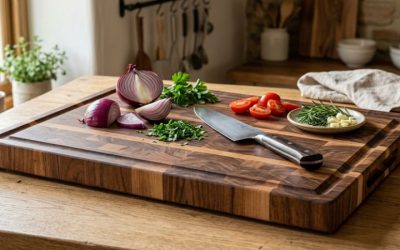
Managing liquid runoff while carving juicy meats or fresh fruit keeps your kitchen countertops clean and hygienic. Deep outer perimeter channels trap rogue juices before they spill onto clean kitchen counters during busy cooking sessions. Integrated perimeter channels simplify cleaning up messy liquids after prepping juicy roasted meats.
Non-porous surfaces prevent raw meat juices and strong food odors from soaking deep into inner material layers. Regular oil treatments for timber models build a natural protective barrier against moisture invasion and bacteria growth. Effective sanitation routines maintain safe meal preparation standards for your entire household everyday.
Top Picks for Every Home Chef
Finding the best cutting board involves comparing material strength, maintenance demands, and overall culinary versatility. Our detailed evaluation covers top market options ranging from heirloom wooden blocks to dishwasher safe synthetic mats. The right selection elevates your kitchen efficiency while protecting your cutlery collection.
| Model Name | Primary Material | Key Advantage | Best Suited For | | John Boos Block Maple | Maple Hardwood | End-Grain Edge Care | Professional Chefs | | OXO Good Grips Utility | Polypropylene | Non-Slip Dishwasher Safe | Casual Home Cooks | | Epicurean Gourmet Series | Wood Fiber | Heat Resistant Composite | Modern Minimalists | | Sonder Los Angeles Teak | Edge-Grain Teak | Deep Juice Groove | Everyday Meat Carving |
John Boos Block Maple Wood Cutting Board
This heirloom quality maple block serves passionate home cooks who prioritize knife protection and classic kitchen style. The ultra-thick construction features end-grain construction that absorbs heavy chopping impacts without showing wear. Slicing on this best cutting board preserves fine knife edges while providing steady prep stability.
While this massive wooden slab offers exceptional durability, it demands hand washing and regular mineral oil conditioning. It weighs significantly more than synthetic boards, making quick sink rinsing somewhat cumbersome for quick tasks. However, its unrivaled longevity and classic aesthetic justify the added maintenance effort required.
OXO Good Grips Utility Cutting Board
Ideal for busy households needing quick prep solutions, this non-porous plastic board offers hassle-free maintenance. Non-slip rubber feet grip countertops securely, preventing hazardous sliding during fast slicing and dicing tasks. Its double-sided design allows separate prep zones for raw proteins and fresh produce to avoid contamination.
The lightweight plastic build cleans effortlessly inside standard dishwashers, making post-dinner cleanup fast and convenient. On the downside, heavy knife strikes create micro-grooves over time that require thorough scrubbing or eventual replacement. It remains an affordable, practical choice for casual cooks prioritizing ease of use daily.
Epicurean Gourmet Series Cutting Board
Designed for modern kitchens seeking sleek functionality, this composite paper prep surface resists high heat and stains. The dense construction prevents bacteria absorption while remaining thin enough for compact vertical storage in small cabinets. It combines the warm feel of wood with the maintenance-free ease of dishwasher-safe materials.
This versatile surface withstands temperatures up to 350 degrees, doubling as a convenient trivet for hot cookware. However, the extra dense surface feels firmer under sharp knives than soft timber, producing a louder chopping sound. It suits style-conscious cooks wanting a durable best cutting board that cleans in the dishwasher easily.
Sonder Los Angeles Thick Teak Cutting Board
Crafted from sustainably sourced edge-grain teak, this board caters to meat lovers who slice juicy roasts frequently. Teak wood contains high natural oil content, making it exceptionally resistant to moisture absorption and organic warping. Built-in side handles allow comfortable carrying from countertop to dinner table during family gatherings.
A spacious outer perimeter groove catches up to two ounces of liquid, keeping your counters spotless while carving. While teak requires initial seasoning, it needs less frequent oiling than traditional maple or walnut surfaces. It offers a stunning blend of rustic natural beauty and functional juice management for daily meal preparation.
Frequently Asked Questions
Choosing the best cutting board often raises questions regarding material safety, proper sanitation, and routine care. Addressing these common concerns ensures your chosen prep surface remains safe, hygienic, and functional for years. Here are essential answers to guide your daily kitchen maintenance and purchasing decisions effectively.
What Is the Safest Material for Food Prep?
Both hardwood and high-density plastic offer safe surfaces when cleaned and maintained according to proper kitchen standards. Wood surfaces possess natural antimicrobial properties that pull bacteria inside where organisms die naturally as wood dries. Plastic surfaces excel at preventing liquid absorption, allowing thorough high-temperature sanitation.
To maximize food safety, home cooks should designate separate boards for raw meat and fresh produce prep tasks. Using color-coded plastic boards or dedicated wooden surfaces stops cross-contamination between different ingredient groups. Regular visual inspection helps identify deep scores that require sanding or immediate surface replacement.
How Often Should Wood Boards Be Oiled?
Maintaining a wood surface requires applying food-grade mineral oil once a month or whenever the timber looks dry. Regular oiling saturates wood fibers, blocking water penetration that causes swelling, cracking, and surface warping over time. A properly oiled surface repels liquids and preserves natural wood color during daily usage.
When choosing conditioning products for your best cutting board, avoid vegetable oils like olive or canola that turn rancid. Food-safe mineral oil or beeswax creams form a durable protective barrier without spoiling or imparting off flavors. Simple monthly maintenance keeps natural timber supple, smooth, and beautiful across decades of prep.
Can Plastic Boards Be Dishwashed Safely?
High-density plastic mats and polypropylene boards handle the high heat cycles of residential dishwashers without damage. Heat sanitation kills surface bacteria quickly, offering thorough cleaning after preparing raw poultry or seafood. Placing plastic items on the top dishwasher rack prevents thermal bending caused by bottom heating elements.
In contrast, solid wood and composite timber boards must never enter a dishwasher due to extreme heat exposure. Soaking wooden blocks in hot water causes severe warping, glue joint failure, and permanent fiber destruction. Hand washing wood with mild dish soap and warm water ensures long-term structural integrity and appearance.
How to Prevent Warping and Deep Scratches?
Preventing surface warping starts with drying your board upright in an open area with balanced airflow on both sides. Storing wet boards flat traps moisture underneath, forcing wood fibers to expand unevenly and twist out of shape. Elevating your board during drying guarantees uniform moisture evaporation across all outer wood surfaces.
Deep knife scratches on wooden surfaces can be repaired easily by sanding the timber with fine sandpaper. Sanding removes damaged top fibers, restoring a smooth prep surface that accepts fresh mineral oil treatments easily. Regular maintenance prevents deep grooves from harboring unwanted food residue or moisture pockets over time.
Final Thoughts
Investing in the best cutting board enhances meal prep efficiency while protecting your fine kitchen cutlery. Consider your cooking style, maintenance preferences, and storage space before making a final purchasing choice today. A high-quality prep board becomes a trusted culinary partner that elevates every home cooking experience.
Write Your Review
No reviews yet. Be the first to share your experience!