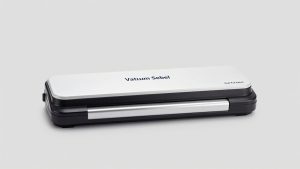
Choosing a vacuum sealer for freeze dried food requires more than comparing suction power. Reliable heat seals, moisture-resistant packaging, and adjustable vacuum settings help protect delicate ingredients during storage. For long-term preservation, Mylar bags with oxygen absorbers and a compatible impulse sealer are often preferable.
Why choosing the right vacuum sealer for freeze dried food matters
Freeze-dried ingredients are highly susceptible to moisture absorption because their porous structure readily attracts humidity from the surrounding environment. An appropriate packaging system helps protect food texture, flavor, and storage quality while reducing unnecessary exposure to oxygen and environmental contaminants.
Unlike ordinary frozen foods, freeze-dried ingredients do not necessarily require continuous freezer storage when properly processed and packaged. However, maintaining sufficiently dry conditions is essential for safe storage.
The right sealing equipment can help:
-
Reduce exposure to atmospheric oxygen.
-
Protect ingredients from environmental moisture.
-
Maintain the texture of delicate freeze-dried foods.
-
Organize individual meal portions.
-
Reduce unnecessary packaging waste.
-
Protect food during transportation.
-
Support appropriate long-term storage.
A strong vacuum alone does not guarantee successful preservation. Bag permeability, seal integrity, residual food moisture, storage temperature, and ingredient composition are equally important.
For most households, the appropriate equipment depends on how long the food will be stored and whether preserving its original shape is a priority.
Which type of sealer is best for freeze-dried food?
Several types of sealing equipment can be used for freeze-dried food, but their capabilities differ considerably. External vacuum sealers offer everyday versatility, chamber machines provide greater packaging control, and impulse heat sealers are particularly useful for compatible long-term storage pouches.
| Sealer type | Best application | Main advantage | Main limitation |
|---|---|---|---|
| External vacuum sealer | Everyday food packaging | Affordable and versatile | May crush delicate food |
| Chamber vacuum sealer | Frequent batch packaging | Adjustable vacuum control | Larger and more expensive |
| Impulse heat sealer | Long-term Mylar storage | Seals compatible barrier bags | Does not extract air |
| Mason jar vacuum sealer | Dry pantry organization | Reusable rigid containers | Bulky storage format |
| Handheld vacuum sealer | Frequently accessed snacks | Portable operation | Dedicated valve bags required |
External vacuum sealers for everyday storage
External vacuum sealers remove air through the open end of a compatible bag before creating a heat seal. Their relatively compact construction makes them attractive to households that package freeze-dried ingredients alongside ordinary meats, vegetables, and prepared freezer meals.
These machines generally require textured vacuum bags that allow air to travel toward the suction channel.
An external sealer is particularly useful for:
-
Individual snack portions.
-
Backpacking meal preparation.
-
Frequently rotated pantry ingredients.
-
Freeze-dried vegetables.
-
Ordinary household food preservation.
Models with adjustable suction or pulse operation are preferable when packaging fragile ingredients.
However, standard textured vacuum bags should not automatically be considered suitable for multiyear storage. Their moisture and oxygen barrier properties may differ substantially from specialized laminated food storage pouches.
Chamber vacuum sealers for frequent packaging
Chamber vacuum sealers remove air from an enclosed environment rather than pulling it exclusively through an exposed bag opening. Their adjustable operating parameters can provide greater control when preparing multiple food packages, although chamber dimensions restrict the maximum package size.
A chamber machine may be worth considering if you operate a home freeze dryer frequently or prepare numerous food portions during each packaging session.
Potential advantages include:
-
Adjustable vacuum duration on suitable models.
-
Compatibility with smooth chamber pouches.
-
Convenient repeated packaging.
-
Greater control over extraction.
-
Flexible applications beyond freeze-dried foods.
Nevertheless, chamber machines can still crush delicate ingredients when excessive vacuum pressure is applied.
Compatibility with thick laminated Mylar bags must also be confirmed separately. A chamber sealer designed for ordinary plastic pouches may not provide the required heat-sealing conditions for every barrier material.
Impulse heat sealers for long-term Mylar packaging
Impulse heat sealers bond compatible packaging materials through controlled heating without mechanically extracting air. When combined with suitable high-barrier Mylar bags and correctly selected oxygen absorbers, these machines provide a practical packaging approach for properly freeze-dried ingredients intended for extended storage.
This method is especially attractive for households building emergency food supplies or preserving seasonal harvests.
The main advantages include:
-
Compatibility with suitable laminated barrier pouches.
-
No direct vacuum compression of fragile ingredients.
-
Straightforward operation.
-
Relatively compact equipment.
-
Adjustable heating on many models.
Unlike a vacuum sealer, an impulse sealer does not remove atmospheric air from the package. An appropriately sized oxygen absorber performs a separate function by reducing available oxygen after the pouch is sealed.
For long-term freeze-dried food storage, this combination is often more appropriate than using ordinary vacuum-sealed plastic bags.
Mason jar vacuum sealers for pantry organization
Mason jar vacuum sealers provide a reusable storage alternative for suitable dry ingredients that are regularly accessed. Their rigid glass containers help protect delicate freeze-dried foods from compression, making them particularly useful for fragile fruit pieces, powders, and lightweight snacks.
A jar sealing system may be suitable for:
-
Freeze-dried strawberries.
-
Fruit powders.
-
Freeze-dried herbs.
-
Vegetable flakes.
-
Fragile snack pieces.
-
Small quantities of dry ingredients.
The main disadvantages are container weight, breakability, and additional storage requirements.
Glass jars also require protection from light when preserving light-sensitive ingredients.
Vacuum sealing a Mason jar is not equivalent to canning and must never be used to make moist or perishable foods shelf-stable.
Essential features to look for in a vacuum sealer
The most useful features for freeze-dried food packaging involve controlling compression, maintaining reliable closures, and supporting appropriate storage materials. Paying extra for advanced marinating programs or liquid-handling functions may offer little benefit if the appliance is primarily intended for dry ingredients.
Adjustable suction and manual pulse control
Freeze-dried foods often develop a lightweight, porous structure that can break under excessive compression. Adjustable vacuum pressure and manual pulse operation allow users to control how tightly the packaging conforms around the ingredients, helping preserve their original appearance and texture.
Pulse control is particularly useful when packaging:
-
Freeze-dried strawberries.
-
Apple slices.
-
Raspberries.
-
Freeze-dried candy.
-
Fragile vegetables.
-
Lightweight prepared meals.
Instead of allowing the machine to complete its strongest automatic extraction cycle, users can stop when the packaging reaches an appropriate level of compression.
For extremely delicate ingredients intended for long-term storage, a suitable barrier pouch with an oxygen absorber and heat seal may be preferable to mechanical vacuum extraction.
Heat-sealing strength and adjustable temperature
Seal integrity directly affects the ability of a package to protect freeze-dried ingredients from environmental humidity. A weak or incomplete closure can allow moisture to enter the package, undermining preservation quality regardless of how thoroughly the food was originally processed.
When comparing sealing equipment, consider:
-
Supported packaging materials.
-
Heating element width.
-
Adjustable sealing duration.
-
Independent seal-only operation.
-
Optional double-sealing capability.
-
Availability of replacement heating elements.
Thicker laminated pouches may require different sealing conditions from ordinary polyethylene vacuum bags.
Adjustable heat or sealing duration is therefore valuable when working with several packaging materials.
Always follow the pouch manufacturer’s recommended sealing requirements.
Sealing bar width and package dimensions
The usable sealing width determines how large a bag opening can be accommodated by the machine. This specification becomes particularly important when packaging freeze-dried meals in gallon-sized pouches or preparing larger quantities of ingredients for family storage and emergency supplies.
A narrow sealing bar may be sufficient for individual snacks but unsuitable for larger storage packages.
Before purchasing, compare:
-
Maximum supported bag width.
-
Dimensions of your preferred Mylar pouches.
-
Typical meal portion sizes.
-
Available countertop space.
-
Chamber dimensions, if applicable.
For example, purchasing a large-capacity pouch offers little practical benefit if its opening exceeds the machine’s usable sealing length.
Check the actual heating element dimensions rather than relying on the overall appliance width.
Continuous sealing and cooling requirements
Households that operate a freeze dryer regularly may need to package dozens of individual portions during a single session. Machines requiring frequent cooling intervals can slow this process and leave unpackaged ingredients exposed to environmental humidity for longer than necessary.
Look for documented information concerning:
-
Recommended intervals between sealing cycles.
-
Thermal protection systems.
-
Maximum continuous operation.
-
Cooling requirements.
-
Maintenance procedures.
Do not exceed the appliance manufacturer’s operating limits.
If your freeze dryer produces large batches, an appropriate impulse sealer may provide a simpler dedicated packaging solution than a household vacuum machine.
Preparing bags, labels, and oxygen absorbers before unloading the freeze dryer also helps streamline the process.
Choosing suitable bags and packaging materials
Packaging material is just as important as the sealing appliance because freeze-dried ingredients require protection from both atmospheric oxygen and environmental moisture. Different bag constructions provide different barrier properties, making it essential to select packaging according to the intended storage duration.
Mylar bags for extended storage
Food-grade laminated Mylar bags are commonly used for long-term freeze-dried food storage because suitable multilayer constructions provide protection against light, oxygen, and moisture. Their performance depends on the specific laminate, seal quality, and resistance to physical damage during handling.
When purchasing Mylar bags, evaluate:
-
Food-contact suitability.
-
Material thickness.
-
Moisture barrier properties.
-
Oxygen barrier properties.
-
Heat-sealing requirements.
-
Puncture resistance.
-
Available package sizes.
Thicker bags may provide greater resistance to physical damage, but thickness alone does not establish superior barrier performance.
Choose packaging specifically designed for long-term dry food preservation rather than selecting bags solely according to their appearance or advertised thickness.
Textured vacuum bags for shorter storage periods
Conventional textured vacuum bags are convenient for external sealing machines because their embossed surfaces create pathways for air extraction. They are useful for everyday packaging, although their barrier properties may not provide the same protection as specialized laminated long-term storage pouches.
These bags are particularly practical for ingredients intended for relatively frequent consumption.
Examples include:
-
Backpacking meals for upcoming trips.
-
Freeze-dried fruit snacks.
-
Individually portioned vegetables.
-
Ingredients used regularly in cooking.
Before relying on conventional vacuum bags for extended storage, check their documented moisture and oxygen transmission properties.
Do not assume that freezer-safe or sous vide-compatible packaging automatically meets long-term freeze-dried food storage requirements.
Do you need oxygen absorbers with vacuum-sealed food?
Oxygen absorbers remove available oxygen through a chemical process rather than mechanically extracting the surrounding atmosphere. They serve an important role in appropriate long-term dry food packaging, particularly when used with sufficiently dried ingredients inside compatible high-barrier storage containers.
Vacuum sealing removes much of the surrounding air but may leave residual oxygen.
For long-term Mylar storage, choose oxygen absorbers according to the packaging manufacturer’s guidance and the amount of available air inside the package.
Important precautions include:
-
Use food-grade oxygen absorbers.
-
Select an appropriate absorption capacity.
-
Minimize unnecessary exposure before packaging.
-
Never consume the absorber packets.
-
Use them only with appropriately dried foods and suitable packaging.
-
Do not use oxygen absorbers to make moist or perishable foods shelf-stable.
Oxygen absorbers and desiccants perform different functions. An oxygen absorber does not remove enough food moisture to make an incompletely dried product safe for storage.
Recommended vacuum sealers and packaging equipment
Several established appliances provide useful features for packaging freeze-dried ingredients, although their compatibility with specialized storage materials varies. The following examples illustrate different equipment categories rather than claiming that every machine has undergone dedicated freeze-dried food performance testing.
| Equipment | Best application | Important feature |
|---|---|---|
| NESCO VS-12 Deluxe | Multipurpose vacuum packaging | Pulse and Gentle settings |
| Anova Precision Vacuum Sealer Pro | Delicate ingredients and meal preparation | Manual pulse and double sealing |
| Harvest Right Impulse Sealer | Compatible Mylar pouches | Dedicated heat sealing |
NESCO VS-12 Deluxe Vacuum Sealer
The NESCO VS-12 Deluxe provides flexible operating controls for households that package both conventional foods and delicate freeze-dried ingredients. Its manual pulse function, Gentle pressure setting, and multiple sealing options make it particularly interesting for buyers seeking a multipurpose countertop appliance.
Key advantages:
-
Normal and Gentle vacuum settings.
-
Manual pulse control.
-
Dry, Moist, and Double sealing options.
-
Integrated bag storage and cutter.
-
Independent sealing functionality.
The VS-12 is a reasonable choice when conventional vacuum packaging represents a significant part of your kitchen routine.
However, its compatibility with ordinary vacuum sealing bags does not establish compatibility with every laminated Mylar pouch.
Confirm the required sealing material and temperature before purchasing it specifically for long-term freeze-dried food storage.
Anova Precision Vacuum Sealer Pro
The Anova Precision Vacuum Sealer Pro combines manual extraction control with double heat seals and integrated bag preparation. Its flexible operating design makes it worth considering for users who frequently prepare conventional food packages alongside smaller quantities of delicate freeze-dried ingredients.
Key advantages:
-
Manual pulse vacuum control.
-
Double heat-sealing system.
-
Integrated bag preparation.
-
Dedicated seal-only function.
-
Convenient countertop operation.
Independent vacuum sealer evaluations have identified adjustable extraction and double sealing as useful features for fragile foods and conventional food preservation.
The Anova Pro is particularly attractive for buyers who also cook sous vide.
As with the NESCO, confirm specialized pouch compatibility separately before attempting to use thick, smooth Mylar bags.
Harvest Right Impulse Heat Sealer
The Harvest Right Impulse Heat Sealer is a particularly relevant equipment option for users who primarily want to package properly freeze-dried ingredients inside compatible Mylar bags. Its dedicated heat-sealing approach avoids the mechanical compression associated with traditional vacuum extraction.
Key advantages:
-
Designed for compatible Mylar packaging.
-
Straightforward heat-sealing operation.
-
Preserves delicate food shapes.
-
Suitable for oxygen absorber-based storage systems.
-
Does not require textured vacuum bags.
Unlike the NESCO and Anova appliances, this machine does not actively remove air.
That distinction makes it less versatile for conventional vacuum packaging but particularly useful when preparing appropriate high-barrier pouches for extended freeze-dried food storage.
How to package freeze-dried food correctly
Successful packaging begins with thoroughly processed ingredients and suitable storage materials. Preparing the sealing equipment before removing food from the freeze dryer helps reduce unnecessary exposure to environmental humidity, particularly in kitchens where moisture levels may change throughout the day.
Using a vacuum sealer for freeze dried food without crushing it
Fragile freeze-dried ingredients can lose their original shape when subjected to aggressive air extraction. Selecting an appropriate bag, distributing ingredients evenly, and controlling the vacuum cycle helps reduce unnecessary compression while maintaining a suitable closure for the intended storage application.
Follow these general steps:
-
Confirm that the food has been thoroughly freeze-dried.
-
Select compatible moisture-barrier packaging.
-
Place ingredients loosely inside the bag.
-
Leave sufficient space above the contents.
-
Select Gentle or Pulse mode when available.
-
Stop extraction before excessive compression occurs.
-
Complete the heat seal.
-
Inspect the package for punctures and incomplete closures.
-
Label and store it appropriately.
For highly fragile products, use a compatible rigid container or an appropriate impulse-sealed barrier pouch instead.
Sealing Mylar bags with oxygen absorbers
Mylar packaging requires careful preparation because residual food moisture, incorrect absorber capacity, or incomplete heat seals can undermine storage quality. An appropriate impulse sealer provides a convenient method for closing compatible barrier pouches without crushing their delicate contents.
Prepare the bags and correctly sized oxygen absorbers before unloading the freeze dryer.
Fill each pouch with thoroughly dried ingredients, add the appropriate absorber, and promptly heat-seal the opening according to the packaging manufacturer’s instructions.
Inspect the completed closure for wrinkles, gaps, and trapped food particles.
Label each package with its contents and preparation date.
Store the sealed pouches in a cool, dry, dark location protected from pests and physical damage.
Common buying mistakes to avoid
Many purchasing mistakes occur when buyers concentrate on vacuum strength while overlooking packaging compatibility and the specific requirements of freeze-dried ingredients. Selecting equipment according to actual storage needs helps prevent unnecessary spending and reduces the likelihood of unsuitable food packaging.
| Buying mistake | Potential consequence | Better approach |
|---|---|---|
| Choosing the strongest suction | Crushed ingredients | Prioritize adjustable extraction |
| Assuming all bags are compatible | Failed seals | Verify material compatibility |
| Buying a narrow sealer | Restricted package sizes | Measure bag openings |
| Using ordinary bags for extended storage | Moisture penetration | Choose suitable high-barrier pouches |
| Ignoring residual food moisture | Spoilage and safety concerns | Confirm complete drying |
| Confusing vacuum sealing with sterilization | Unsafe storage practices | Follow established preservation guidance |
The most expensive appliance is not necessarily the best choice.
A dedicated heat sealer may deliver greater practical value than a sophisticated vacuum machine when long-term Mylar packaging is your primary objective.
Frequently asked questions
Freeze-dried food preservation involves several considerations beyond purchasing a vacuum sealing appliance. Understanding moisture control, packaging compatibility, and storage limitations helps households make informed equipment decisions without relying on exaggerated preservation claims or unsupported shelf-life guarantees.
Can you vacuum-seal freeze-dried food in regular FoodSaver bags?
Compatible FoodSaver bags can be useful for packaging freeze-dried ingredients intended for everyday consumption. However, their suitability for extended storage depends on their documented moisture and oxygen barrier properties rather than simply their compatibility with an external vacuum sealing appliance.
For long-term emergency food supplies, consider appropriate laminated barrier pouches with oxygen absorbers and a compatible heat sealer.
How long does vacuum-sealed freeze-dried food last?
Storage life depends on residual moisture, ingredient composition, packaging materials, oxygen exposure, and environmental temperature. Although commercial freeze-dried foods may advertise extended shelf lives under specified conditions, those claims cannot automatically be applied to every home-processed and vacuum-sealed ingredient.
There is limited long-term research validating universal storage periods for home freeze-dried foods.
Avoid relying on a blanket 25-year guarantee.
Does vacuum sealing make freeze-dried food safe?
Vacuum sealing does not destroy microorganisms or correct incomplete freeze-drying. Food must be prepared hygienically, thoroughly dried, appropriately packaged, and stored under suitable conditions before reduced-oxygen packaging can form part of a responsible food preservation process.
Do not vacuum-seal incompletely dried foods for room-temperature storage.
Follow established food preservation recommendations and the freeze dryer’s operating instructions.
Conclusion
Choose an adjustable external vacuum sealer for everyday freeze-dried food packaging or a compatible impulse sealer with Mylar bags and oxygen absorbers for extended storage. Prioritize moisture protection, reliable closures, complete drying, and appropriate storage conditions over maximum suction power.
More from Amazon
Programs that pair well with the guide above. Offers and eligibility are set by Amazon and may change.
Set up recurring deliveries of everyday items on eligible products. Terms and savings are set by Amazon.
Explore Subscribe & SaveCollect the home and kitchen items you want in one registry that guests can shop from.
Create a wedding registryFree shipping on eligible items, Prime Video and more. Eligible new members can start with a free trial.
Start a Prime free trialAudiobooks and podcasts to listen to on the go. Eligible new members can start with a free trial.
Try Audible freeAs an Amazon Associate we earn from qualifying purchases.